on this page
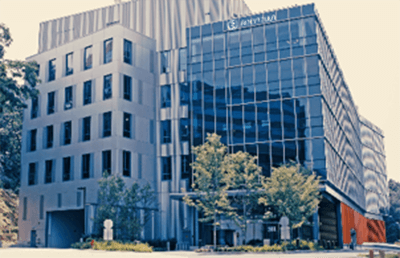
Since 2014, Biocytogen has operated three animal centers located in Nantong (Jiangsu, P.R. China), Daxing (Beijing, P.R. China), and Boston (USA) under the brand “BioMice” Our ultimate goal is to provide superior support to global customers in their scientific research and new drug discovery using our innovative genetically engineered animal models, such as humanized mouse models and custom gene knock-in mouse models.
By implementing strict, scientific, and standardized operating procedures, along with a highly efficient facility management system, our animal centers meet—or even exceed—the highest standards for critical quality control testing to detect microbial contamination. Through innovative animal models, a high-standard quality control program, and tailored services, Biocytogen's animal centers have made significant contributions to supporting and accelerating the growth of the global biopharmaceutical industry.
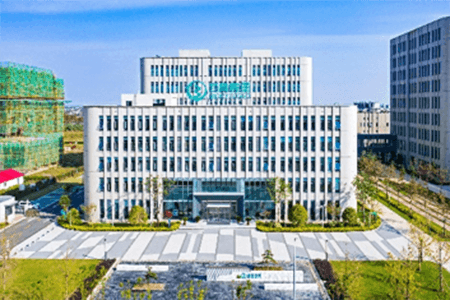
Biocytogen Beijing Animal Center is a strategic resource hub of Biocytogen for the translation from gene-editing animal model generation to new drug discovery and development, with 30,000 cages and the 12,000 m2 animal facility. The center offers a wide spectrum of supports for new animal model generation and R&D services, including the establishment and colony expansion for the gene-edited animals, in vivo drug efficacy test and screening, and animal immunization for antibody discovery, etc.
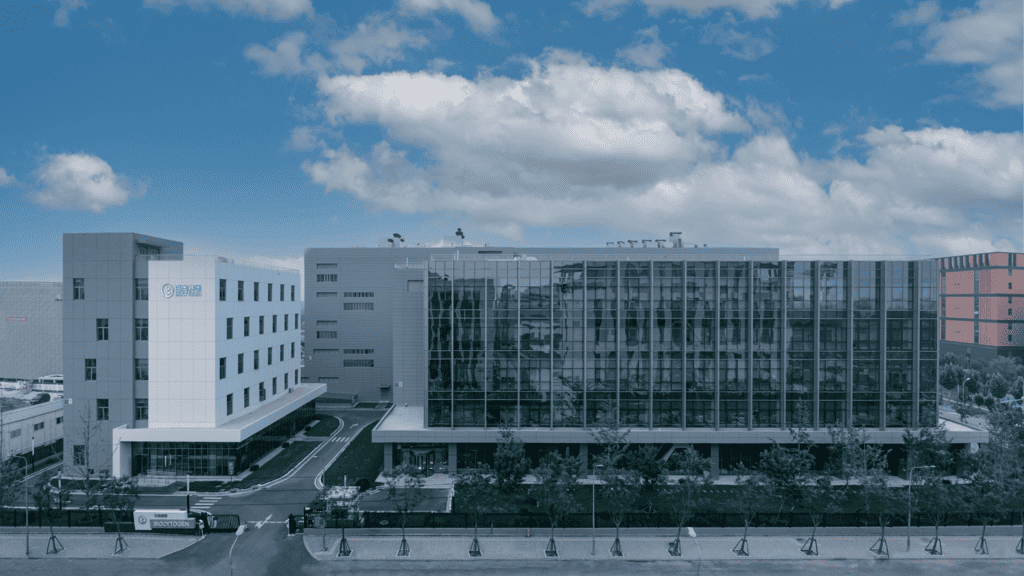
It is also the core center to promote Biocytogen's “RenSuper Biologics”, which is an open and collaborative project to develop antibody hits for thousands of potential drug targets through targeted genetic disruption of RenMab mice, together with global partners to achieve the goal of developing new drugs through innovation in technology and ideas.
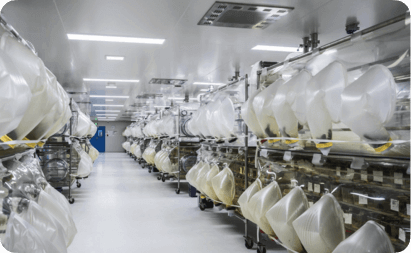
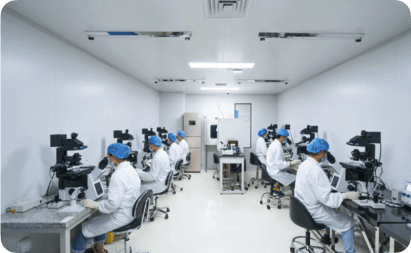
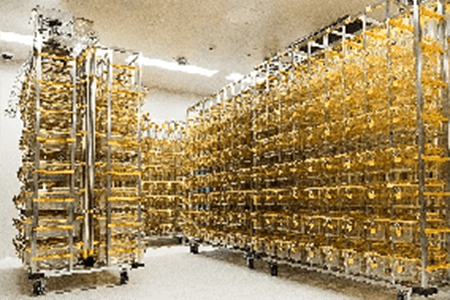
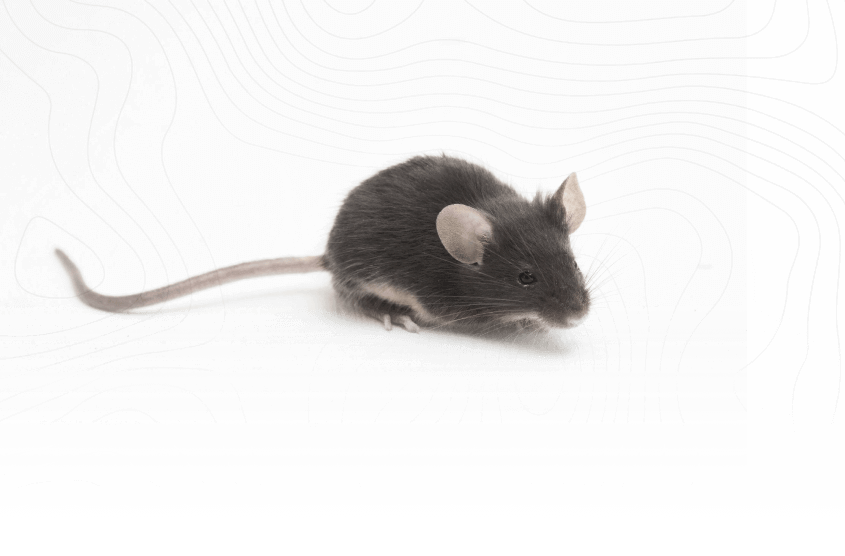
Biocytogen Animal Center is an SPF facility with 150,000 cages, which can breed inbred and outbred laboratory rats and mice. Using Biocytogen's gene editing and IVF technology platforms, the Animal Center can also provide more complex and efficient breeding schemes to meet the needs of client for Breeding and Colony Management, allowing for the successful propagation of some endangered strains caused by aging, infertility and so on.
| Requirement | Delivery Standard | Estimated Time |
|
|
Depending on the project |
| Requirement | Delivery Standard | Estimated Time |
|
|
Depending on the project |
For details, please contact
In addition to offering proprietary gene editing animal models, Biocytogen Animal Center may provide embryo/sperm cryopreservation services for mouse models used infrequently.
By storing in two separate facilities equipped with liquid nitrogen storage tanks, Biocytogen can avoid the risk of backed-up animal models conservation loss. The temperature and liquid nitrogen volume in the tank are checked weekly to guarantee the adequate liquid nitrogen for cryopreserved rat and mouse embryos/sperm.
1. Sperm cryopreservation
Sperm cryopreservation is a safe and cost-effective way for single gene mutation and inbred strain, particularly gene-editing animal models. The fertilization rate of warmed cryopreserved C57BL/6 mice sperm is above 40% or even higher at Animal Center.
2. Embryo cryopreservation
Cryopreservation of mouse and rat embryos is ideal for multiple gene mutation strains with distinct genetic backgrounds, since the strain genotype remains constant after warming. Embryos of gene-edited rat and mouse models can be cryopreserved quickly through superovulation in vitro fertilization or natural mating, oviduct flushing, etc. Thus, embryo cryopreservation for fertile mice and rats helps minimize the costs of maintaining colonies while limiting genetic drift.
3.Transport of cryopreserved rat and mouse embryos/sperm
Cryopreserved rat and mouse embryos/sperm may be kept in liquid nitrogen for transit up to 21-day. Each dry liquid nitrogen tank is fitted with a data logger that can continuously record the temperature and guarantee proper temperature control throughout the shipping. Additionally, we propose splitting each batch into two shipments to eliminate the possibility of shipping failure due to unforeseen delays or damage.
| Requirement | Delivery Standard | Estimated Time |
|
|
6–8 weeks |
| Requirement | Delivery Standard | Estimated Time |
|
|
6–8 weeks |
Rats and mice used in scientific study may get infected with pathogens from the environment, such as bacteria, viruses, and parasites, for a variety of causes, resulting in decreased cleanliness and abnormalities in the animal colonies. Biocytogen Animal Center has built an embryonic biotechnology platform that assists in the rederivation of a mouse/rat colony to SPF or even higher grade conditions via in vitro fertilization (IVF) and embryo transfer, while keeping them health status by housing them in a safe barrier or isolation environment.
| Requirement | Delivery Standard | Estimated Time |
|
|
8–10 weeks |
The three major animal centers of Biocytogen always adhere to a unified standard of microbial quality, thanks to the robust detection capabilities of Biocytogen's microbial self-testing platform, which has developed a variety of microbial detection methods, such as isolation and cultivation, PCR, ELISA, and microscopy, for bacteriology, serology, and parasitology of laboratory animals, with a detection capacity of up to 65 projects, ensuring that all external testing requirements specified by customers are met; at the same time, the platform has established systematic methods for genetic typing, SNP typing, and genetic background detection. By conducting daily monitoring of microorganisms, genetic background, and environment for laboratory animals, the platform provides solid assurance for the health of laboratory animals, the safety of experimental personnel, and the quality of research products.
| English name | Detection mode | ||
| Pathogen | pathogenic demal fungi | PCR | |
| Candidatus Arthronitus | Culture | PCR | |
| Bac ilus cereus | Culture | PCR | |
| Bordetella bronchiseptica | Culture | PCR | |
| Yers inia pseudotuberculosis | Culture | PCR | |
| Streptobacilus monilfommis | Culture | PCR | |
| Yers inia pseudotuberculosis | Culture | PCR | |
| Yers inia pseudotuberculosis | Culture | PCR | |
| Yers inia enterrocolitica | Culture | PCR | |
| group Bstreptococcus pyogens (GBS) | Culture | PCR | |
| group A streptococcus pyogens (GAS) | Culture | PCR | |
| Corynebacterium kutscheri | Culture | PCR | |
| Streptococcus pneumoniae | Culture | PCR | |
| Esherichiacoli 0157 | Culture | PCR | |
| Pas teurella multocidla | Culture | PCR | |
| Salmonella spp. | Culture | PCR | |
| Klebs iella pneumoniae | Culture | PCR | |
| Klebs iella pneumoniae | Culture | PCR | |
| Proteus mirab ilis | Culture | PCR | |
| Staphy lococcus aureus | Culture | PCR | |
| Pseudomoncs aeruginosa | Culture | PCR | |
| IHeirobater spp. | PCR | ||
| Parasite | Candidatus Arthronitus | ELISA | |
| Bac ilus cereus | ELISA | ||
| Bordetella bronchiseptica | ELISA | ||
| Yers inia pseudotuberculosis | Microscopic examination | ||
| Streptobacilus monilfommis | Microscopic examination | ELISA | |
| Yers inia pseudotuberculosis | Microscopic examination | ||
| Yers inia enterrocolitica | Microscopic examination | ||
| group Bstreptococcus pyogens (GBS) | Microscopic examination | ||
| group A streptococcus pyogens (GAS) | Microscopic examination | ||
| virus | Bac ilus cereus | ELISA | PCR |
| Candidatus Arthronitus | ELISA | PCR | |
| Bac ilus cereus | ELISA | PCR | |
| Bordetella bronchiseptica | ELISA | ||
| Yers inia pseudotuberculosis | ELISA | ||
| Streptobacilus monilfommis | ELISA | PCR | |
| Yers inia pseudotuberculosis | ELISA | PCR | |
| Yers inia enterrocolitica | ELISA | PCR | |
| group Bstreptococcus pyogens (GBS) | ELISA | ||
| group A streptococcus pyogens (GAS) | ELISA | ||
| pathogenic demal fungi | ELISA | ||
| Candidatus Arthronitus | ELISA | ||
| Bac ilus cereus | ELISA | PCR | |
| Bordetella bronchiseptica | ELISA | ||
| Yers inia pseudotuberculosis | ELISA | ||
| Streptobacilus monilfommis | ELISA | PCR | |
| Yers inia pseudotuberculosis | ELISA | PCR | |
| Yers inia enterrocolitica | ELISA | PCR | |
| group Bstreptococcus pyogens (GBS) | ELISA | PCR | |
| group A streptococcus pyogens (GAS) | ELISA | PCR | |
| Other | Culture | ||
| Culture | |||
| Culture | |||
| Culture | |||
| Culture | |||
| Culture |
Relying on Biocytogen's years of experience in the construction and usage of animal facilities, we provide high-quality operational consulting services focused on animal facility design, purification engineering construction consulting, hardware debugging, and hardware maintenance.
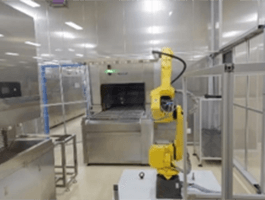
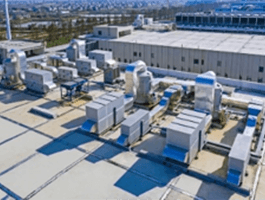
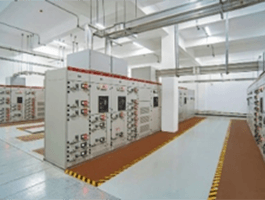
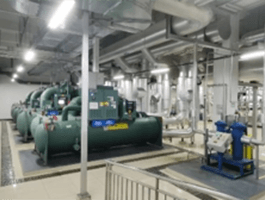
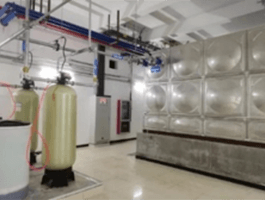
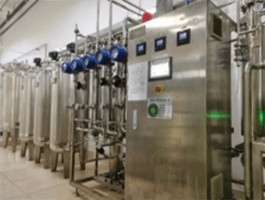
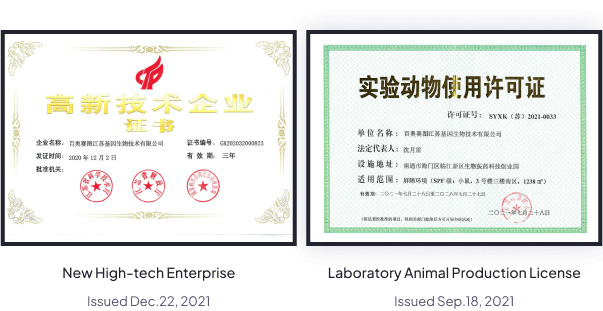
Animal Center has always adhered to the rigorous, scientific, standardized and unified standard operating procedures, supporting the advanced, high standard and strict requirements of the laboratory animal management system, has obtained the Jiangsu Province laboratory animal production, use license, import and export qualification, and has passed the AAALAC full certification for three consecutive times since 2016.