Oncology

Syngeneic Models

Biocytogen has developed a comprehensive portfolio of humanized mouse models targeting single, dual, or multiple immune-related pathways. Syngeneic mouse models derived from these humanized mice, enable researchers to evaluate therapeutic efficacy within intact immune systems, providing robust in vivo platforms that deliver valuable insights for preclinical immuno-oncology research.
Syngeneic Models

on this page

  • Syngeneic Mouse Model
  • Gene Humanized Mouse Models
  • TAA-humanized Cell Lines

Publication

    Syngeneic Mouse Model

    Syngeneic models, in which tumors are transplanted into immunocompetent mice of the same genetic background, enable researchers to study tumor–immune interactions and assess immunotherapies within a fully functional immune system. These syngeneic mouse models offer a physiologically relevant in vivo platform for evaluating immune responses, drug efficacy, and combination therapy strategies, preserving natural immune–tumor dynamics and supporting preclinical immuno-oncology research.

    Gene Humanized Mouse Models

    By replacing mouse homologous proteins with human proteins, gene humanized mouse models overcome cross-reactivity limitations and enable the evaluation of human or humanized antibody drugs in efficacy studies, reducing dependence on surrogate antibodies and enhancing the translational relevance of preclinical research. Compared with human immune reconstitution models in immunodeficient mice, these target humanized mouse models offer greater cost-effectiveness and more consistent experimental outcomes.

    Biocytogen has developed a wide range of humanized mouse models targeting single, dual, or multiple immune-related pathways to meet the growing demand for innovative drug development. Furthermore, based on potential mechanisms of drug action, we have established corresponding humanized tumor cell lines, providing more comprehensive and translationally relevant in vivo models for efficacy evaluation.

    View specific case studies in humanized CD40 mice below.
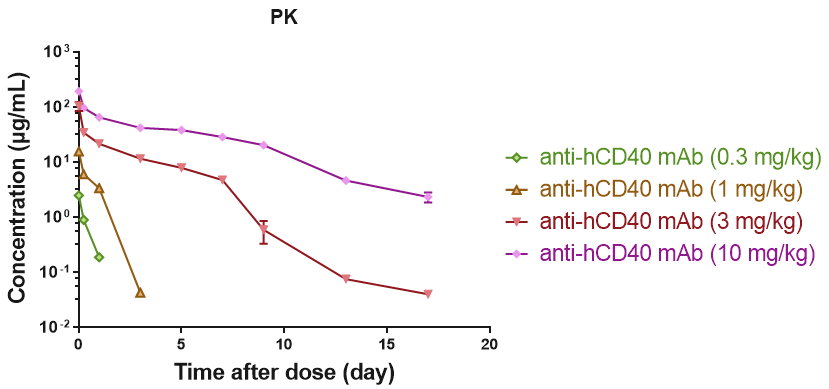
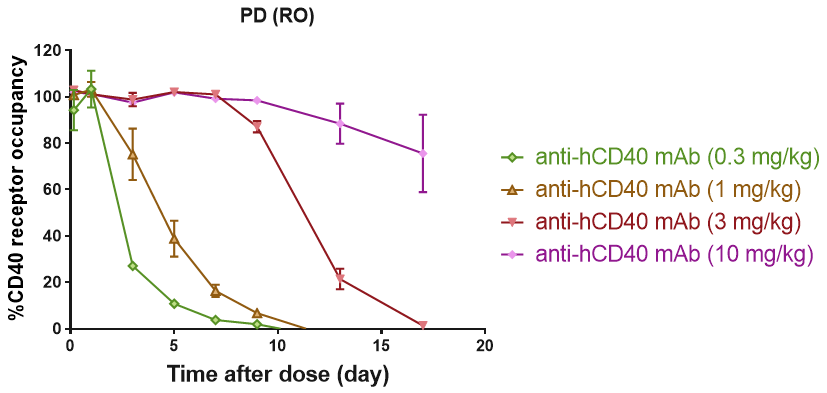
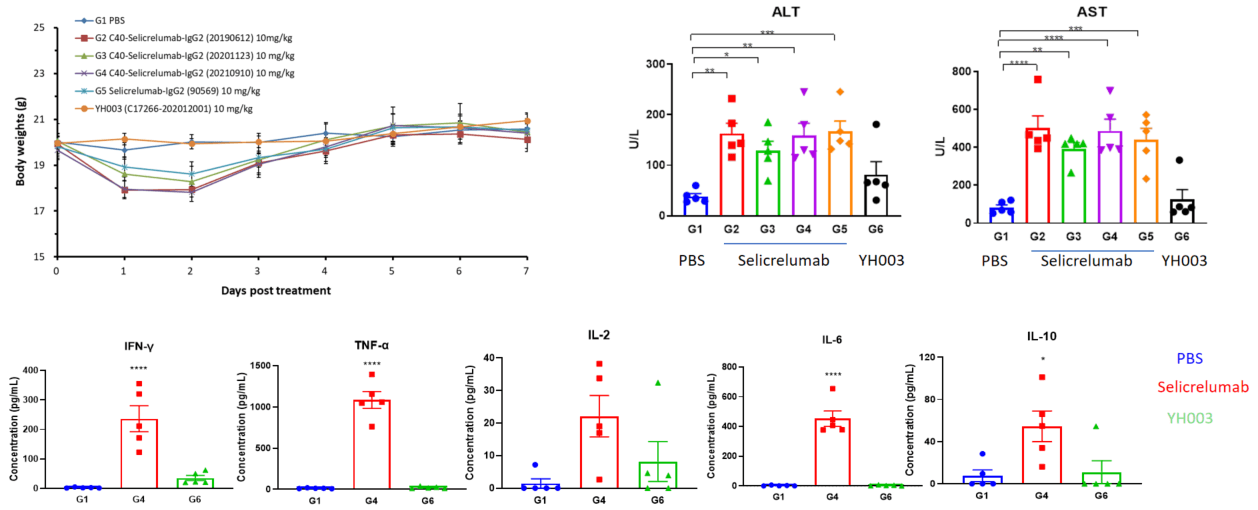
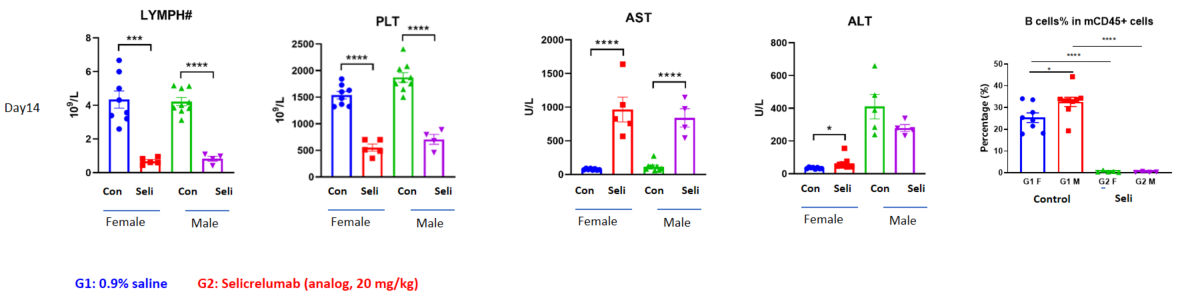
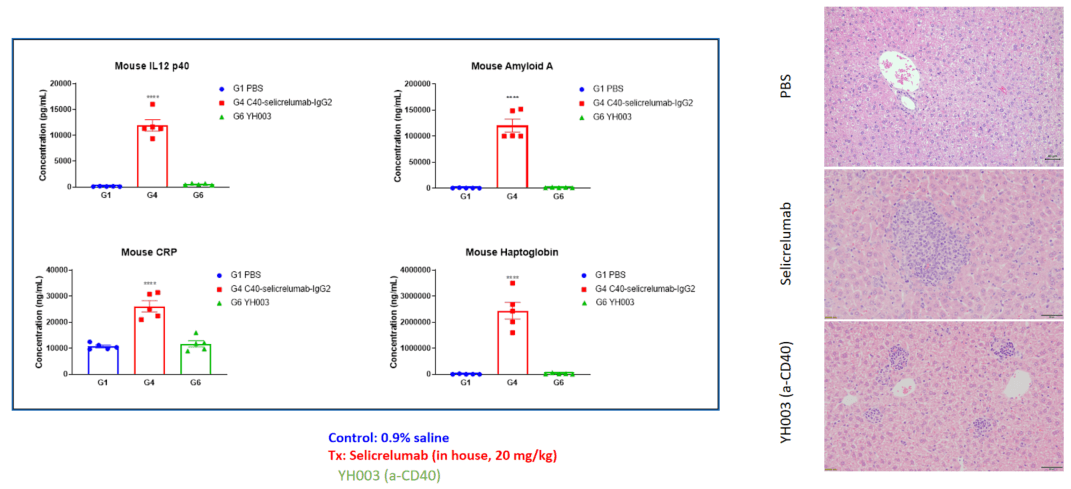
    B-hCD40 mice show anti-tumor efficacy and safety concerns of anti-CD40 antibody
    Single therapy
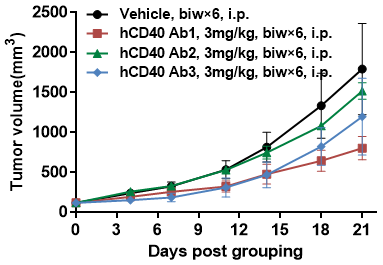
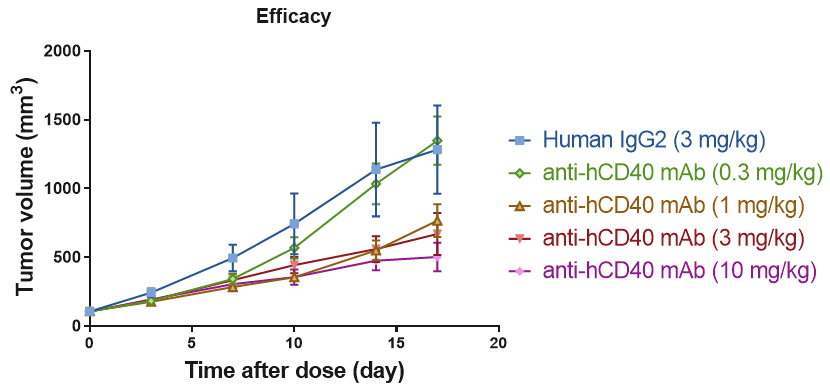
    Single therapy

    Antitumor activity of anti-human CD40 antibodies in B-hCD40 mice.
    Combination therapy
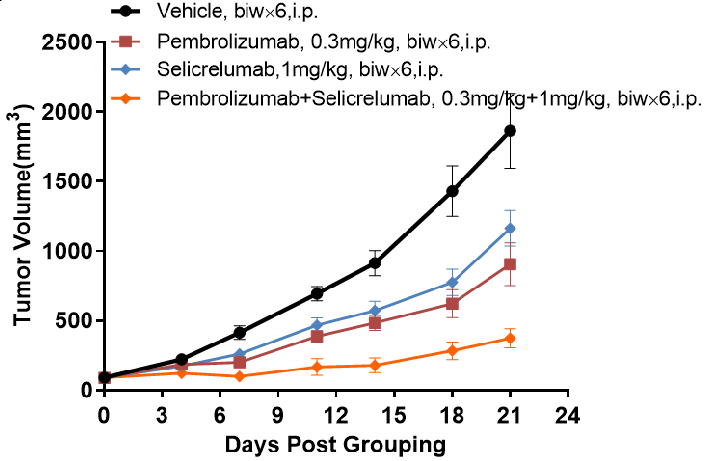
    Combination therapy

    Antitumor activity of Pembrolizumab and Selicrelumab in B-hPD-1/hPD-L1/hCD40 mice.
    TAA-humanized Cell Lines
    Tumor-associated antigens (TAAs) are antigenic molecules uniquely or highly expressed on tumor cells but absent—or expressed at low levels—in normal tissues. These molecules play crucial roles in tumor proliferation, differentiation, and metastasis, making them key therapeutic targets for anti-tumor drug development. TAA-directed drugs can induce tumor cell killing through antibody-dependent cell-mediated cytotoxicity (ADCC), complement-dependent cytotoxicity (CDC), and activation of immune responses.
    To support in vivo efficacy testing of such therapeutics, Biocytogen has established a comprehensive panel of TAA-humanized cell lines—murine tumor cell lines in which the endogenous mouse gene is replaced with its human counterpart. When these humanized tumor cells are inoculated subcutaneously or orthotopically into wild-type mice of the same genetic background, they generate syngeneic mouse models that preserve immune integrity and enable accurate evaluation of drug efficacy in an immunocompetent environment.
    To meet the growing demand for TAA-targeted drug development, Biocytogen provides both TAA-humanized cell lines and corresponding humanized syngeneic mouse models for preclinical efficacy evaluation. These platforms help bridge the gap between in vitro screening and in vivo therapeutic validation, supporting translational oncology research.
    Because some TAA targets are also expressed in normal tissues where they perform essential physiological functions, drugs directed against these targets may cause on-target/off-tumor toxicities. To address this, Biocytogen also offers humanized animal models for drug safety and toxicity evaluation, ensuring a more comprehensive and translationally relevant preclinical assessment.