Autoimmune and Inflammatory Disease

Systemic Lupus Erythematosus (SLE) Mouse Models

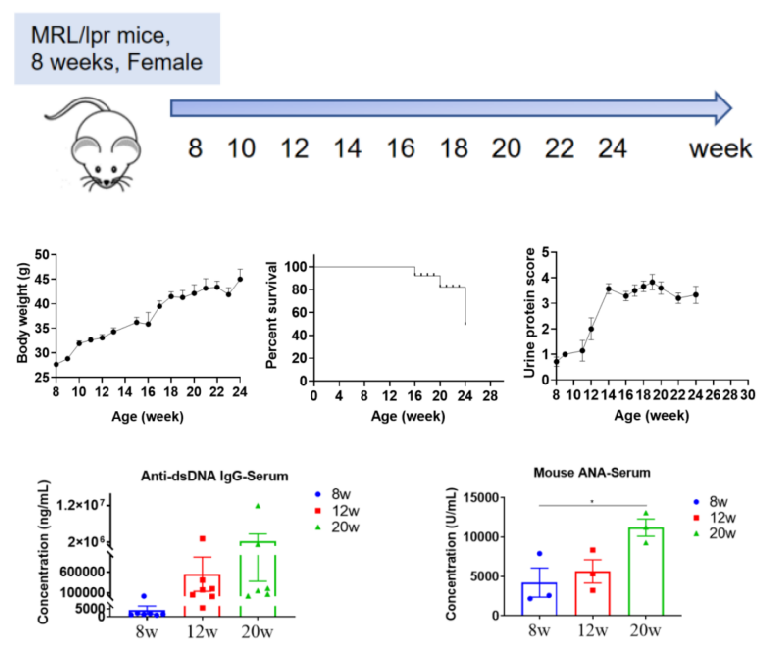
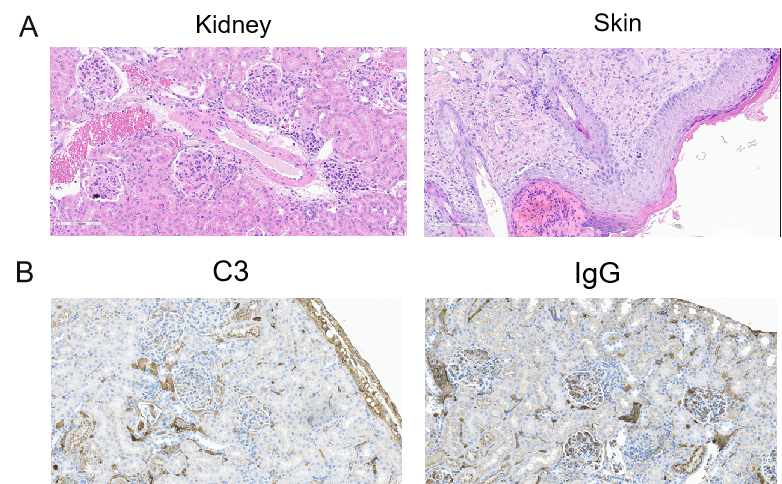
Biocytogen's systemic lupus erythematosus (SLE) models, including pristane-induced and MRL/lpr spontaneous lupus mouse models, are robust in vivo systems for preclinical SLE research and drug efficacy evaluation. With over 900 human target knock in mouse models covering SLE-related pathways, Biocytogen provides comprehensive tools for lupus disease modeling, therapeutic testing, and immunotherapy development.
Systemic Lupus Erythematosus

on this page

  • Systemic Lupus Erythematosus (SLE) Mouse Model
  • Pristane-Induced Systemic Lupus Erythematosus (SLE) Mouse Model
  • Balb/c mice
  • B-hCD40 mice
  • Spontaneous Systemic Lupus Erythematosus (SLE) Mouse Model
  • MRL/lpr mice
  • Our Services for Nephropathy Model

Related Resources

    Systemic Lupus Erythematosus (SLE) Mouse Model
    Systemic lupus erythematosus (SLE) is a chronic autoimmune disease characterized by immune dysregulation, excessive inflammatory cytokine production, and autoantibody-mediated tissue damage affecting multiple organs, including the heart, joints, skin, lungs, kidneys, and nervous system. This complex immune pathology makes SLE mouse models essential tools for preclinical lupus research and therapeutic evaluation.
    Pristane, also known as 2,6,10,14-tetramethylpentadecane (TMPD), can induce lupus-like autoimmunity in mice by triggering a wide range of autoantibodies, chronic inflammation, and rheumatoid-like arthritis, closely resembling human systemic lupus erythematosus.
    Biocytogen provides both pristane-induced lupus mouse models and MRL/lpr spontaneous SLE mouse models for pharmacological assessment, drug efficacy studies, and autoimmune disease mechanism research. Additionally, Biocytogen has developed over 900 human target knock-in (KI) mouse models covering SLE-related targets, offering powerful tools for immunotherapy development, target validation, and preclinical SLE drug testing.
    Pristane-Induced Systemic Lupus Erythematosus (SLE) Mouse Model
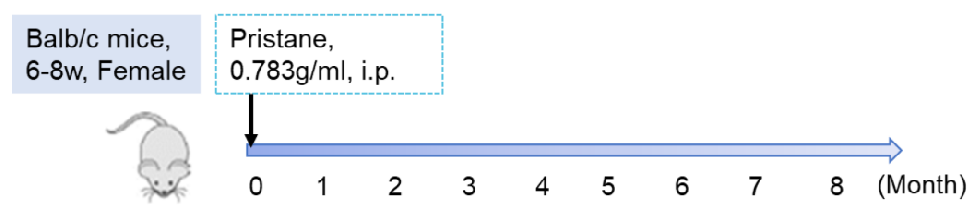
    Establishment of Pristane-Induced SLE Mouse Model in Balb/c Mice
    Establishment of Pristane-Induced SLE Mouse Model in Balb/c Mice
    Tissue Sample Evaluation Index
    Urine Urine protein/
    Serum Anti-ds DNA antibody
    Blood biochemical index UREA
    CREA
    Pathological detection PAS staining
    H&E staining
    Establishment of Pristane-Induced SLE Mouse Model in Balb/c Mice 2
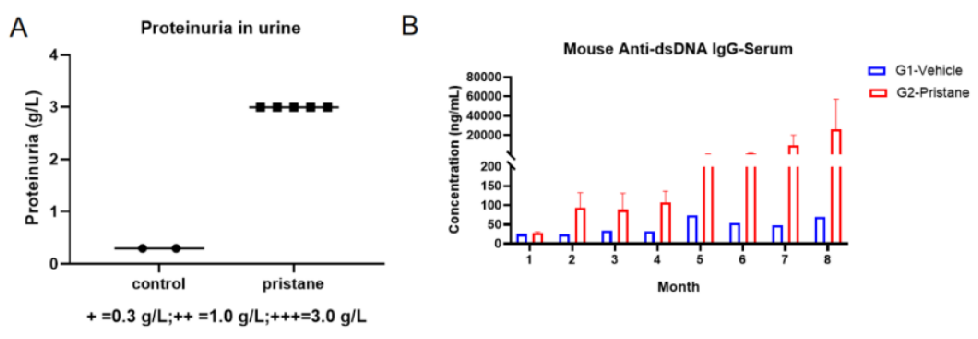
    Establishment of pristane-induced SLE mouse model in Balb/c mice. Content of proteinuria in urine (A) and mouse anti-dsDNA IgG in serum (B) were elevated after treatment with pristane.
    Establishment of Pristane-Induced SLE Mouse Model in CD40 Humanized Mice (B-hCD40 Mice)
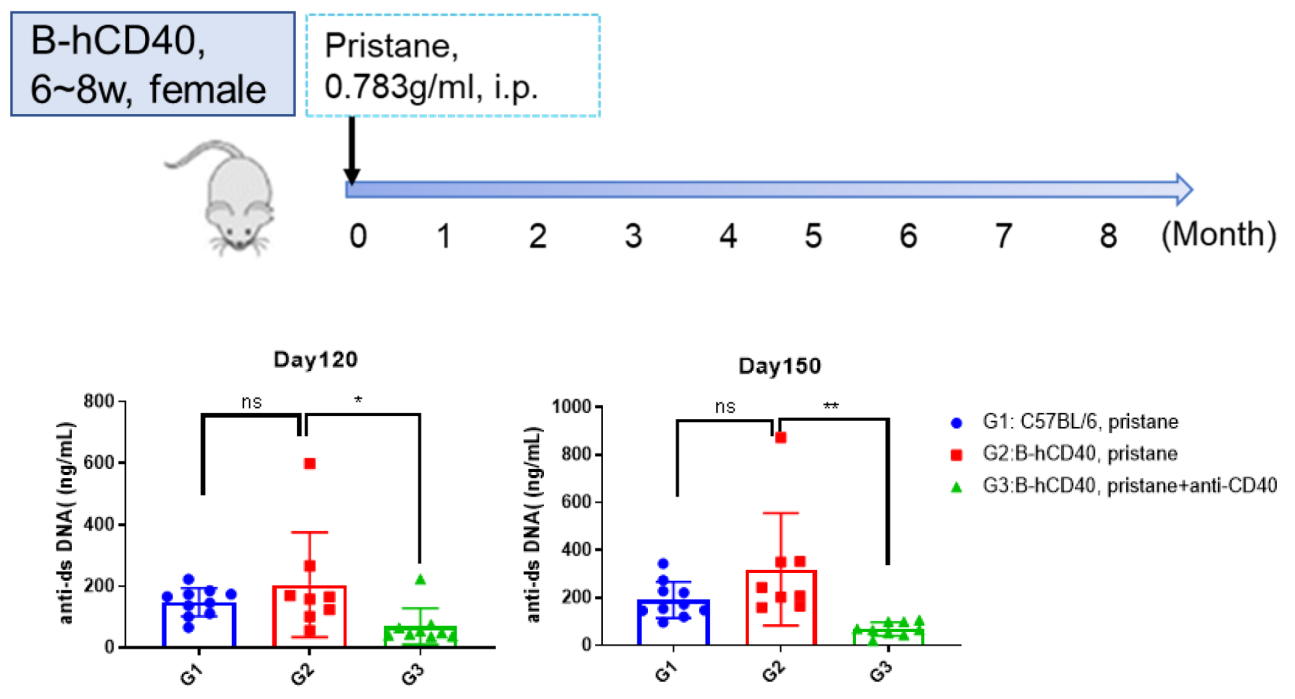
    Establishment of Pristane-Induced SLE Mouse Model in CD40 Humanized Mice
    Establishment of Pristane-Induced SLE Mouse Model in B-hCD40 Mice. Content of mouse anti-dsDNA IgG in serum was decreased after treatment with anti-CD40 antibody in pristane-induced SLE B-hCD40 Mouse Model.