
on this page
Obesity is a chronic disease that results from an imbalance of endogenous and environmental exposures, such as basal metabolic rate, energy expenditure, and food intake. Of note, excessive caloric intake and energy-dense meals are the leading causes of obesity. Surrogate animal models have been developed to study obesity-related complications. At Biocytogen, we have developed a high-fat diet-induced mouse model, which consists of 60 kcal%, to study pathophysiological changes associated with diabetes.
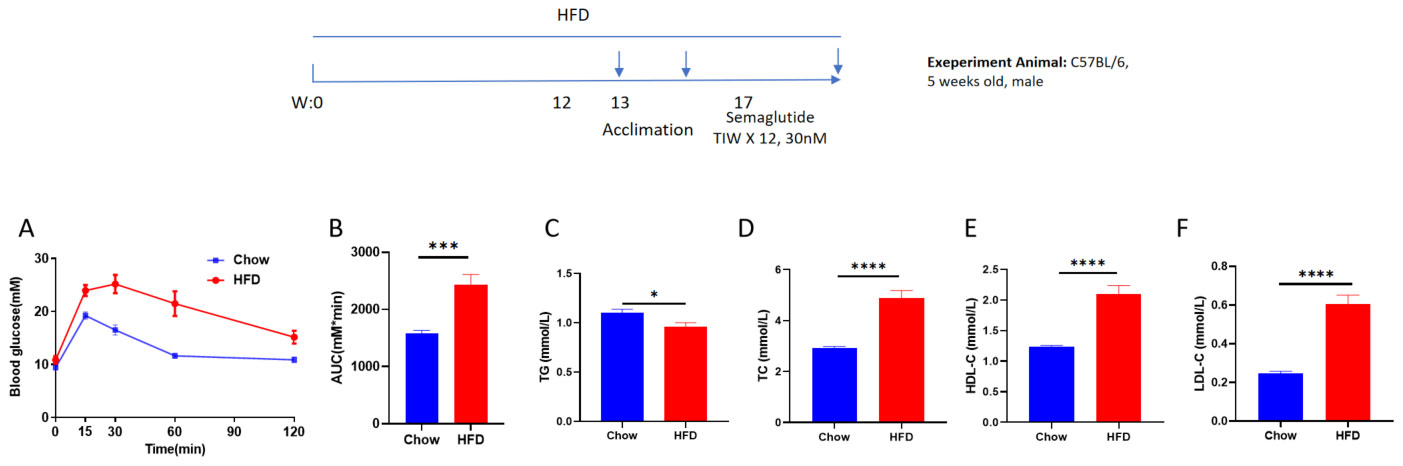
Characters of High-Fat Diet-Induced Obese (DIO) Mouse Model. A, Glucose tolerance ability after HFD induction. B, Area under curve of A. C-F, Blood biochemical analysis after HFD induction. Data are expressed as mean ± SEM. N = 10 mice per group. *p<0.05, **p<0.01,***p<0.001 ,****p<0.0001.
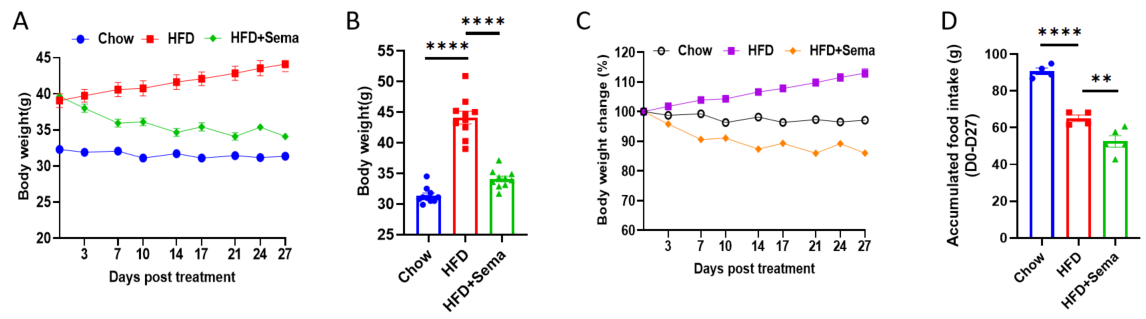
Efficacy study of semaglutide in HFD induced mouse model. A-C, Body weight change and terminal bodyweight after Semaglutide treatment. D, Accumulated food intake during treatment. DIO mice were grouped when body weight reached to about 40 g. N = 10 mice per group. *p<0.05, **p<0.01,***p<0.001 ,****p<0.0001.
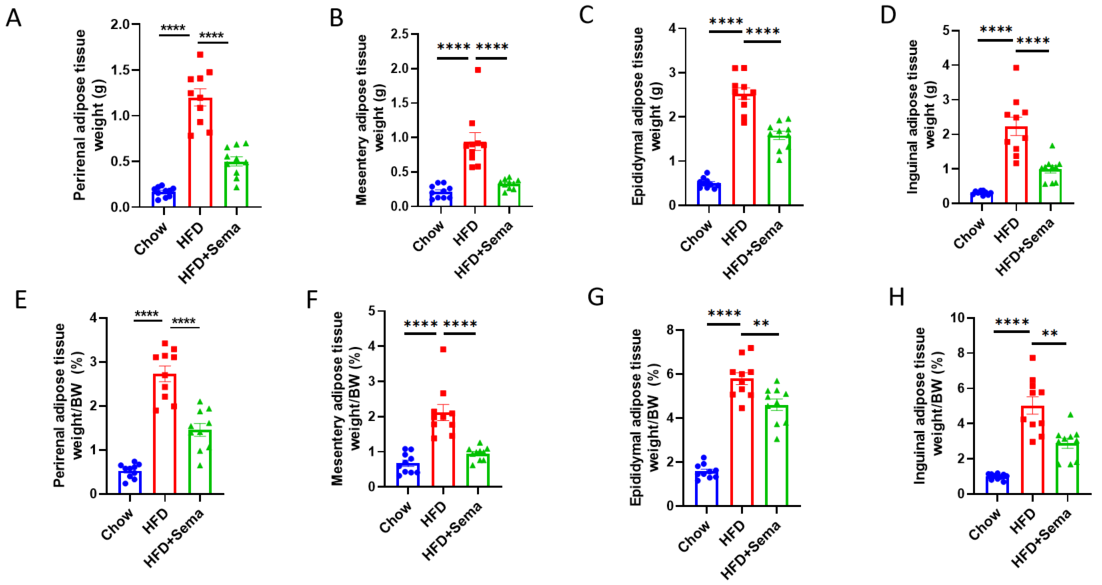
Efficacy study of semaglutide in HFD induced mouse model. A-D, Adipose tissue weights after treatment. E-H, The percentage of adipose tissue weight to body weight after treatment. Data are expressed as mean ± SEM. N = 10 mice per group. *p<0.05, **p<0.01,***p<0.001 ,****p<0.0001.
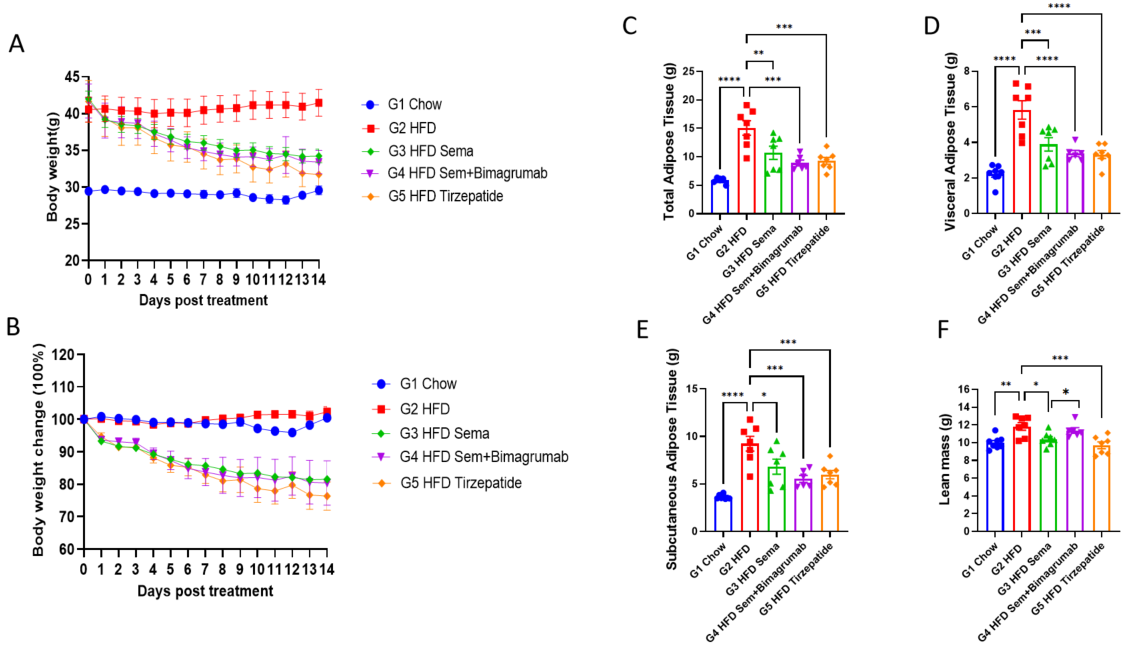
Efficacy of GLP1R agonists and ActRII Ab on fat mass and lean mass. A-B, Body weight change after treatment. C-F, Fat mass and lean mass change analyzed by in vivo Micro-CT scan on day14. N = 6-8 mice per group. *p<0.05, **p<0.01,***p<0.001 ,****p<0.0001.
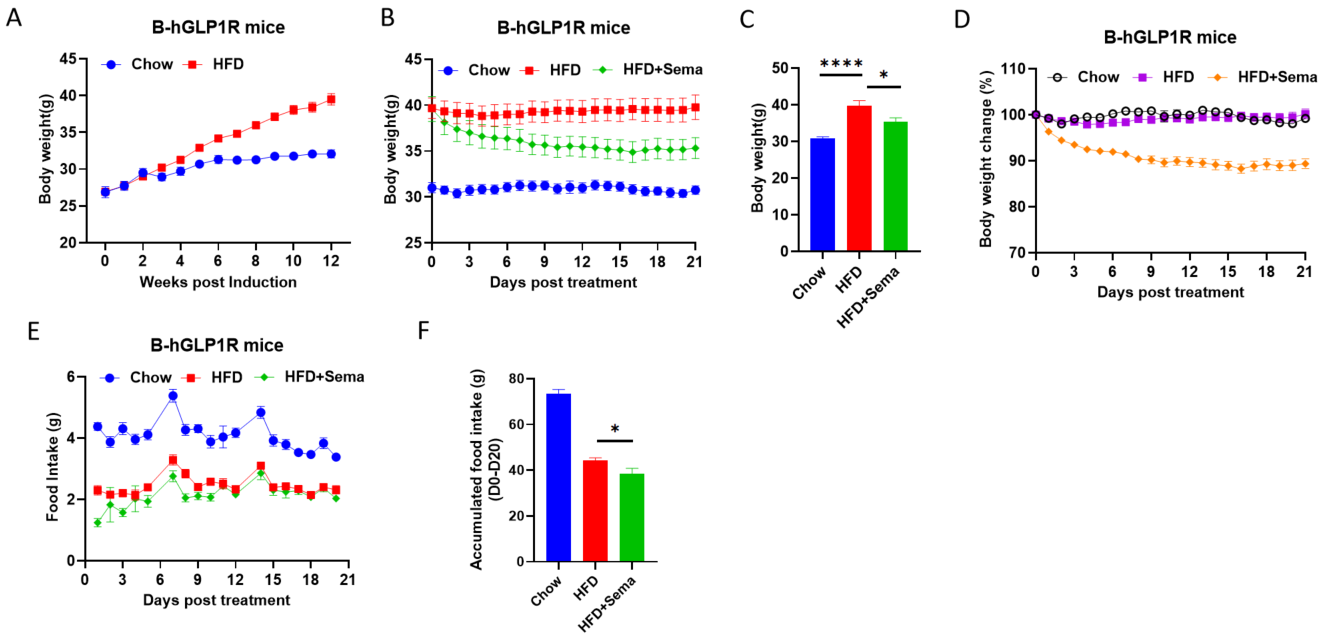
Efficacy study of Semaglutide in HFD induced B-hGLP1R mice. A, Body weight change after HFD induction. B-D, Body weight change after Semaglutide treatment. E-F, Effect of semaglutide on food intake. Data are expressed as mean ± SEM. N = 8-10 mice per group. *p<0.05, **p<0.01,***p<0.001 ,****p<0.0001.
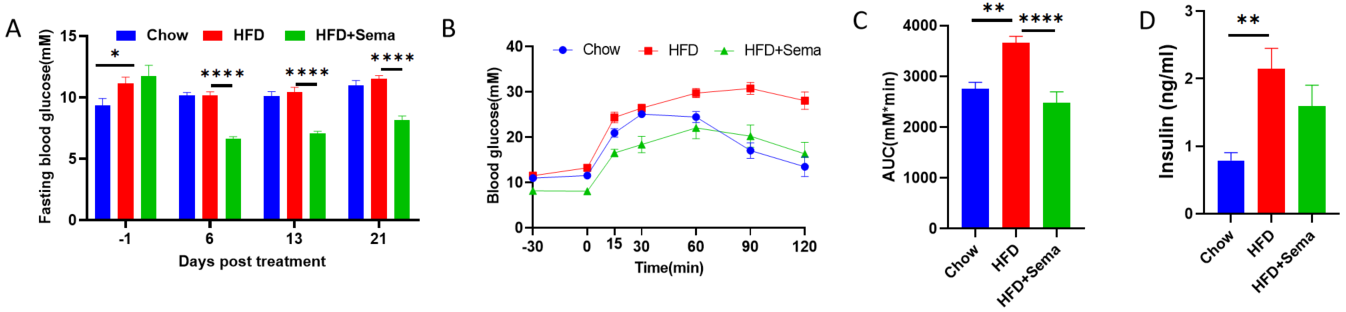
Efficacy study of Semaglutide in HFD induced mouse model. A, Blood glucose change after Semaglutide treatment. B, Glucose tolerance ability after treatment. C, Area under curve of B. D, Plasma insulin level. Data are expressed as mean ± SEM. N = 8-10 mice per group. *p<0.05, **p<0.01,***p<0.001 ,****p<0.0001.
Leptin is a peptide hormone secreted by adipocytes and is mainly expressed by white adipose tissue. Additionally, leptin is also found to be expressed in the myocardium, skeletal muscle, placenta, lung, breast epithelium, and gastric mucosa. Functionally, leptin can inhibit appetite, increase energy expenditure, and inhibit fat synthesis to promote its decomposition. Insulin can promote the secretion of leptin, which in turn plays a negative feedback regulatory role in the synthesis and secretion of insulin.
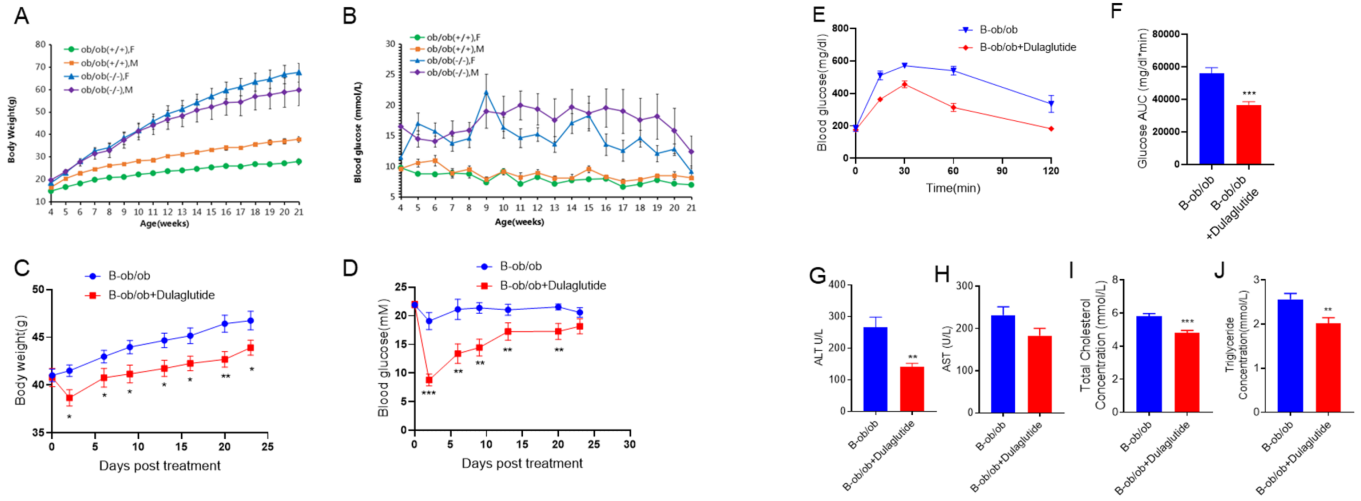
Spontaneous diabetes Mouse Model. A-B, Body weight and Blood glucose change of B-ob/ob mice from 4-21 weeks old age. C-F, Nine weeks old B-ob/ob mice were administrated 1mg/kg Dulaglutide (in house) twice per week for 4 weeks after grouping. Body weight and blood glucose were recorded at indicated time. Glucose tolerance test were performed the day after the last dose (n = 8 mice per group). G-J, Biochemical blood test showing the effect of Dulaglutide on B-ob/ob mice. Values are expressed as mean ± SEM. **p<0.01, ***p<0.001. (n = 8 mice per group).
Streptozotocin (STZ) is an antibiotic that produces pancreatic islet β-cell destruction and is widely used experimentally to produce a model of type 1 diabetes mellitus (T1DM). STZ is a nitroso-containing compound that can specifically destroy islet B cells and increase the oxidative invasion of islet B cells by inducing the synthesis of nitric oxide (NO). It is generally believed that low-dose multiple injections of STZ can induce type 1 diabetes in experimental animals. The mechanism may be that after injection of low-dose STZ, a small number of islet cells are destroyed, and the dead islet cells release sensitizing proteins as antigens by macrophages. Phagocytosis, producing Th1-stimulating factor (IL-12), and inducing increased secretion of IL-2 and IFN-γ, forming inflammatory cell infiltration in the local islet, releasing cytokines such as IL-1β, TNF-α, IFN-γ and oxygen free radicals to kill a small number of cells. Dead cells use themselves as antigens, and after being processed by APC cells, release cytokines, amplify the cell damage effect, and eventually lead to type 1 diabetes.
| Included tests | Optional tests |
| Body weight | Insulin tolerance test |
| Blood glucose | Blood glucose |
| Glucose tolerance test | Food intake |
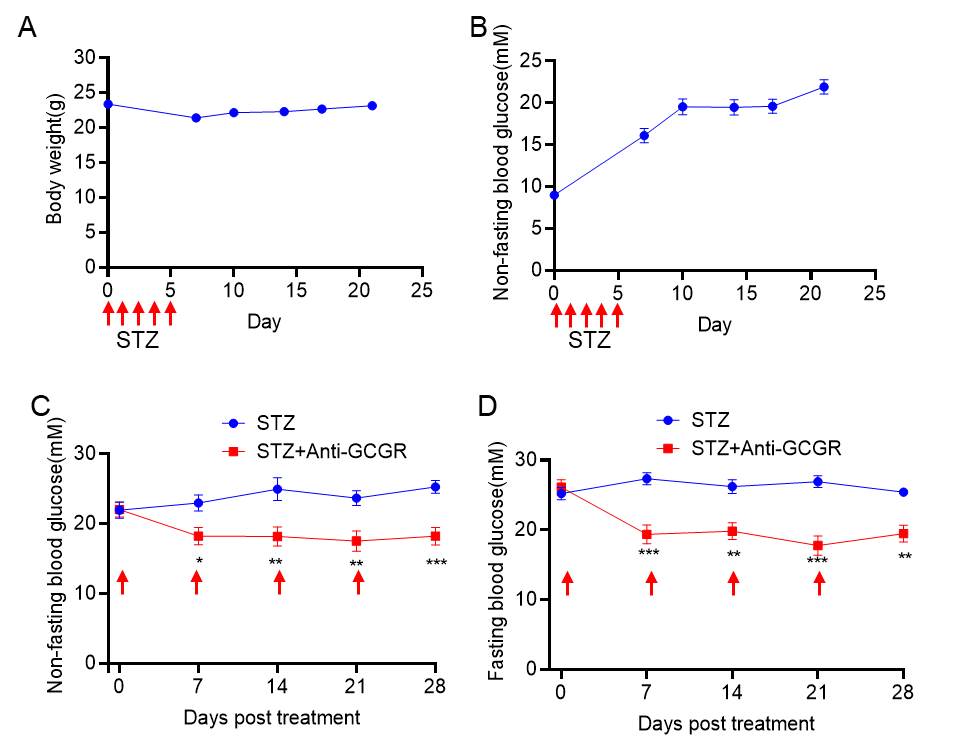
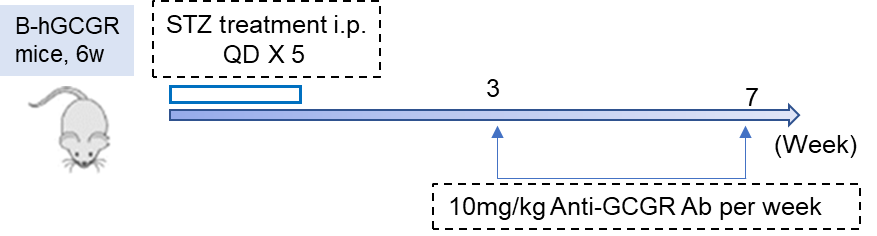
Hypoglycemic effect of GCGR antibody in STZ induced B-hGCGR mice. A-B, Body weight and Blood glucose change of 6 weeks old B-hGCGR mice after STZ (50mg/kg) induction (n = 8 mice per group). C-D, Three weeks after STZ induction, GCGR antibody (10mg/kg, made in house) was administrated once per week. Non-fasting blood glucose(C) and Fasting blood glucose(D) was measured. Values are expressed as mean ± SEM. *p<0.05, **p<0.01,***p<0.001.
