
on this page
Biocytogen's professional technology team and sales staff strive to help researchers achieve their animal model needs. The gene targeting strategies that our customized models use include:
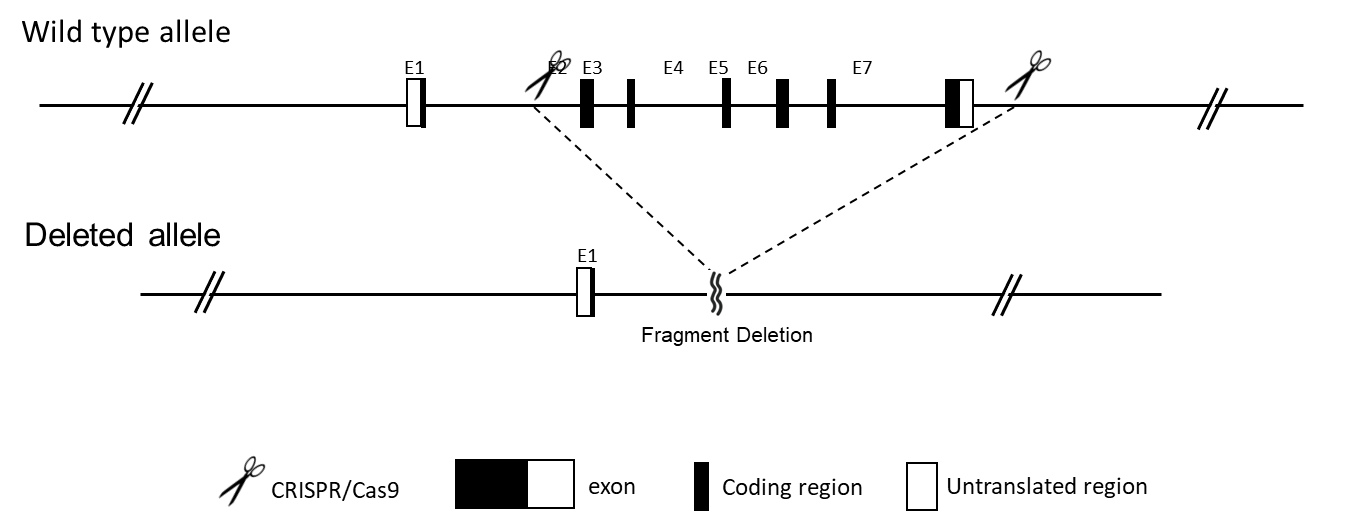
In a global knockout (KO) mouse model, an exon of a target gene is globally deleted (EGE™ method) or replaced (ESC/HR) with a positive selection marker (Neomycin in most cases), thus inactivating the gene. In a global, or whole-body KO mice, the gene of interest in disrupted in every tissue.
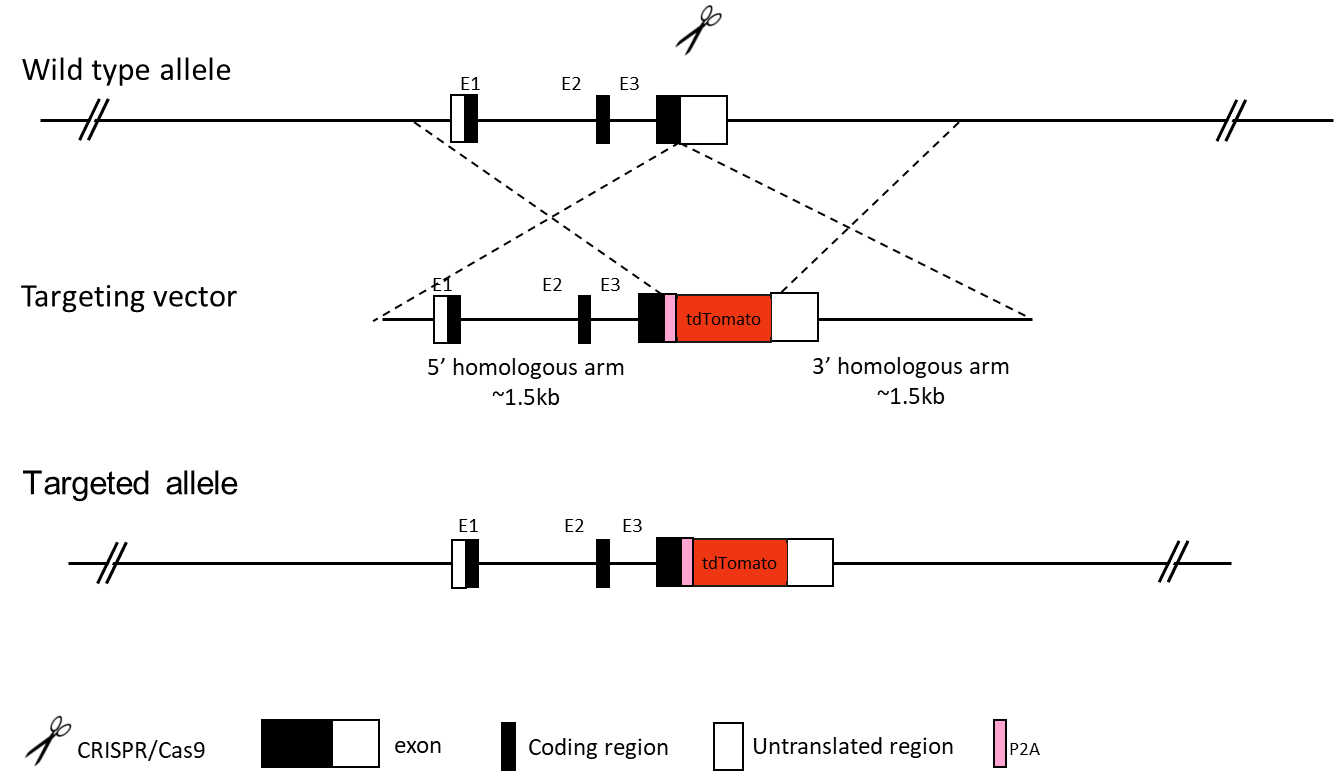
Global knockin mouse models introduce mutant or exogenous DNA sequences into a specific locus in the mouse genome. These models can mimic genetic diseases when mutation(s) are introduced, or monitor gene expression when genes are tagged with various proteins (e.g. EGFP, mRFP, mCherry, YFP, LacZ, and Flag).
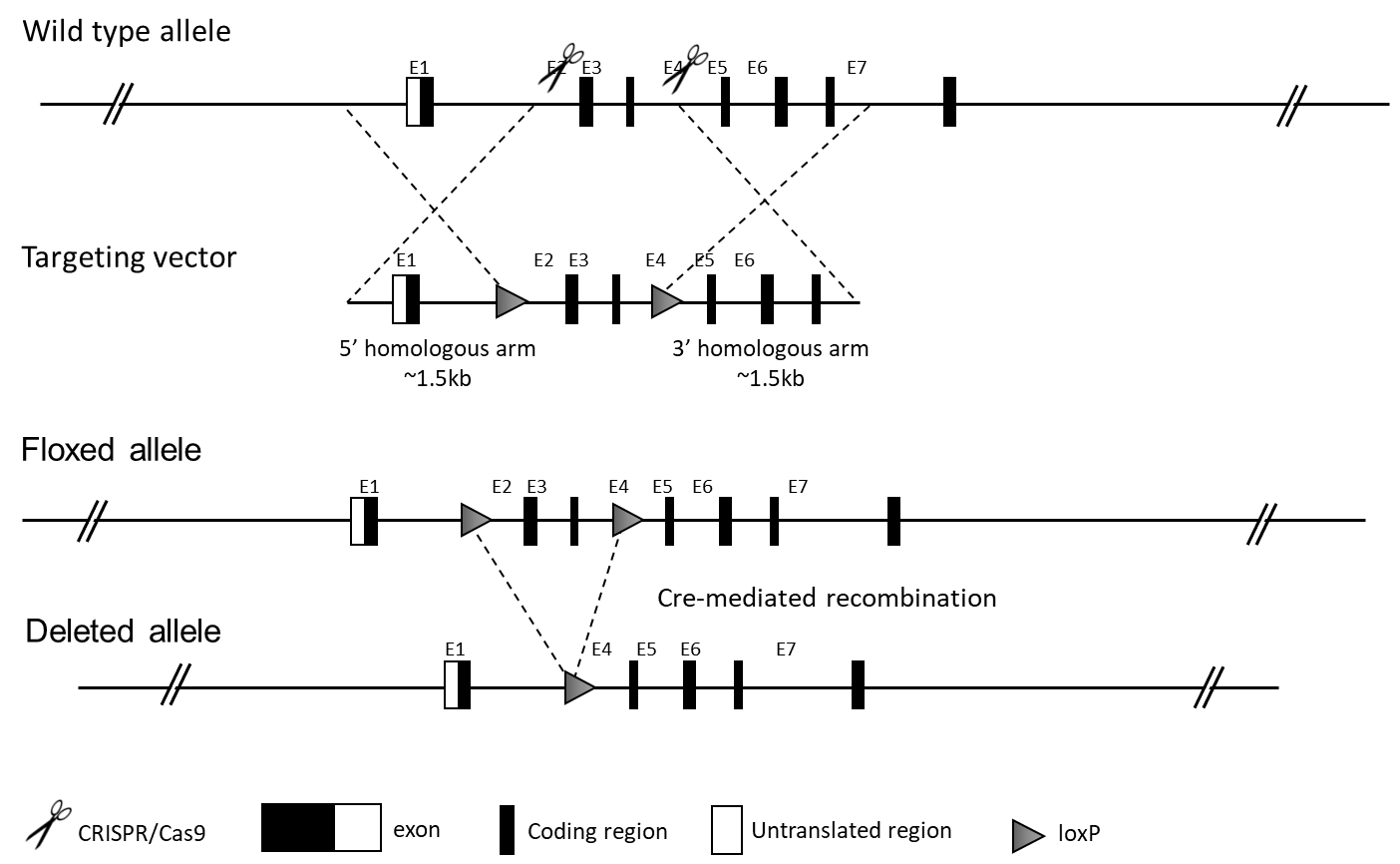
A conditional knockout (cKO) model is generated via Cre-LoxP/Flp-Frt recombination systems. The targeted fragment to be knocked out is flanked by LoxP (or Frt) elements. Floxed mice are then bred with tissue-specific Cre mice or Flp mice—so that sequences between the LoxP sites will be removed from the offspring's genome in a tissue-specific pattern. In typical designs, a Cre mouse drives recombination only in the target tissue. LoxP fragments are commonly inserted into the introns downstream of the ATG-containing exon, and removal of the flanked exon(s) will result in a frame-shift that disrupts protein expression.
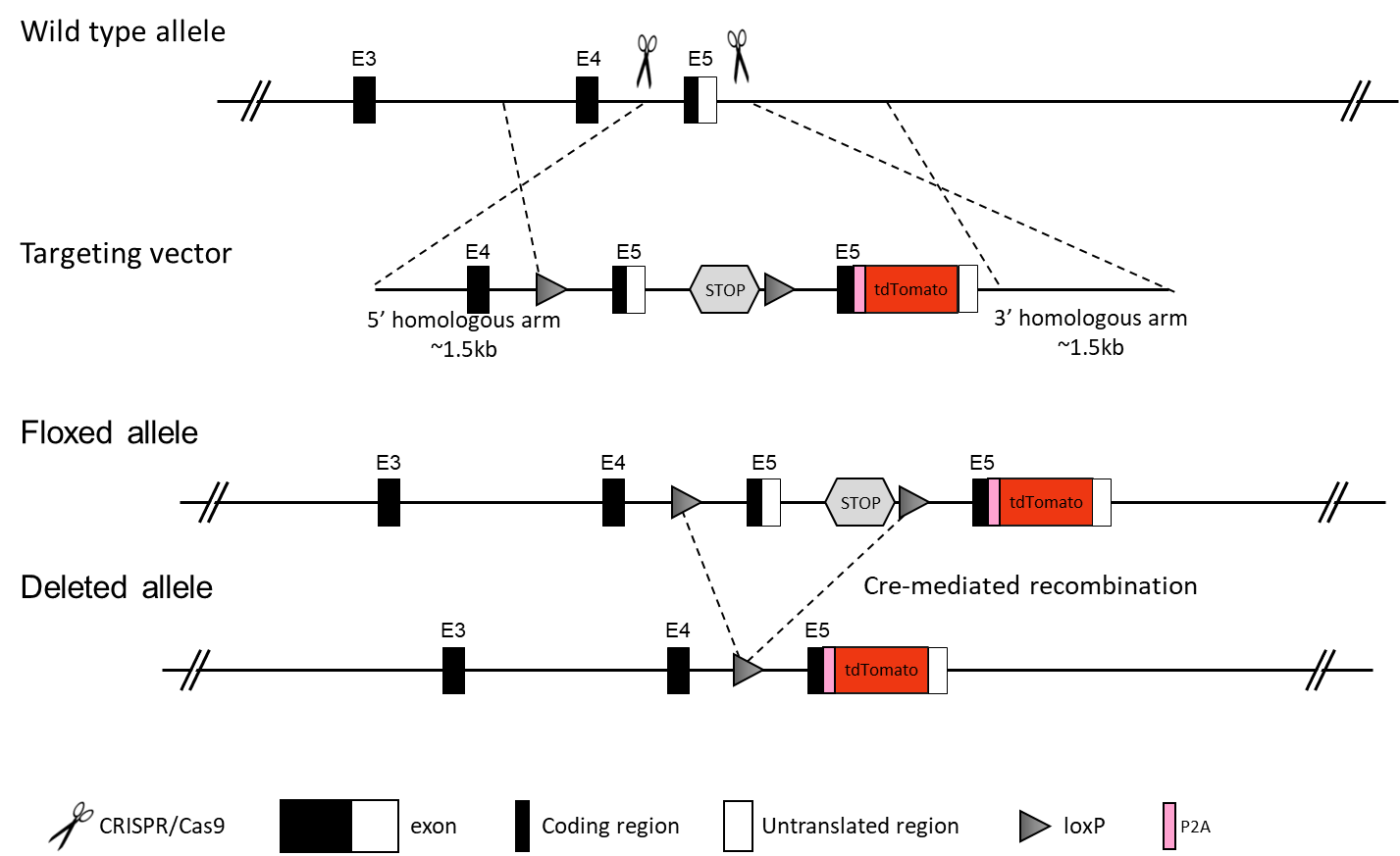
A conditional knockin (cKI) mouse model enables tissue-specific activation of exogenous genetic elements—such as point mutations, reporters, or functional cassettes—by crossing mice carrying a floxed allele with a tissue-specific or inducible Cre or CreERT2 mouse, ensuring activation only where Cre recombinase is present. These models are typically generated using the FLEx (Flip-Excision/dual-lox) system or a minigene-based design, allowing the engineered mutation or reporter to be expressed in a spatially and/or temporally controlled manner. This Cre-lox–driven cKI strategy is widely used to study gene regulation, perform lineage tracing, and dissect cell-type-specific biological functions.
A conventional point mutation mouse model is a knockin mouse line in which one or more nucleotides in the mouse genome are substituted by variant nucleotides. This can result in either an in-frame amino acid change within a given protein sequence, or a frameshift mutation. Knockin point mutation mouse models are widely used to study the roles of particular nucleotides or amino acids within proteins, which is directly applicable for studying human genetic diseases.

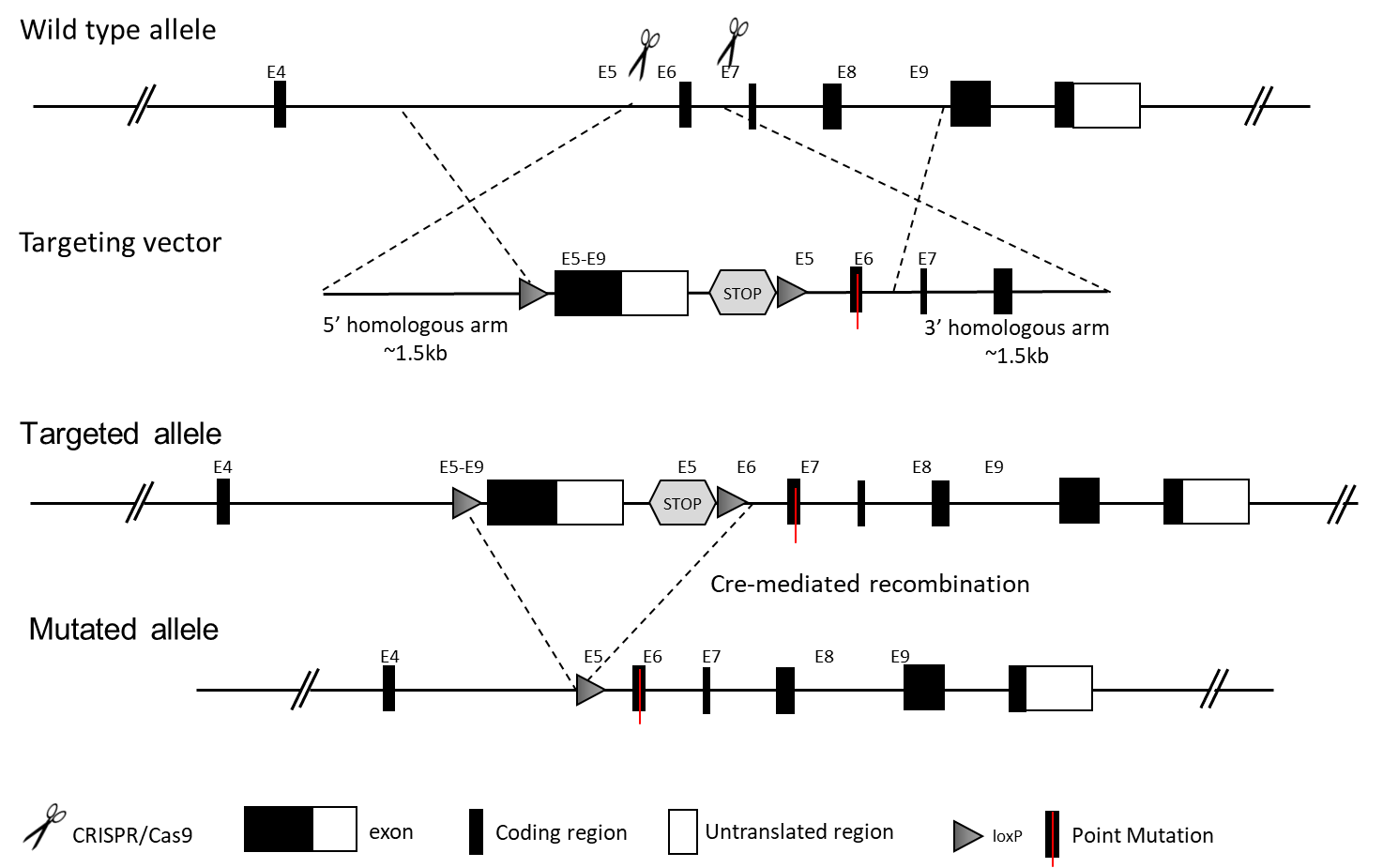
A conditional point mutation mouse model introduces a point mutation when certain conditions are met. In the gene targeting strategy below, when Cre recombinase is present, a point mutation will be introduced tissue specifically via Cre activity. There are two major design strategies illustrated below.
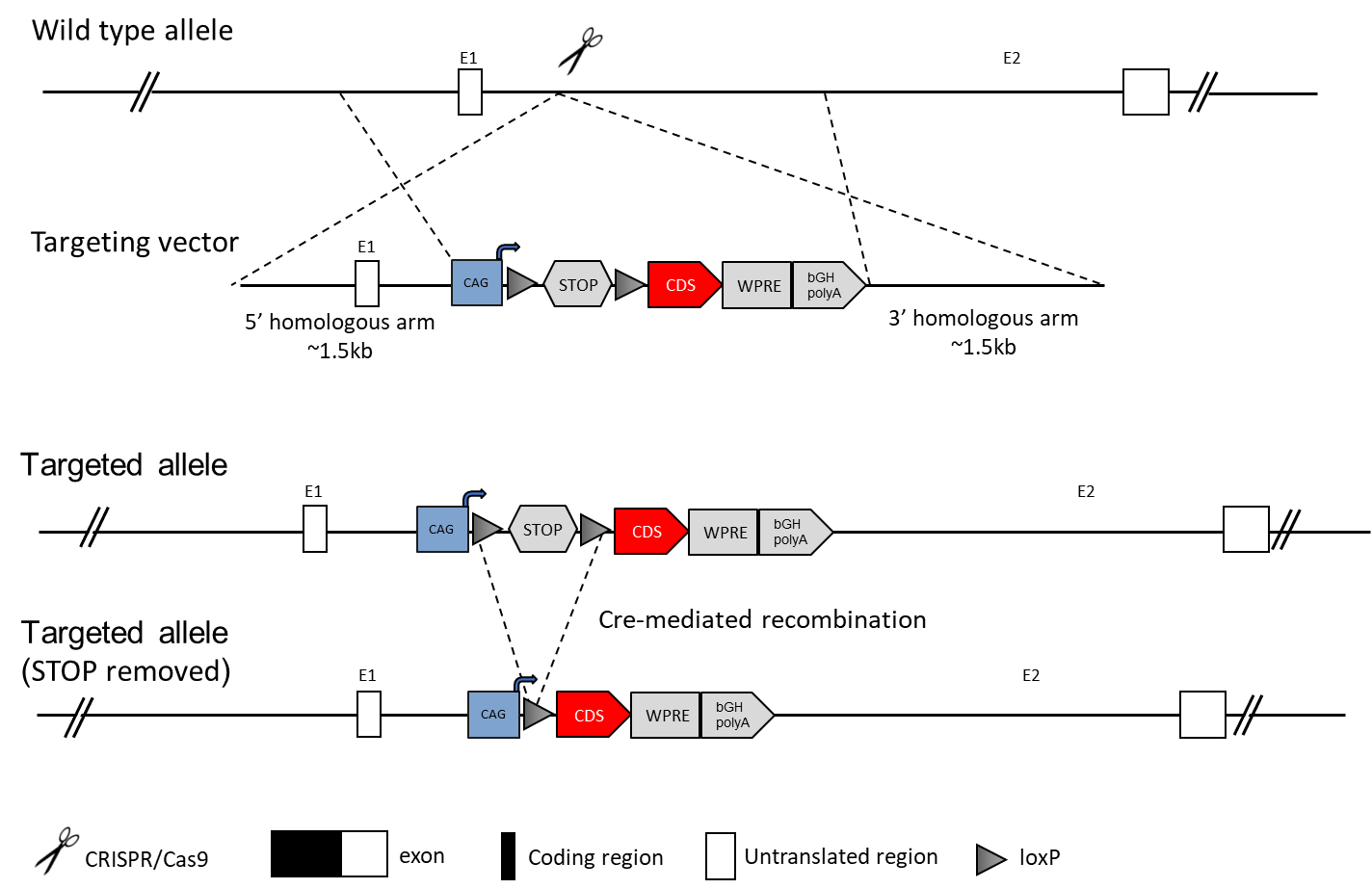
Traditional transgenic mouse models are generated via pronuclear injection of a plasmid, where many different founders can be obtained. Experimental results from different founders can vary and not be reproducible due to the differences in integration copy number and loci. Currently, most researchers use site-specific integration strategies to build gene edited mouse models. Rosa26 is the most commonly used “safe harbor” locus because Rosa26 encodes a nonessential nuclear RNA expressed in almost all tissues. Conditional expression of an exogenous gene will result when a LoxP-3XSTOP-LoxP sequence is inserted upstream of the exogenous sequence at the Rosa26 locus, and this model is crossed with a Cre deleter. Examples of additional safe harbor loci include H11 and TIGRE.
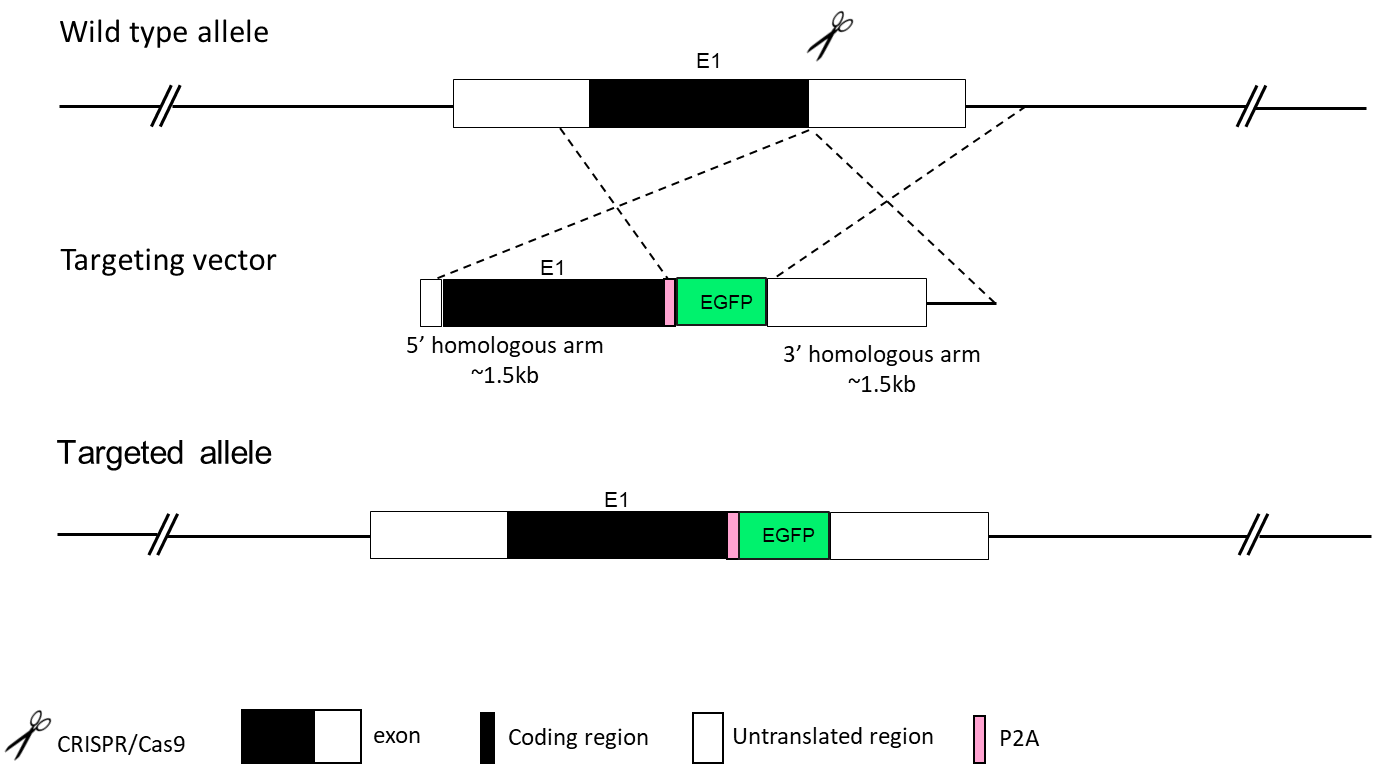
Genes tagged with EGFP, YFP, LacZ, Flag, mCherry and other sequences are useful for monitoring gene expression. Reporter gene mouse models are used to construct phylogenetic trees for cell development studies. Replacement of an endogenous gene with a reporter can simultaneously achieve gene knockout and knockin in the same mouse model.
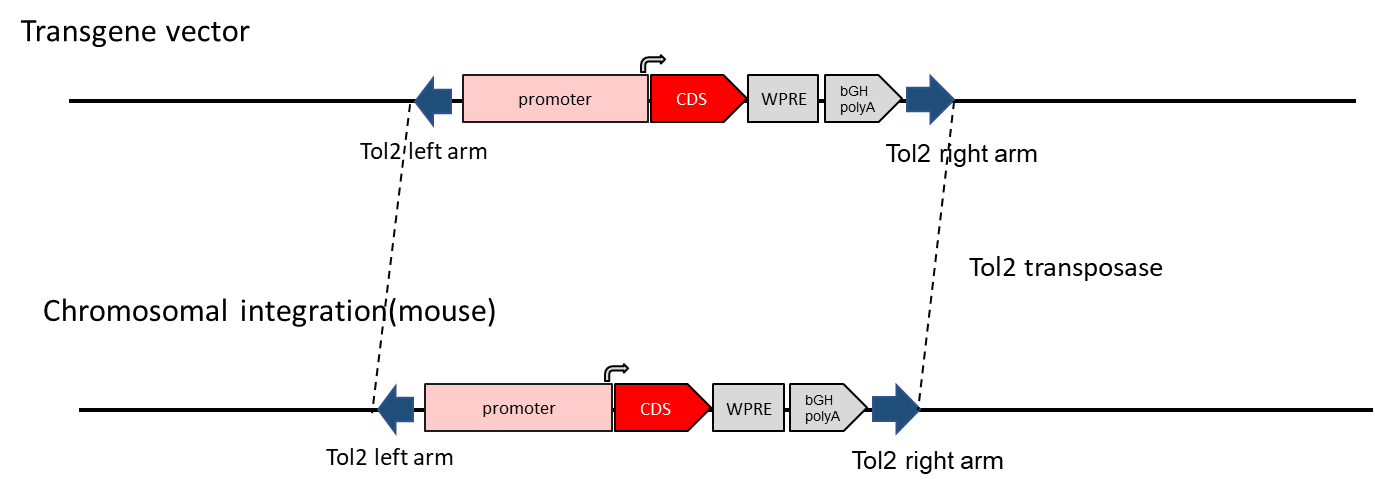
The Tol2 mouse model allows generation of transgenic mice utilizing Tol2 transposase activity. The Tol2 transposon system not only can increase the gene integration rate, but also has the inclination to integrate foreign genes into AT rich regions.
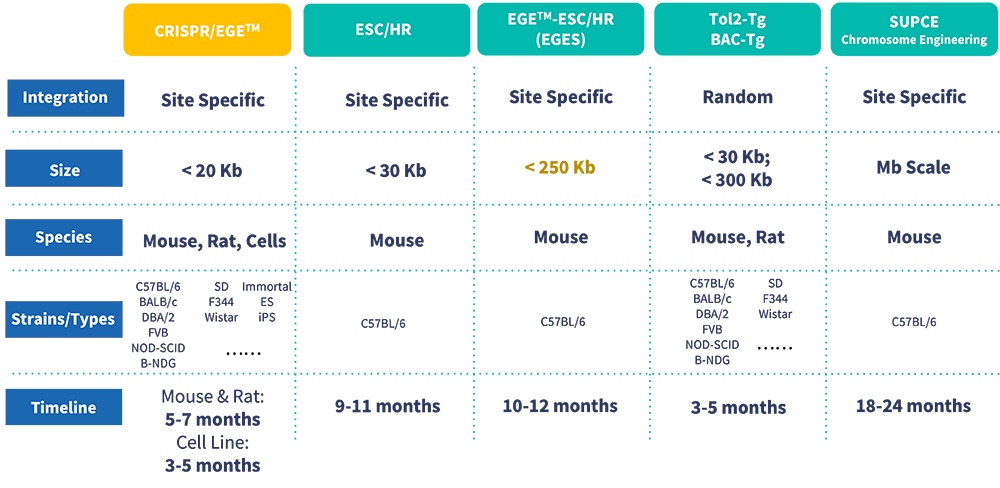
How Our Gene Editing Services Work Biocytogen incorporates a bioinformatics approach to minimize off-target activity by searching the target genome for regions of similar sequence identity to the sgRNAs. Therefore, only sgRNAs with high specificity and high activity are chosen. As part of our quality control measures, we can perform 2 rounds of PCR to amplify the genomic regions around potential off-target sites, followed by sequencing to look for off-target events. We have also integrated Southern blot in our workflow as an important quality control step for generating knock-in and conditional knockout animal models to detect any potential random insertions. A dedicated project manager will be assigned to your project once it is initiated, they will provide monthly updates on the status of your model and are available to be reached at any time.

For more detailed information about our gene editing service technologies, Download Gene Editing Brochure.
The Flvc2GFP allele was generated by homologous recombination in embryonic stem cells. Two sets of inverted loxP sites (one regular set and one mutated set) were introduced in order to remove the second exon and flip eGFP in-frame upon Cre recombination. Validation of the cloned construct by Southern blot was achieved using two probes and two restriction enzymes.