
you may also like
The world is entering a deeply aging society at an unprecedented pace. This demographic shift has established population aging as the primary driver of global chronic disease burdens—from cancer and neurodegeneration to metabolic and cardiovascular disorders.
In this new landscape, aging is no longer a biological inevitability; it is the foundational paradigm for the next generation of drug development. To bridge the gap between the lab and the clinic, relying on standard models is no longer an option—it is a risk.
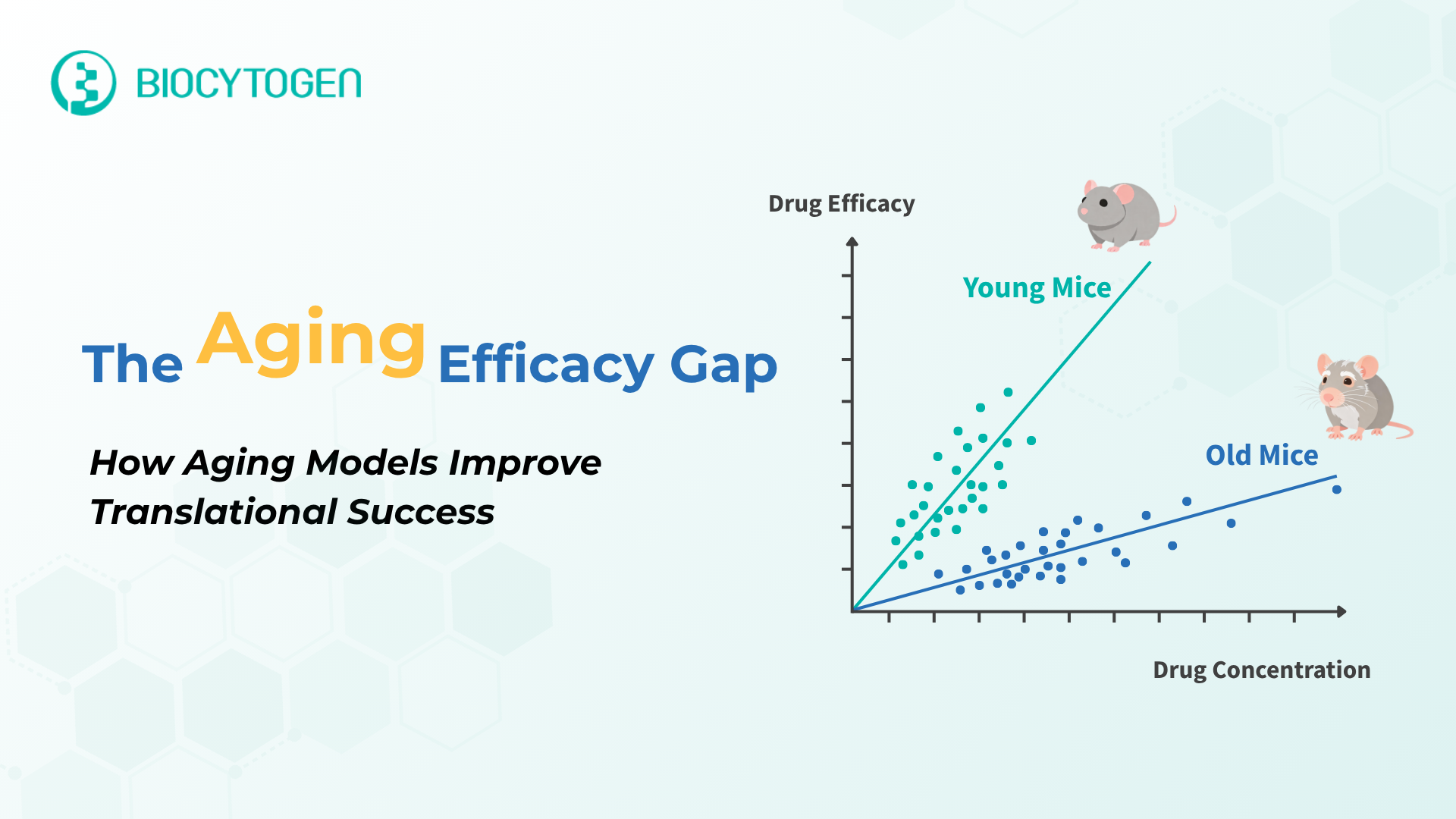
Historically, drug development often overlooks age-related physiological changes, creating a critical efficacy gap. Natural aging models reveal that drug performance is not static—it fluctuates as the body ages. For example, anti–PD-1 therapy is effective in young mice at both low and high tumor burden, yet loses efficacy in mature and aged mice as the disease progresses. This disparity proves that relying on young models risks overestimating clinical success. To ensure accuracy, researchers must utilize age-relevant in vivo tools that reflect the complex biological environments of mature and older patients.
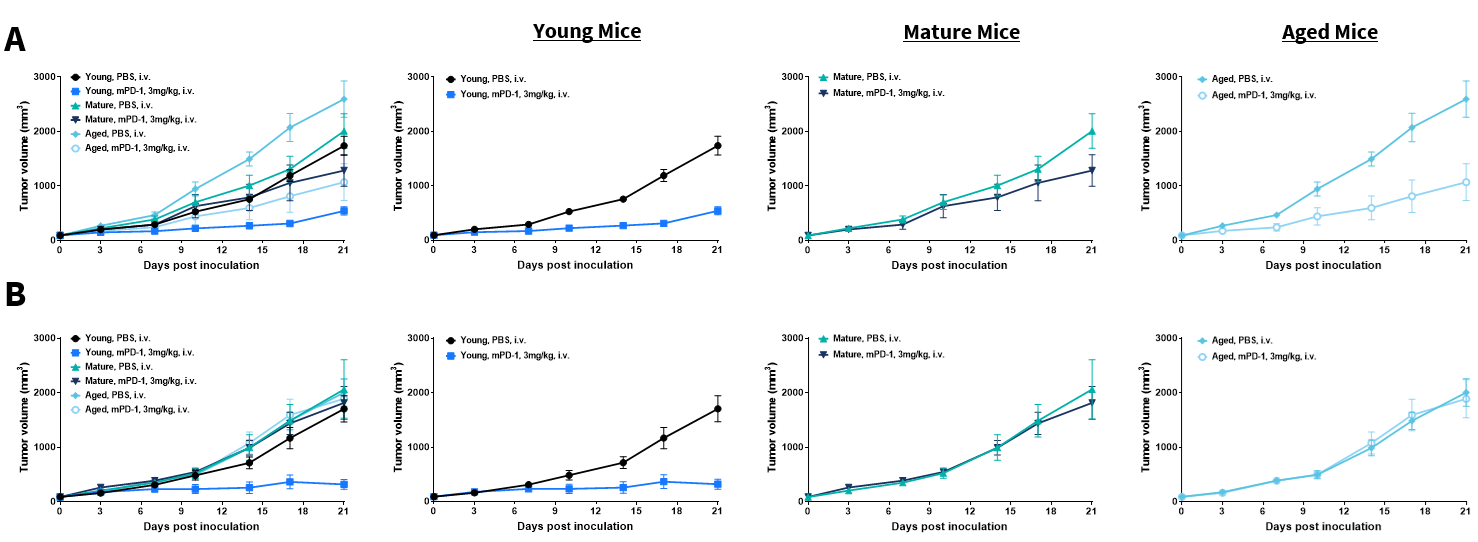
Age-Dependent Anti-PD-1 Efficacy in MC38 Tumor Models. Young (~2-month), mature, and aged (18-month) mice were treated with anti-PD-1 or PBS after MC38 tumor implantation. (A) At a lower tumor burden (1E5), anti-PD-1 was effective in all groups. (B) Conversely, at a higher burden (5E5), anti-PD-1 inhibited growth only in young mice, with no therapeutic effect observed in mature and aged groups.
Biocytogen provides a comprehensive portfolio of mouse models to decode the complexities of aging and fast-track your path to the clinic:
Natural aging models, such as aged C57BL/6JNifdc mice, are essential for physiologically relevant mechanistic studies. For example, 18-month-old (aged) mice exhibit significantly reduced forelimb grip strength compared to young controls (~2-month), perfectly mirroring natural age-related muscular decline.
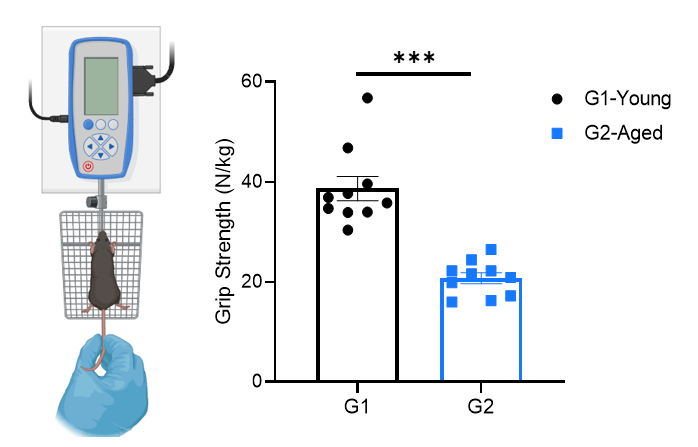
Grip strength test in young and aged mouse models.
While accelerated aging models are vital for bypassing long experimental timelines, their value extends far beyond convenience. These models are essential for studying progeroid syndromes and various chronic diseases where pathology manifests as premature or accelerated aging. Through precise gene-editing, researchers can rapidly replicate specific age-related pathologies:
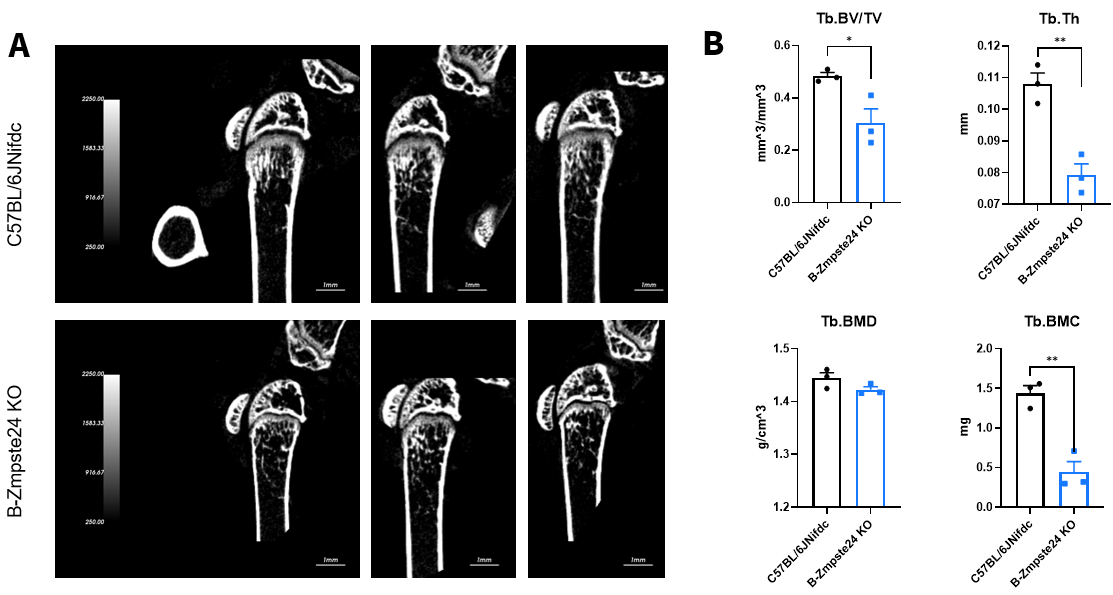
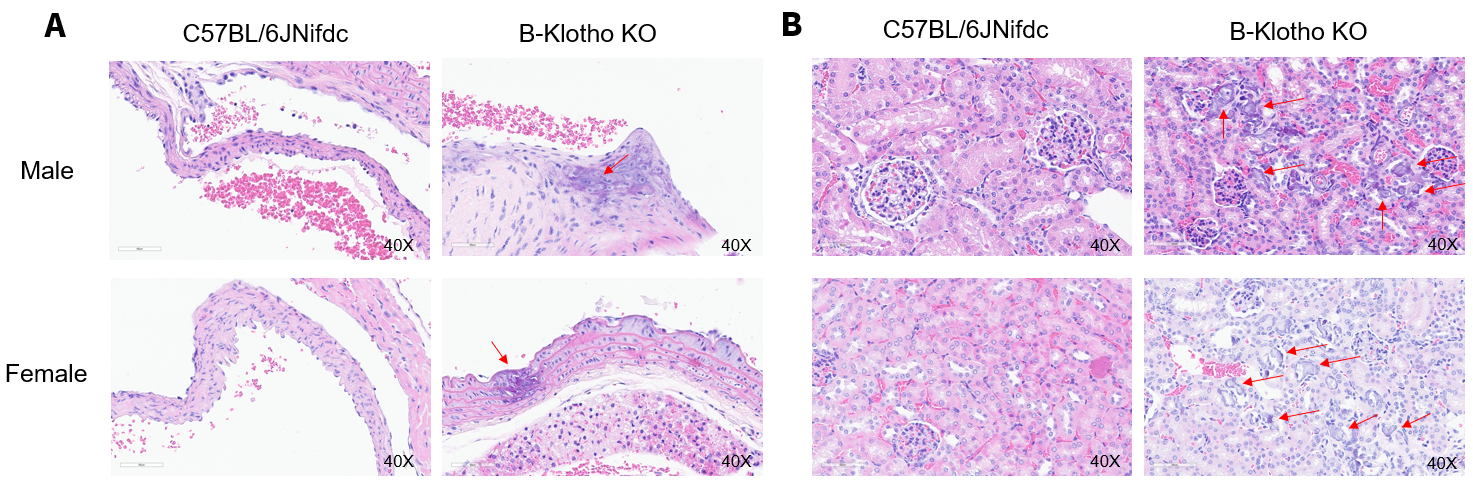
By utilizing these models, researchers can target the foundational drivers of aging to treat diseases or target symptoms that manifest far earlier than they would in a standard physiological timeline.
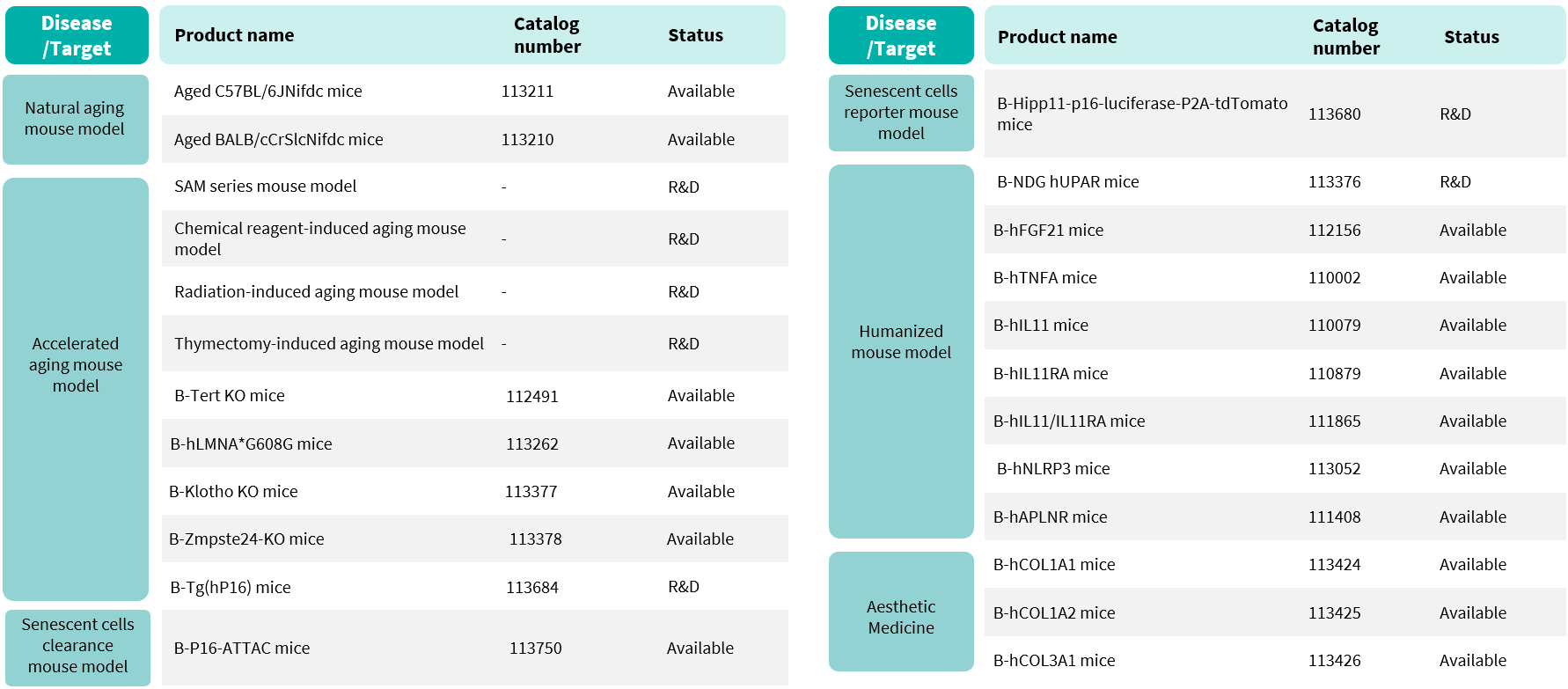
Humanized models are the essential bridge to clinical translation, connecting specific aging mechanisms to targeted disease indications. While natural and accelerated models define the "when" and "how" of aging, humanized models address the "what" by replacing murine targets with human analogs, ensuring that drug candidates are tested against the exact molecular structures encountered in patients.
For example, recent breakthroughs have identified the cytokine IL-11 as a primary driver of systemic aging. Using an IL11 & IL11RA humanized mouse model (B-hIL11/hIL11RA), researchers can successfully validate anti-human antibodies to reduce liver damage and fibrosis—results that would be impossible to achieve in incompatible wild-type mice. By testing against exact human molecular structures, our models ensure that aging-related drivers—like human IL11, NLRP3, and FGF21—can be accurately targeted to treat age-dependent diseases. Please refer to the complete model list below.
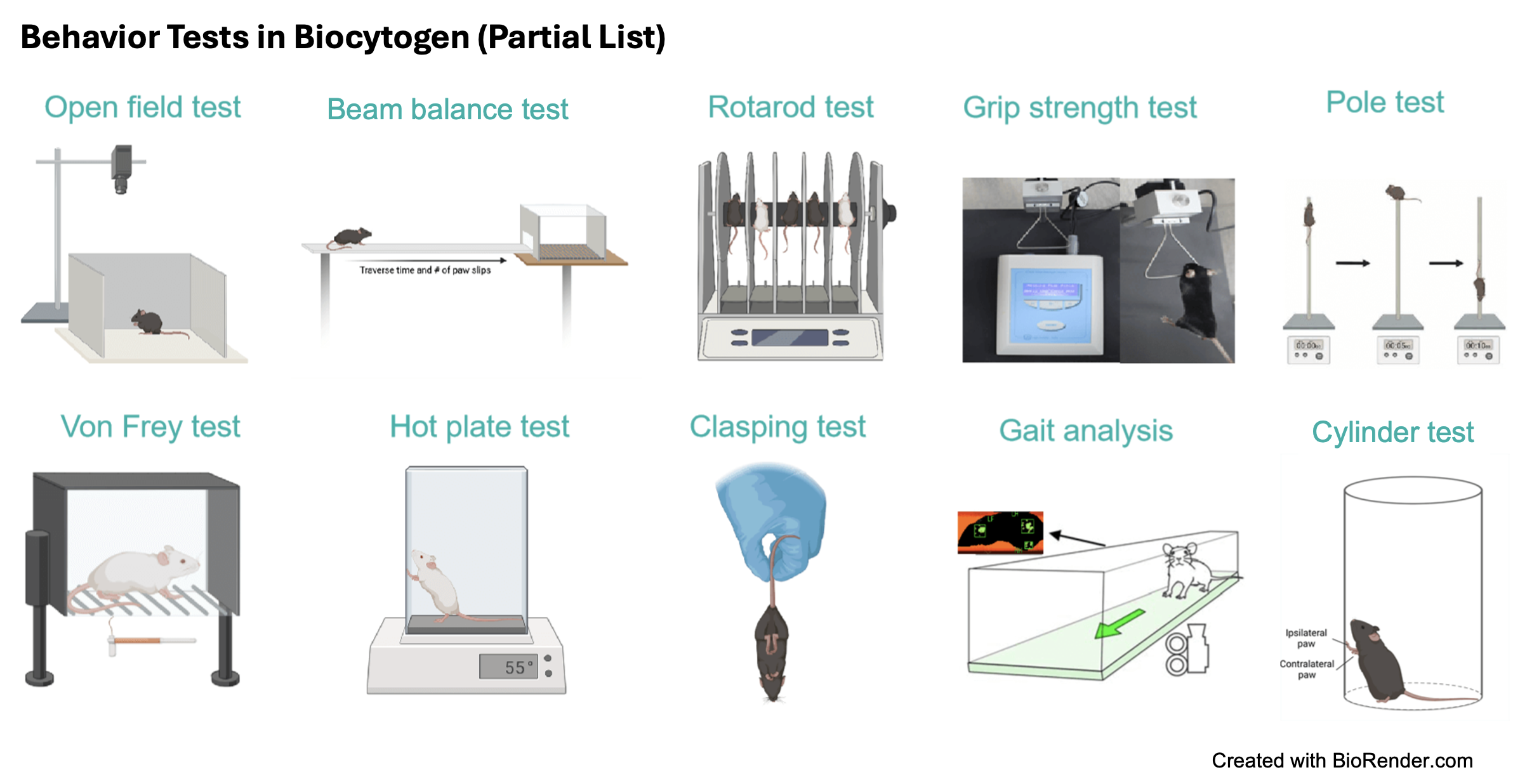
To develop effective anti-aging interventions, researchers must first precisely quantify physiological decline using the stable, reproducible phenotypes found in animal models. Biocytogen facilitates this through a comprehensive suite of standardized behavioral platforms designed to measure these complexities:
Specialized models are essential because they bridge the "clinical accuracy gap" by accounting for age-dependent physiological and pathological changes that standard models overlook. As aging becomes a foundational paradigm in drug development, these tools reveal how treatment efficacy shifts with age—such as immunotherapies losing potency as disease load increases in aged environments. By utilizing natural, accelerated, and humanized models, researchers can accurately validate targets and quantify functional declines, ensuring interventions are optimized for the complex biological realities of adults and older patients.
The choice depends on your timeline and required mechanism of action (MoA). Natural models (e.g., C57BL/6JNifdc) provide the highest physiological relevance for studying the authentic MoA of aging over time, establishing an essential baseline for mechanistic studies. Conversely, accelerated models (e.g., Zmpste24 knockout models like B-Zmpste24 KO) bypass long timelines by rapidly amplifying specific disease mechanisms. These progeroid models are ideal for investigating MoAs related to premature aging pathologies, such as bone microarchitecture deterioration or systemic calcification.
Age profoundly alters the efficacy of cancer immunotherapies like anti-PD-1 by narrowing the therapeutic window through immunosenescence and systemic "inflammaging" (chronic, low-grade inflammation). While these treatments remain effective in younger subjects, efficacy is lost in aged models as tumor burden increases because the older immune system lacks metabolic resilience and T-cell diversity to sustain a prolonged attack. Mechanistically, aged T cells often reach a state of terminal exhaustion—where they are hindered by multiple inhibitory signals and mitochondrial failure—making them unresponsive to PD-1 blockade alone. This biological decline underscores the critical need for aged in vivo models to accurately predict clinical outcomes for the older adults who make up the majority of cancer patients.
Biocytogen assesses age-related functional decline through a robust suite of motor, sensory, and cognitive platforms. Key assays include Grip Strength for measuring sarcopenia, the Rotarod for motor coordination, and Von Frey tests for sensory integrity, alongside spatial memory tasks like the Morris Water Maze. By integrating these diverse metrics, the platform provides a high-resolution map of physiological aging, allowing researchers to evaluate how effectively new therapeutics can delay or reverse functional impairment. Explore the complete list here: Biocytogen Behavior Testing Platform