you may also like
Targeted Protein Degradation (TPD) is a cutting-edge drug discovery approach that uses the cell's natural protein disposal machinery to eliminate disease-causing proteins. At the heart of this system is the ubiquitin–proteasome system (UPS), where unwanted proteins are tagged with ubiquitin via E1, E2, and E3 enzymes and then degraded by the 26S proteasome to maintain cellular protein balance and health.
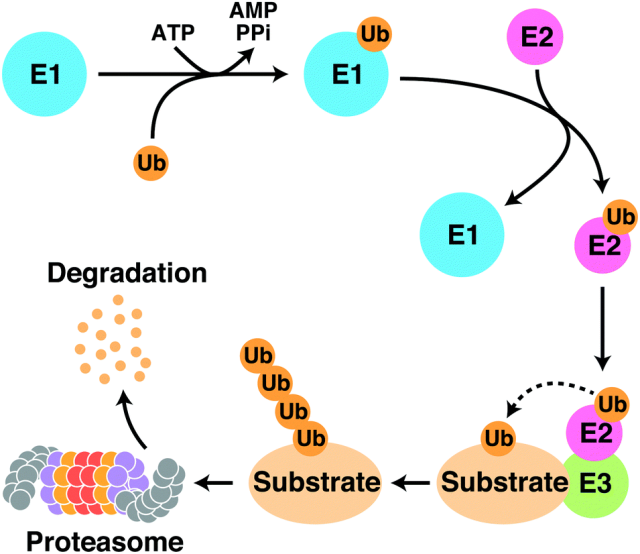
The Ubiquitin-Proteasome System (Yamamoto et al. 2022)
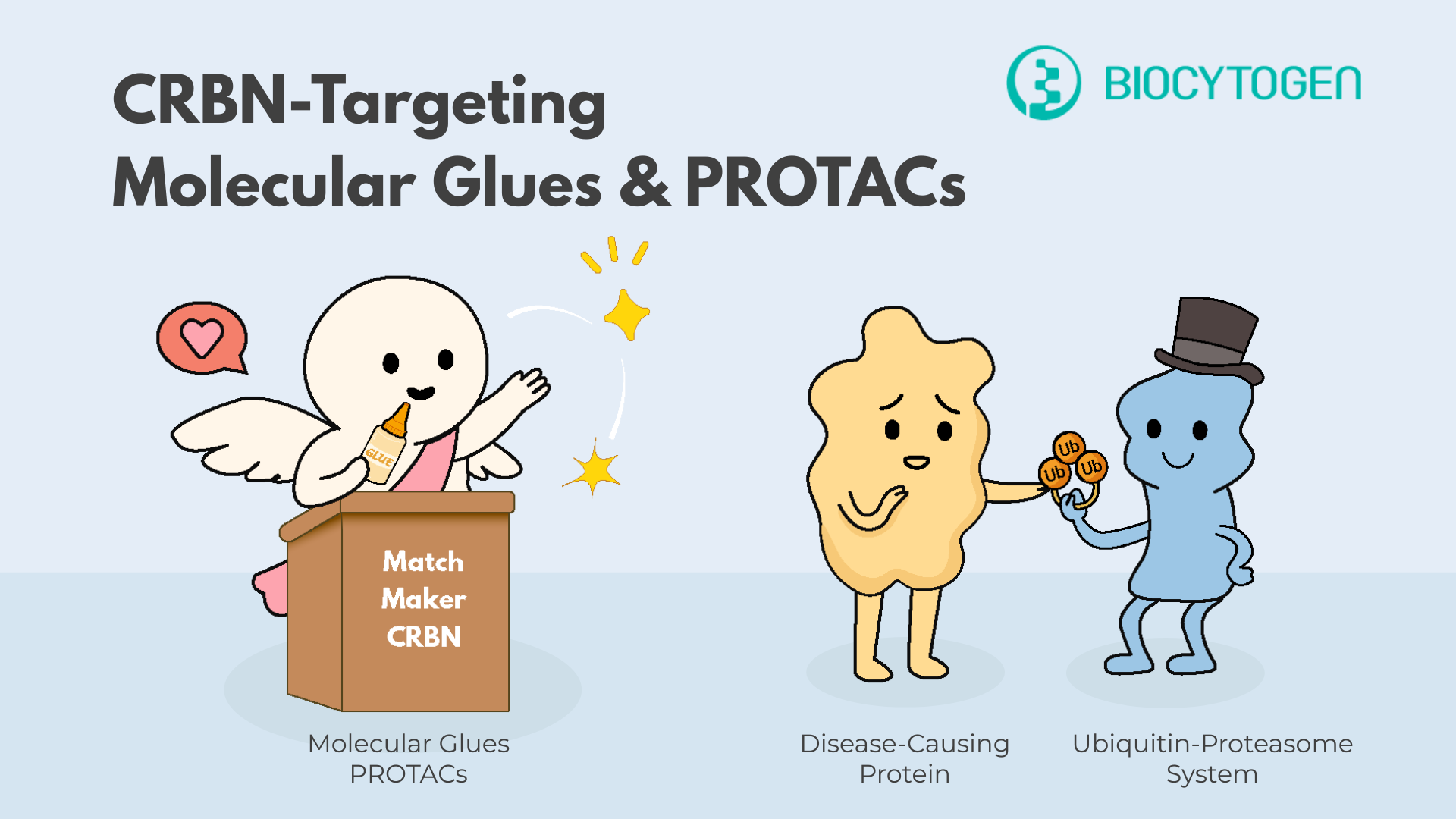
Within TPD, two powerful strategies—molecular glues and PROTACs—have emerged.
Molecular glues are small monovalent molecules that bring together E3 ligases like CRBN and neosubstrates, leading to their ubiquitination and degradation.
PROTACs (proteolysis-targeting chimeras) are bifunctional molecules that link a disease protein and an E3 ligase through a custom linker, forming a ternary complex for highly selective depletion.
These approaches now show promise in eliminating challenging "undruggable" disease targets with unprecedented precision.
This pivotal moment comes during a prolific period for TPD innovation. On May 21, 2025, Orionis Biosciences announced a second multi-year deal with Genentech, valued at over $2 billion, to develop small-molecule monovalent molecular glues—a major catalyst for renewed interest in this technology. Just weeks later, on June 6, Arvinas and Pfizer submitted an NDA to the FDA for vepdegestrant, a PROTAC developed for ER+/HER2⁻ metastatic breast cancer with ESR1 mutations. If approved, it will be the first-ever FDA-approved PROTAC—a historic milestone for the TPD field.
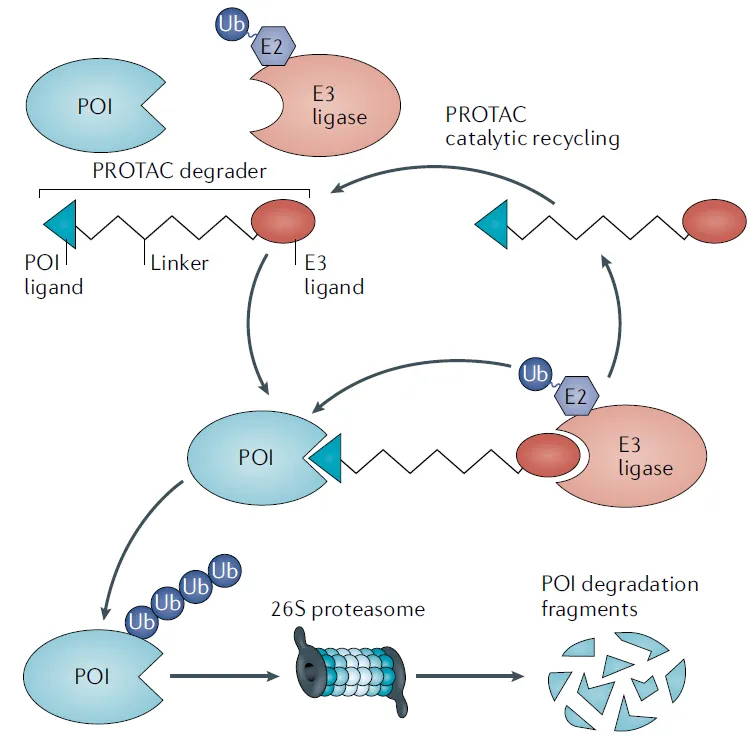
PROTAC-Mediated TPD of Protein of Interest (POI) (Dale et al. 2021)
Among E3 ligases, CRBN (Cereblon) has emerged as the platform of choice due to its well-characterized structure, favorable PK profile, and existing clinical precedent. It enables both molecular glues and PROTACs to target disease proteins previously considered undruggable. But here's a critical challenge: mouse CRBN differs from human CRBN, making standard rodent models unreliable for assessing drug efficacy and safety.
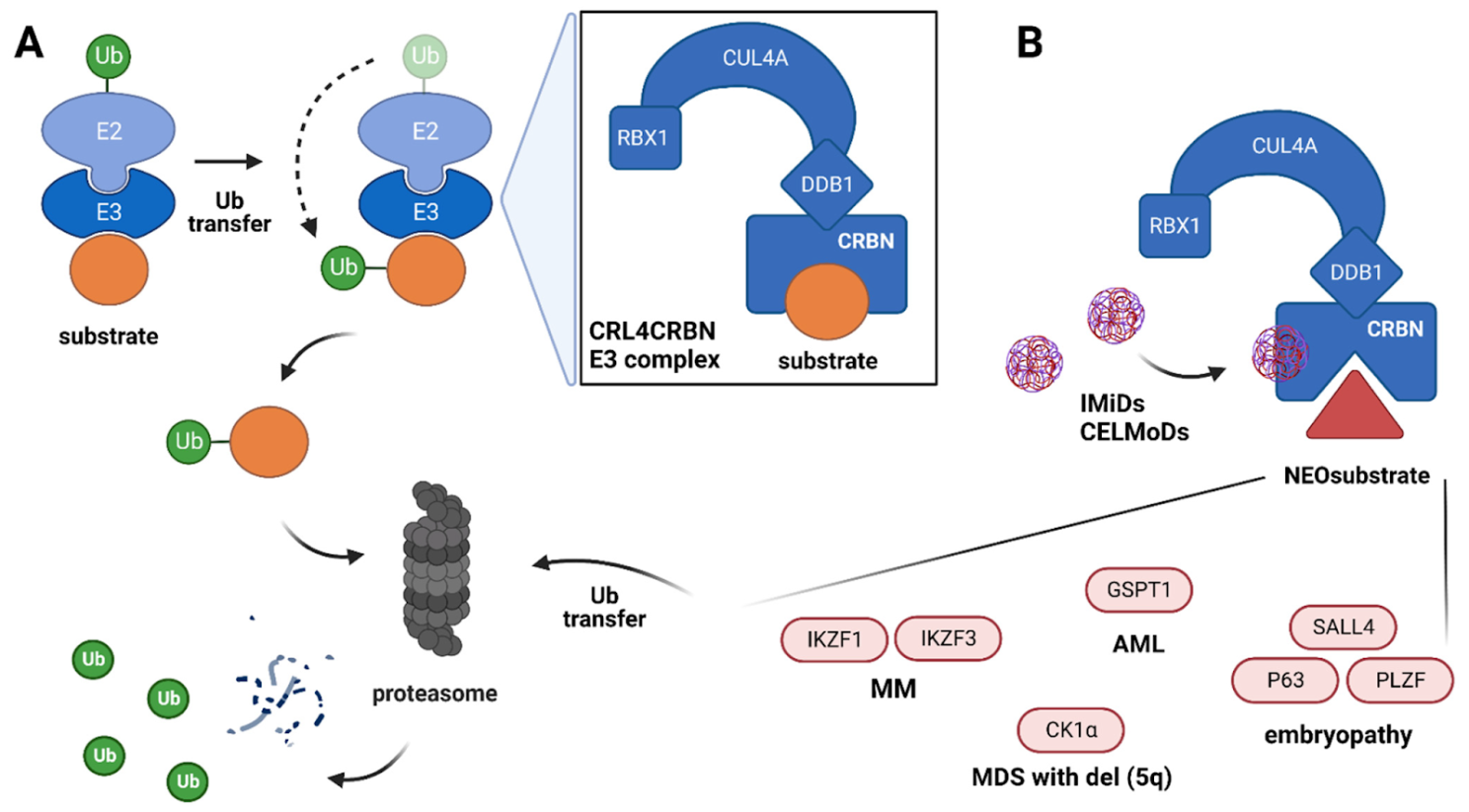
The Ubiquitination Process via CRL4CRBN E3 Ligase Complex (Barankiewicz et al. 2022)
To bridge the species gap, Biocytogen engineered humanized CRBN mice in which the mouse Crbn gene is entirely replaced by human CRBN. This humanized model enables accurate testing of CRBN-targeting degraders—both molecular glues and PROTACs—in a living system.
Functional Validation:
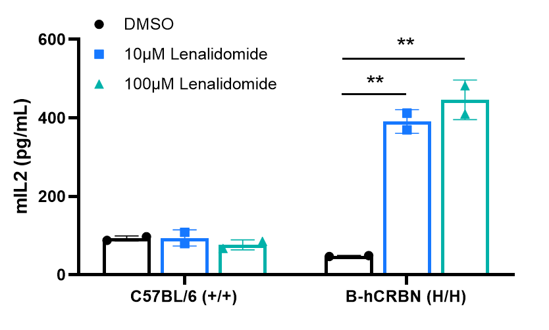
Lenalidomide, a CRBN-binding molecular glue, triggers IL‑2 secretion in naïve CD4⁺ T cells from B‑hCRBN mice, but not in wild-type controls—confirming functional engagement of human CRBN in immune signaling.
Predictive Toxicity:
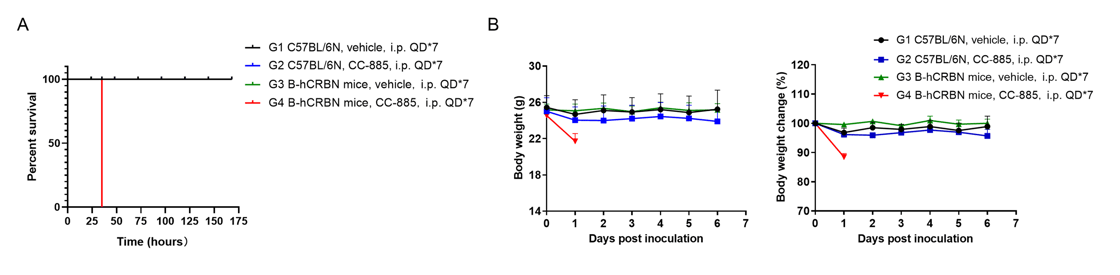
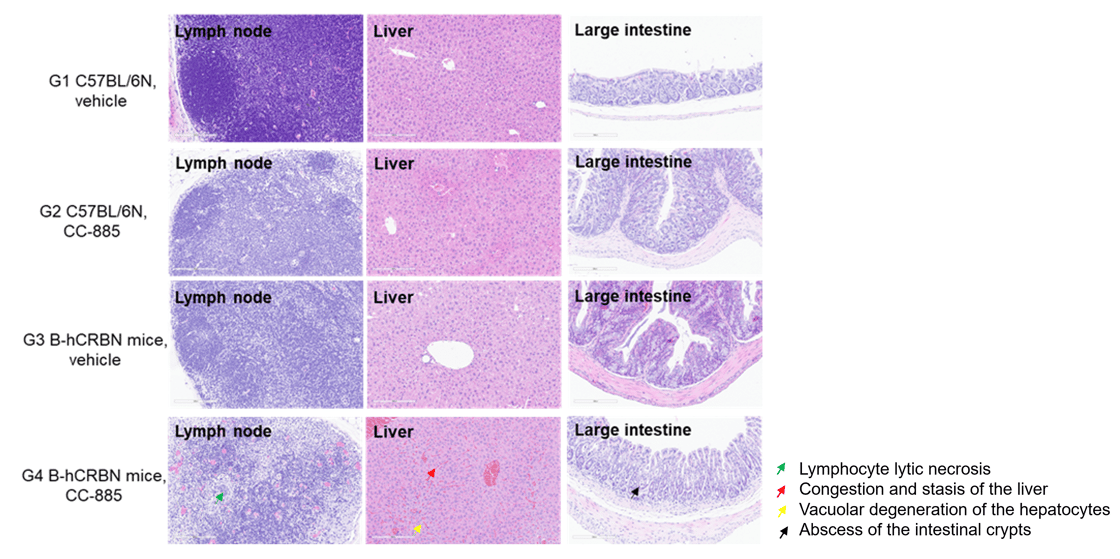
CC‑885, a next-generation CRBN-recruiting molecular glue that degrades GSPT1 (Gao, Wang, and Song 2020), causes rapid, species-specific lethality (~35 hours) in B‑hCRBN mice, while wild-type mice show no toxicity—highlighting the model’s power to predict on-target human-specific toxicities that standard models miss.
Lenalidomide Induces IL‑2 Only in Humanized CRBN T Cells |
|
Naïve CD4⁺ T cells from wild-type C57BL/6 (+/+) and homozygous B‑hCRBN (H/H) mice were stimulated with DMSO or lenalidomide (10 µM or 100 µM) for 24 hours. IL‑2 secretion was measured in culture supernatants by ELISA. Lenalidomide significantly increased IL‑2 production in B‑hCRBN T cells, but not in wild-type controls. |
Humanized CRBN Mice Reveal Human-Specific Toxicity of CC‑885 |
|
In vivo toxicity of CC‑885 in wild-type and B‑hCRBN mice. C57BL/6 and homozygous B‑hCRBN mice received 5 mg/kg CC‑885 or vehicle via intraperitoneal injection. (A) Survival rate. (B) Body weight and change over time. All CC‑885–treated B‑hCRBN mice (G4) died ~35 hours post-injection, while G1–G3 groups remained unaffected. CC‑885 induced marked toxicity specifically in humanized CRBN mice. |
|
Histopathological analysis of lymph node, liver, and colon tissues from wild-type and B‑hCRBN mice treated with CC‑885 or vehicle. Tissues from the G4 group (B‑hCRBN + CC‑885) were collected 35 hours post-injection; others at study endpoint. Only G4 mice showed pathology, including lymphocyte necrosis, hepatic congestion with vacuolar degeneration, and intestinal crypt abscesses. No abnormalities were seen in G1–G3. Scale bar: 100 μm. What’s Next?CRBN-targeting molecular glues and PROTACs are redefining what’s possible in drug discovery—unlocking therapies for diseases once considered untargetable. This progress, powered by clinical innovation, strategic partnerships, and advanced preclinical models, is ushering in a new era of precision biotechnology. Explore how our humanized CRBN mice can support your next breakthrough!
Frequently Asked Questions:What makes molecular glues different from PROTACs?Molecular glues and PROTACs are both protein degraders but differ in design and mechanism. PROTACs are large, bifunctional molecules that tether an E3 ligase to a target protein to induce degradation. Molecular glues, by contrast, are small monovalent compounds that promote interactions between an E3 ligase and a target that wouldn’t normally bind. PROTACs are often rationally designed, while molecular glues are typically discovered through screening and tend to have more drug-like properties.Why is CRBN the preferred E3 ligase for degraders?CRBN is widely used in degraders due to its drug-like ligands (e.g., thalidomide), broad tissue expression, structural flexibility to engage diverse targets, and strong clinical validation—making it a versatile and low-risk choice for targeted protein degradation.
Why are humanized CRBN mice important?They overcome species-specific binding issues in mouse CRBN, enabling accurate evaluation of both efficacy and toxicity in vivo.
ReferenceYamamoto, Junichi, et al. "Discovery of CRBN as a target of thalidomide: a breakthrough for progress in the development of protein degraders." Chemical Society Reviews 51.15 (2022): 6234-6250. Barankiewicz, Joanna, et al. "CRL4CRBN E3 ligase complex as a therapeutic target in multiple myeloma." Cancers 14.18 (2022): 4492. Dale, Brandon, et al. "Advancing targeted protein degradation for cancer therapy." Nature Reviews Cancer 21.10 (2021): 638-654. Gao, Shaobing, Shichao Wang, and Yongping Song. "Novel immunomodulatory drugs and neo-substrates." Biomarker Research 8.1 (2020): 2. |