you may also like
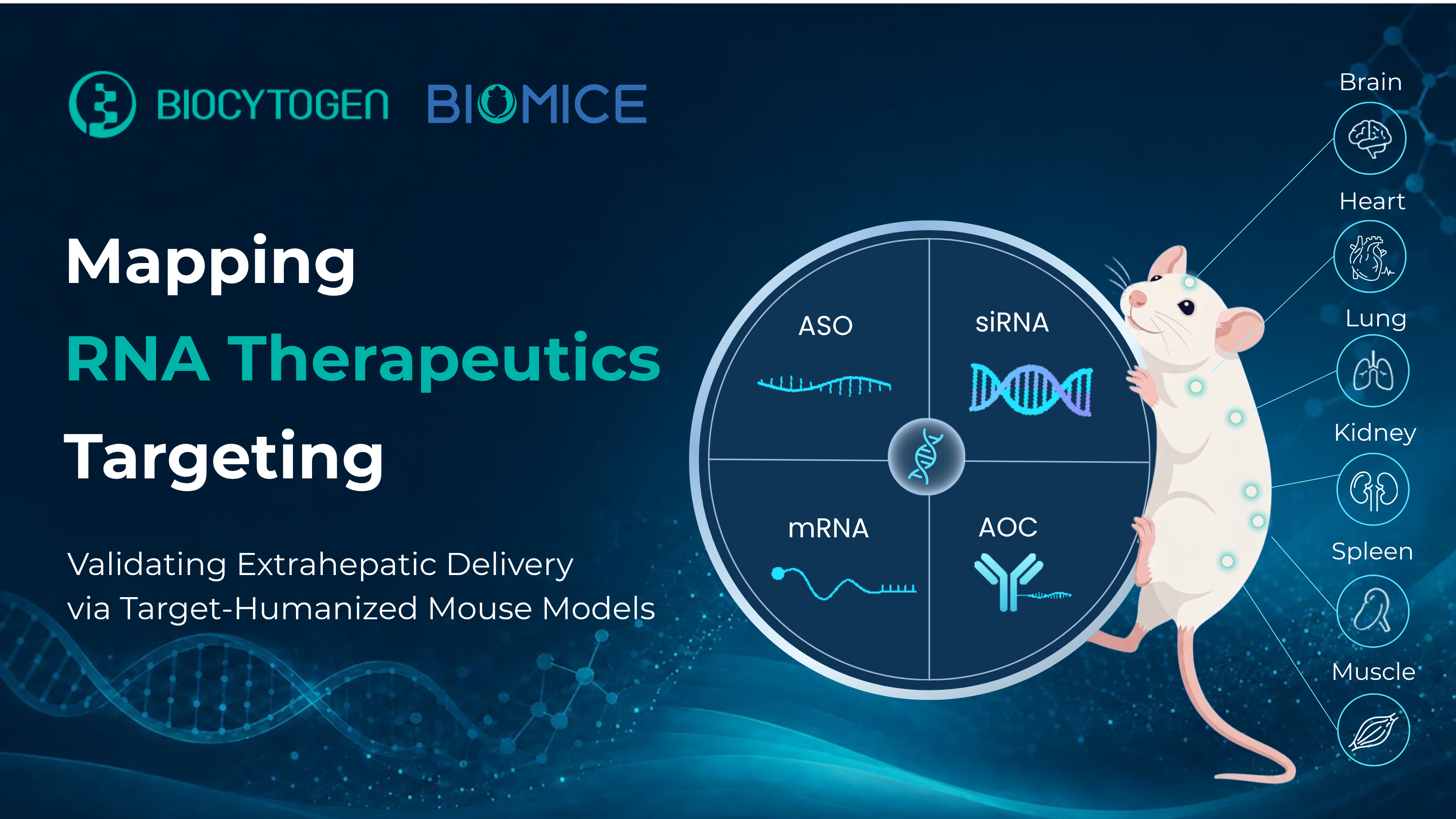
As the RNA therapeutic toolbox continues to expand, the field is moving beyond “what RNA can do” toward a harder question: where RNA drugs can go. From mRNA to oligonucleotides and emerging RNA-editing approaches, RNA-based drugs offer a flexible way to modulate disease biology at the genetic and transcriptomic level. As illustrated in figure below, today’s RNA therapeutic landscape has evolved into a broad toolbox of RNA-targeting and RNA-based strategies, supported by key chemical modifications and increasingly diverse delivery platforms.
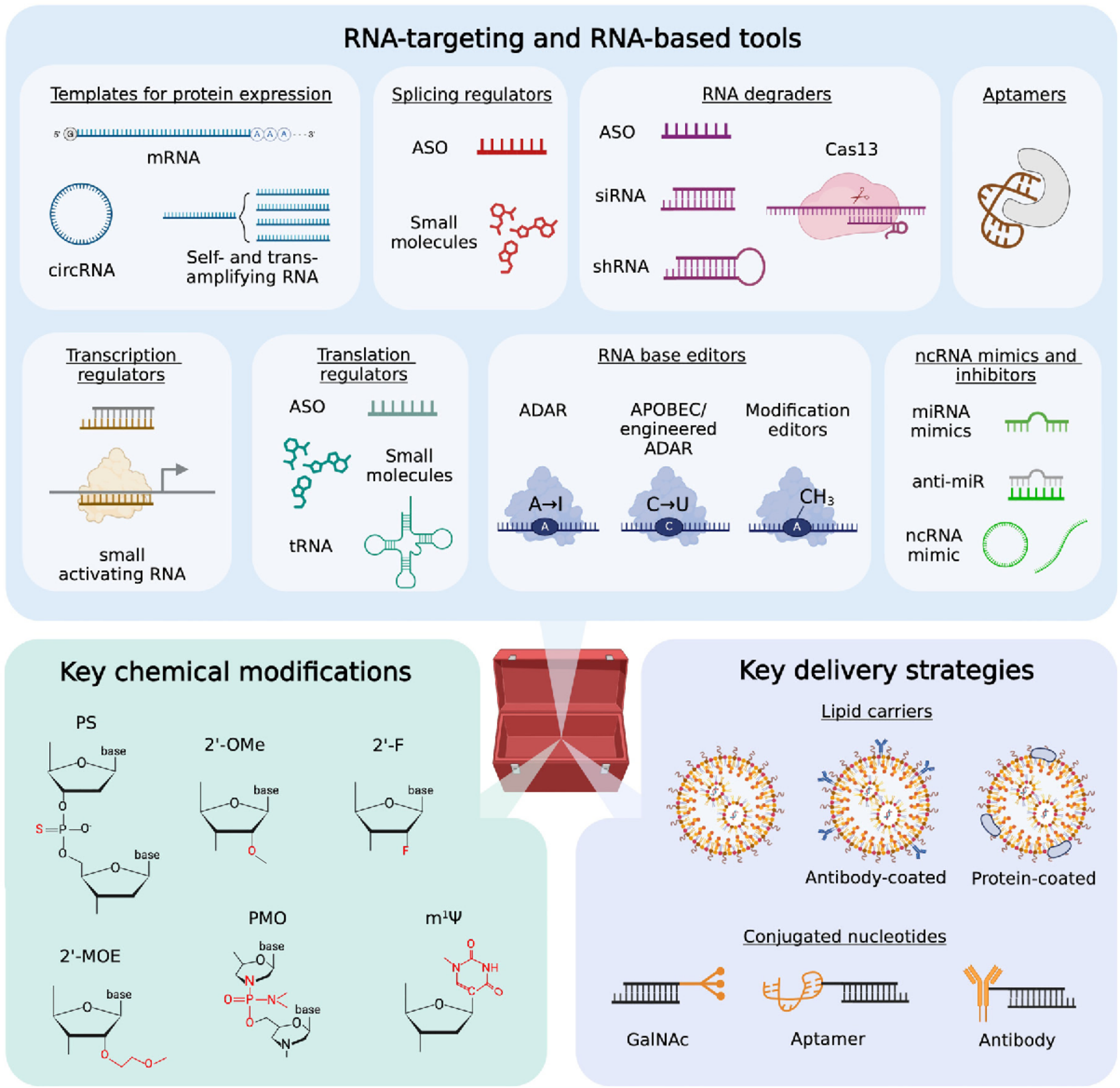
Overview of the RNA therapeutics toolbox. (Teng et al. 2024)
However, for many RNA therapeutics, the key challenge remains achieving sufficient exposure in the intended target tissue. Because liver uptake often dominates systemic distribution, drug availability in extrahepatic tissues such as skeletal muscle, peripheral nerve, and the central nervous system can be limited, reducing target engagement and pharmacodynamic activity. To address this challenge, delivery technologies are being optimized to improve tissue access and redirect RNA payloads toward disease-relevant sites.
► Lipid nanoparticles (LNPs): By protecting RNA payloads from degradation and facilitating efficient cellular uptake, LNPs have become one of the most widely used delivery systems for RNA therapeutics, particularly in mRNA- and siRNA-based applications. However, conventional LNPs are often associated with hepatic distribution, driving continued efforts to engineer next-generation LNPs with improved stability, tissue selectivity, and extrahepatic delivery potential. One example is Capstan Therapeutics’ antibody-functionalized LNP platform, which is designed to deliver anti-CD19 CAR mRNA selectively to CD8+ T cells.
► Antibody–oligonucleotide conjugates (AOCs): AOCs represent another targeted delivery strategy by linking oligonucleotide payloads to antibodies that recognize cell-surface receptors. Avidity’s AOC platform highlights how this design can support receptor-mediated uptake and improve target-tissue delivery. This approach can help guide RNA payloads toward specific tissues or cell types through receptor-mediated uptake, making AOCs especially relevant for extrahepatic indications such as skeletal muscle, peripheral nerve, and CNS diseases.
Building on this rationale, a growing range of cell-surface receptors is being exploited across AOC and targeted LNP platforms to achieve tissue- and cell-selective delivery. Key examples include TfR1 (CD71) for muscle and CNS targeting; CD98hc (SLC3A2), IGF1R, and insulin receptor (INSR) for transport across the blood–brain barrier; and CD5, CD7, and CD3 for targeted immune cell engineering.
Despite these advances, species-specific differences in receptor expression, binding, internalization, and intracellular trafficking can significantly impact delivery efficiency, limiting the predictive value of conventional mouse models for human receptor-targeted RNA therapeutics. Biocytogen's target-humanized disease models address this challenge by combining human target expression with disease-relevant phenotypes, enabling translational in vivo evaluation of receptor-mediated delivery, target gene knockdown, and pharmacodynamic responses. Supported by our comprehensive pharmacology platform, these models provide an integrated framework for assessing nucleic acid therapeutics from target engagement and biodistribution to functional efficacy.
Biocytogen’s model portfolio spans a broad range of neuromuscular disorders, including Duchenne muscular dystrophy (DMD), myotonic dystrophy type 1 (DM1), and Charcot–Marie–Tooth disease type 1A (CMT1A). Target-humanized disease models such as B-hDMPK/hTFR1, B-Tg(hPMP22)/hTFR1 and B-Tg(hPMP22) provide robust in vivo platforms for assessing human target engagement, delivery efficiency, and therapeutic efficacy, helping de-risk the development of next-generation nucleic acid therapeutics.
• Inhibitory efficiency of the antibody oligonucleotide conjugates drug in heterozygous B-hTFR1/hDMPK mice
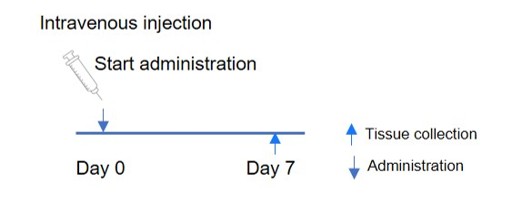
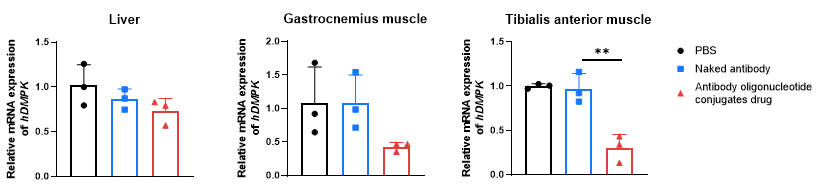
The inhibitory efficiency of the AOC drug against human DMPK in heterozygous B-hTFR1/hDMPK mice. The antibody oligonucleotide conjugates drug (in-house), naked antibody (in-house) and PBS were administered to the heterozygous B-hTFR1/hDMPK mice individually on day 0. The mice were sacrificed on day 7, and the liver, gastrocnemius muscle and tibialis anterior muscle were collected to detect the expression level of human DMPK mRNA by qPCR. Values are expressed as mean ± SEM.
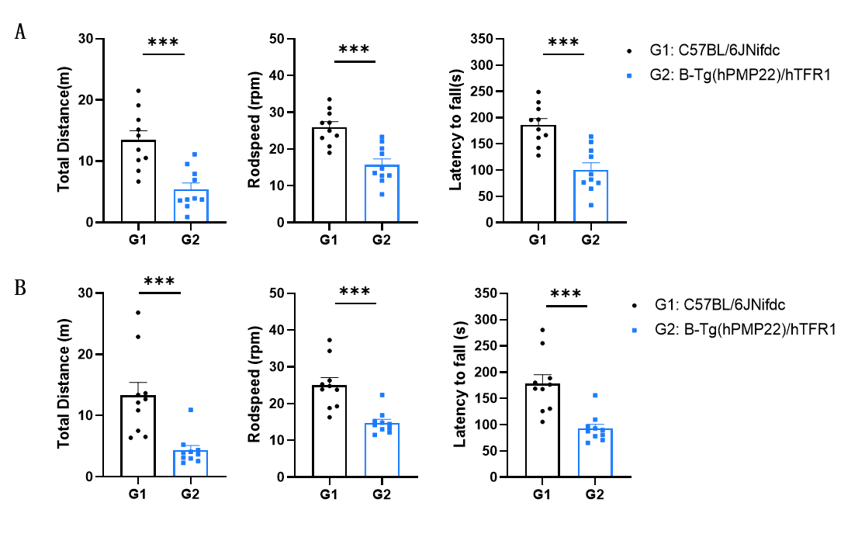
Behavioral performance in wild-type C57BL/6JNifdc and B-Tg(hPMP22)/hTFR1 mice. Rotarod tests were conducted to assay the behavioral performance in wild-type C57BL/6JNifdc and B-Tg(hPMP22)/hTFR1 mice (4-month-old, n=10). A, female. B, male. B-Tg(hPMP22)/hTFR1 mice showed decreased fall latency, glide speed and total distance, showing motor dysfunction at 4 months of age. Values are expressed as mean ± SEM. Unpaired t-test. *P < 0.05, **P < 0.01, ***P < 0.001.
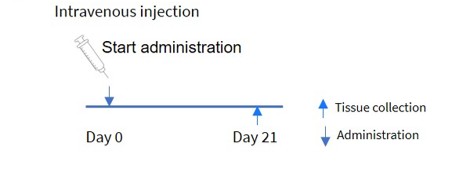
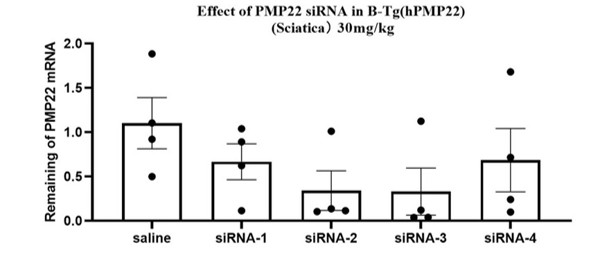
The inhibitory efficiency of the nucleic acid drugs against human PMP22 in hemizygote B-Tg(hPMP22) mice. The human PMP22 targeted nucleic acid drugs (provide by client) and saline were administered to the B-Tg(hPMP22) mice individually on day 0. The mice were sacrificed on day 21, and the sciatic nerve tissue was collected to detect the expression level of human PMP22 mRNA by qPCR. Values are expressed as mean ± SEM. Note: This experiment was performed by the client using B-Tg(hPMP22) mice. All the other materials were provided by the client.
As RNA therapeutics advance toward CNS applications, efficient delivery across the blood–brain barrier remains a key challenge. In neurodegenerative diseases such as Alzheimer’s disease, silencing human MAPT to reduce tau pathology is a promising therapeutic strategy, but requires effective brain uptake. By combining human TfR1-mediated delivery with human tau target biology, B-hTFR1/hTAU mice offer a translational platform to evaluate both CNS delivery and therapeutic efficacy.
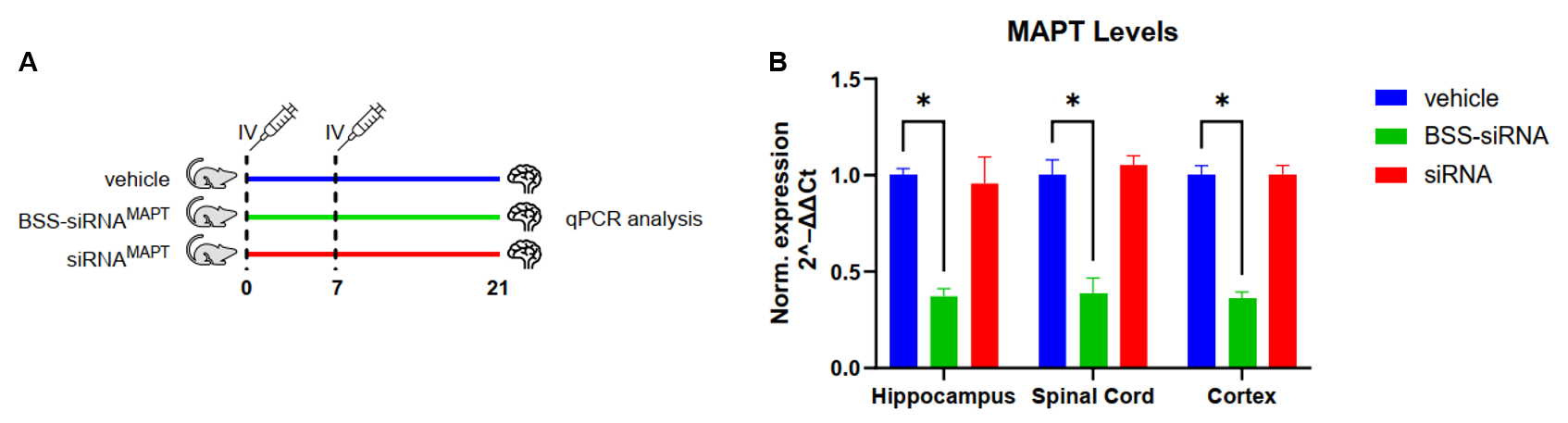
The inhibitory efficiency of the AOC drug against human MAPT in B-hTFR1/hTAU mice. B-hTFR1/hTAU mice were randomly divided into three groups (n=3/group, 7-week-old, female). The vehicle, AOC drug and oligonucleotide drug were administered to B-hTFR1/hTAU mice individually on day 0 and day 7. The mice were sacrificed on day 21, and the hippocampus, cortex and spinal cord were collected to detect the expression level of human MAPT mRNA by qPCR. (A) The schematic diagram of experimental processing. (B) The expression of human MAPT mRNA in hippocampus, cortex and spinal cord. Values are expressed as mean ± SEM. Unpaired t test. *P < 0.05.
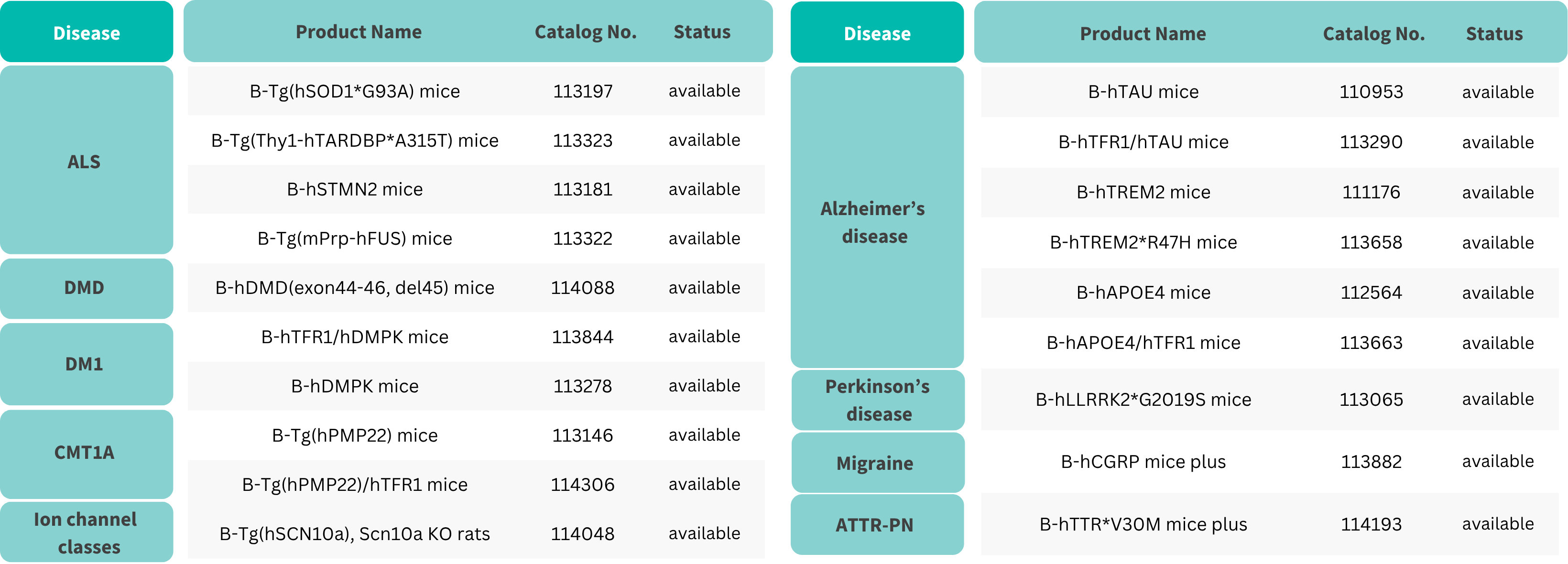
As RNA therapeutics expand into muscle, peripheral nerve, and CNS indications, researchers need translational models that can connect delivery, target knockdown, and functional outcomes. BioMice supports this workflow through disease-relevant mouse models, human target biology, functional behavior assessment, and customized model generation services. By aligning model design with specific therapeutic targets and delivery mechanisms, BioMice helps researchers build tailored preclinical strategies for next-generation RNA therapeutic programs. 👉Contact us to learn more.
Q1: Why is extrahepatic delivery important for RNA therapeutics?
Many RNA therapeutics show strong liver uptake after systemic administration, which can limit exposure in tissues such as skeletal muscle, peripheral nerve, and the CNS. For diseases driven by targets outside the liver, effective delivery must be evaluated together with target knockdown and downstream pharmacodynamic or functional outcomes.
Q2: How do AOCs support targeted RNA therapeutic delivery?
Antibody–oligonucleotide conjugates combine the targeting ability of antibodies with RNA-based payloads. By binding receptors expressed on disease-relevant cells, AOCs can support receptor-mediated uptake and help direct oligonucleotide payloads toward tissues where target engagement is needed.
Q3: Why are humanized TfR1 mouse models useful for RNA therapeutic evaluation?
TfR1-mediated delivery can be species-dependent, especially at the level of receptor binding, internalization, and tissue delivery. Humanized TfR1 mouse models help bridge this translational gap by enabling evaluation of human TfR1-targeted delivery strategies in mouse models. When combined with humanized therapeutic targets through double- or triple-humanized designs, these models support simultaneous assessment of delivery efficiency, target gene knockdown, and pharmacodynamic responses in vivo.
Q4: How can BioMice models support RNA therapeutic programs across neuromuscular and CNS indications?
BioMice combines disease-relevant and target-humanized models with comprehensive pharmacology capabilities to support translational evaluation of RNA therapeutics. By connecting key preclinical endpoints—including tissue delivery, target gene knockdown, pharmacodynamic activity, and functional outcomes—BioMice enables more predictive assessment of RNA therapeutic strategies across muscle disorders, peripheral neuropathies, and CNS diseases.