you may also like
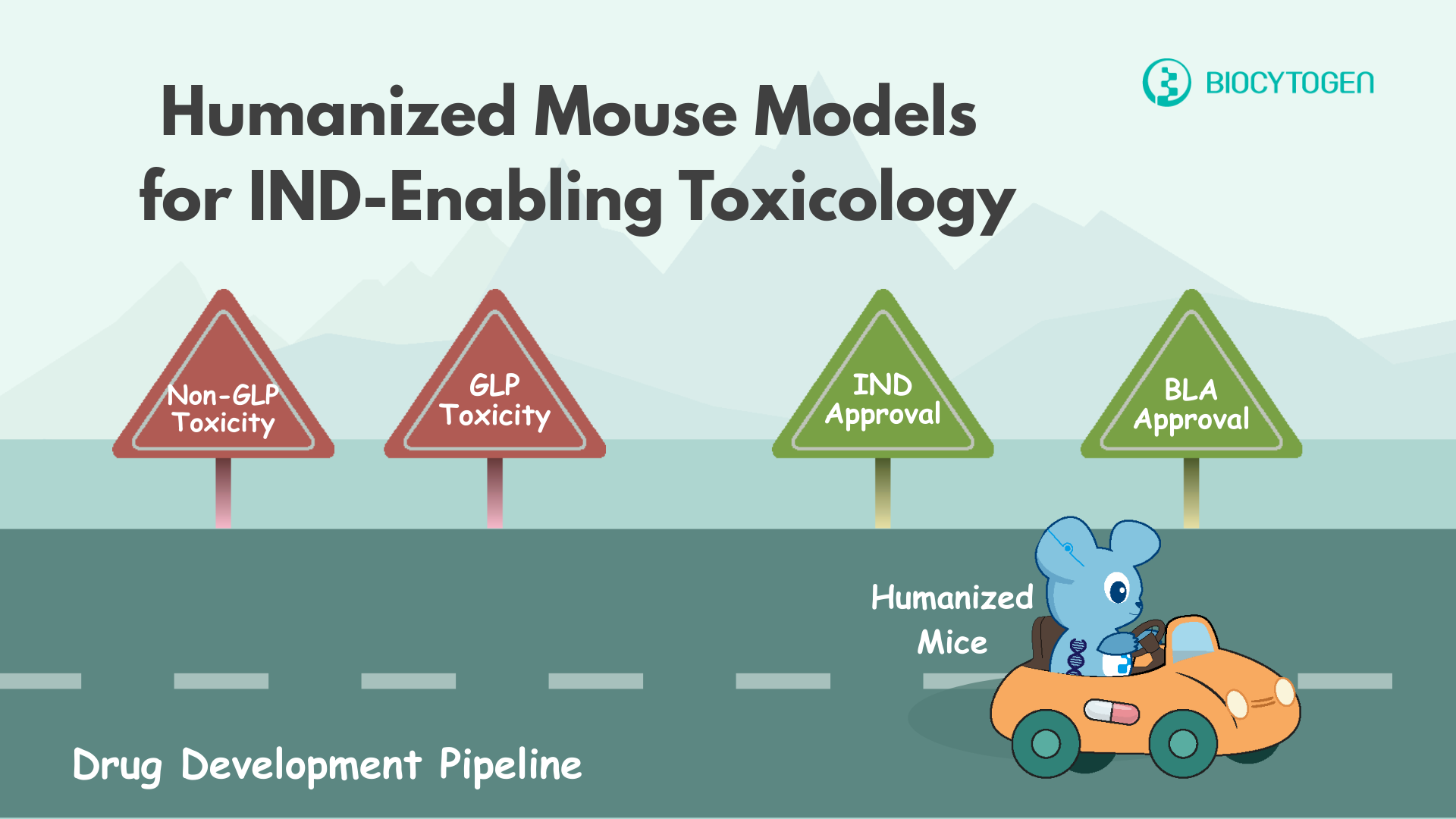
Toxicology studies are a cornerstone of drug development. They inform clinical dose selection, identify potential safety risks, and are essential for meeting regulatory requirements in IND and NDA/BLA submissions.
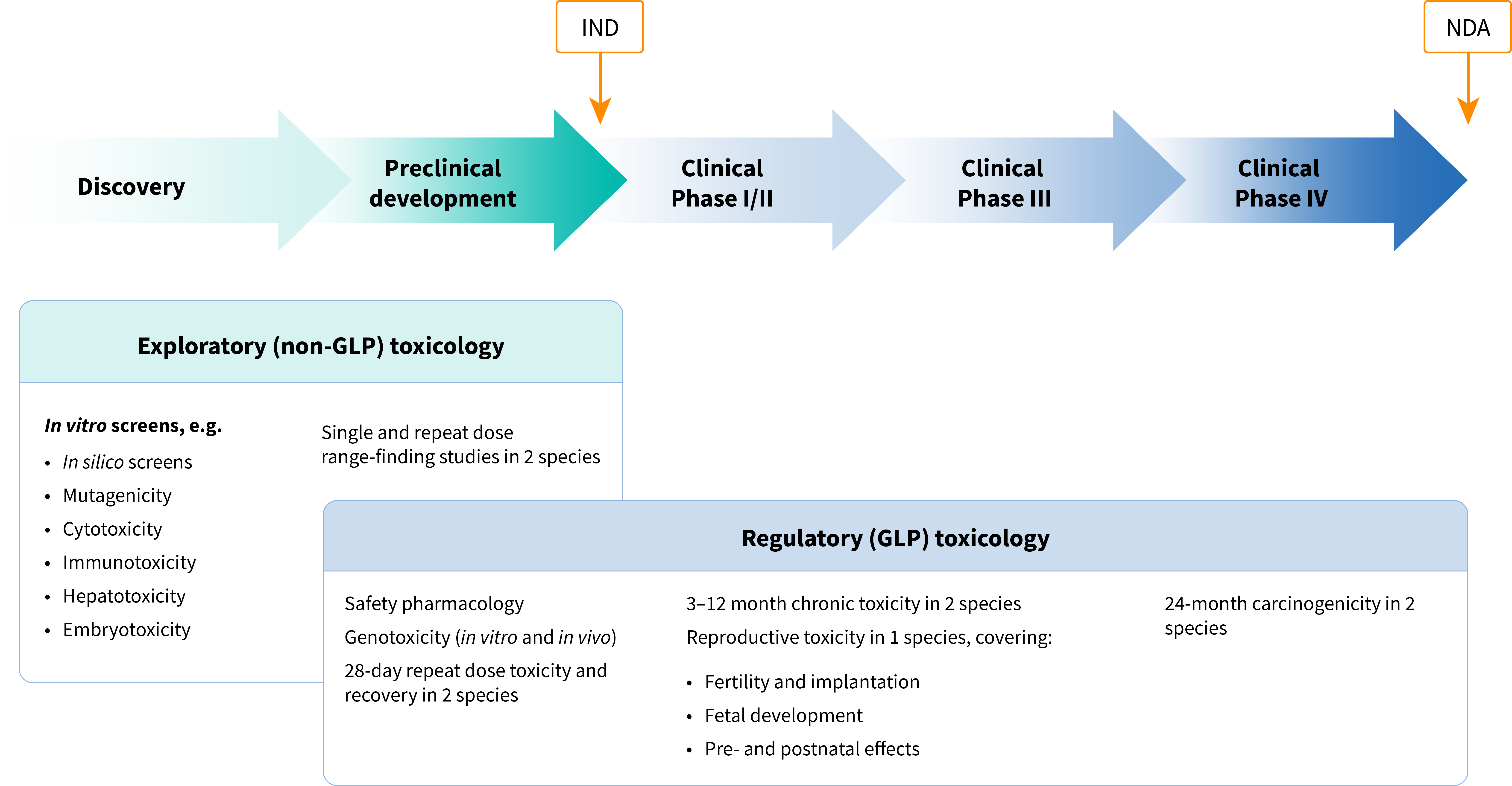
Adapted from "Rang, H.P. 2006. Drug discovery and development. Elsevier. London"
Traditionally, non-human primates (NHPs) have been widely used in preclinical toxicology. However, growing ethical concerns, high costs, and lengthy study timelines have prompted regulators and industry leaders to explore alternatives. On April 10, 2025, the FDA announced plans to reduce reliance on NHPs in toxicology studies, while recognizing drug-target humanized mouse models as valid alternatives. Reflecting this shift, the industry is increasingly adopting humanized mouse models for IND-enabling toxicology studies.
Humanized mouse models are genetically engineered to express human-specific genes, allowing researchers to test drug candidates directly against their intended human targets. Compared with NHPs, they offer multiple advantages:
By addressing both scientific and practical challenges, humanized mice provide a more efficient and human-relevant platform for toxicology evaluation.
At Biocytogen, we have pioneered the development and application of drug-target humanized mouse models for preclinical safety studies. Our models have been widely validated and adopted by pharmaceutical companies worldwide, contributing directly to regulatory filings and approvals:
Our experience and infrastructure ensure smooth integration of humanized mouse data into regulatory submissions:
Biocytogen’s technical foundation ensures quality, consistency, and reliability in toxicology research:
A recent example highlights the power of Biocytogen's humanized models in real-world drug development.
Indication: Asthma
Candidate: LQ036, an inhalable nanobody blocking IL-4Rα, a validated asthma pathway (Zhu et al. 2024)
Study Design:
Findings on LQ036 Toxicity:
Clinical Status: LQ036 has advanced into Phase IIa clinical trials in China
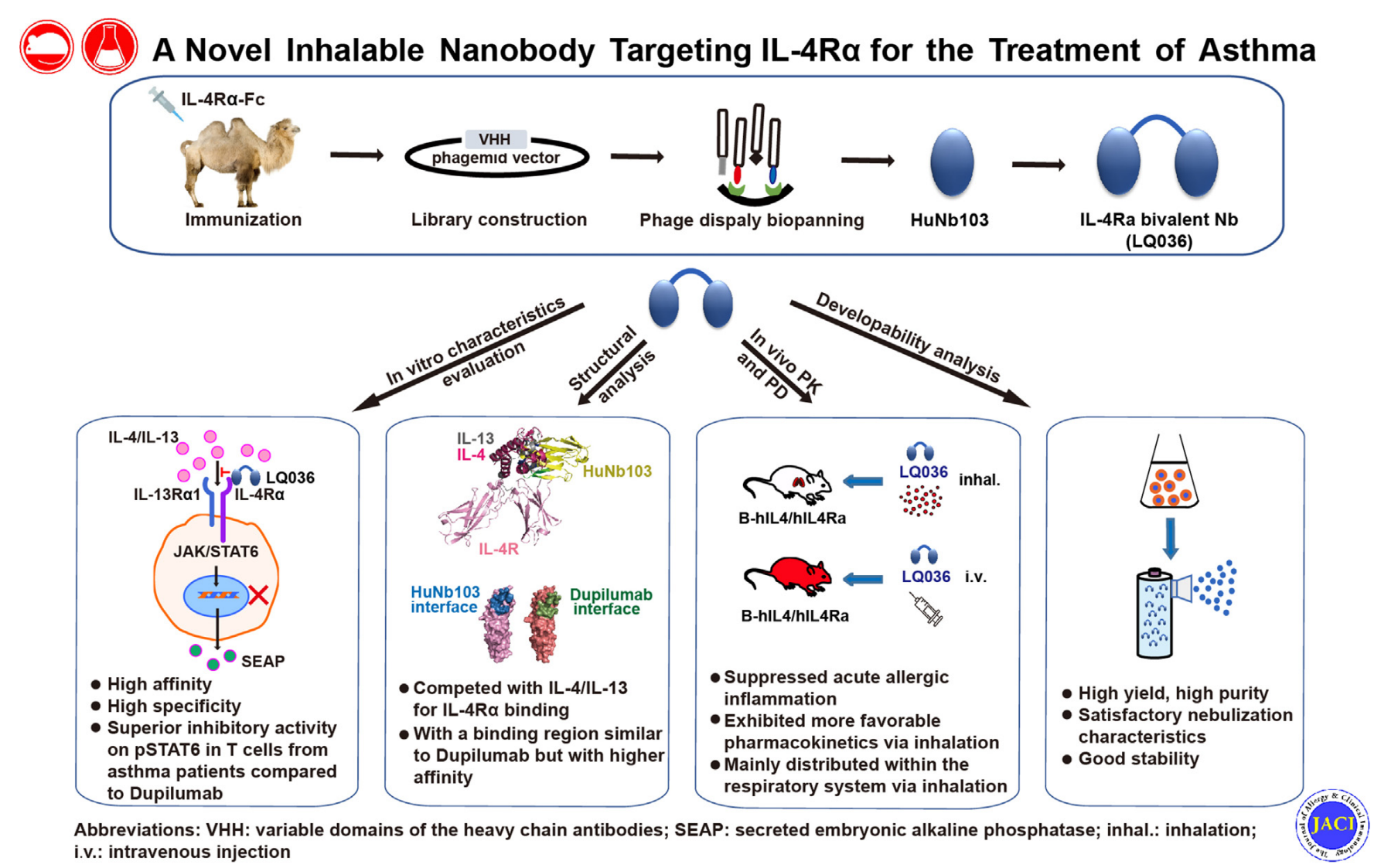
A novel inhalable nanobody targeting IL-4Rα for the treatment of asthma (Source: Zhu et al. 2024)
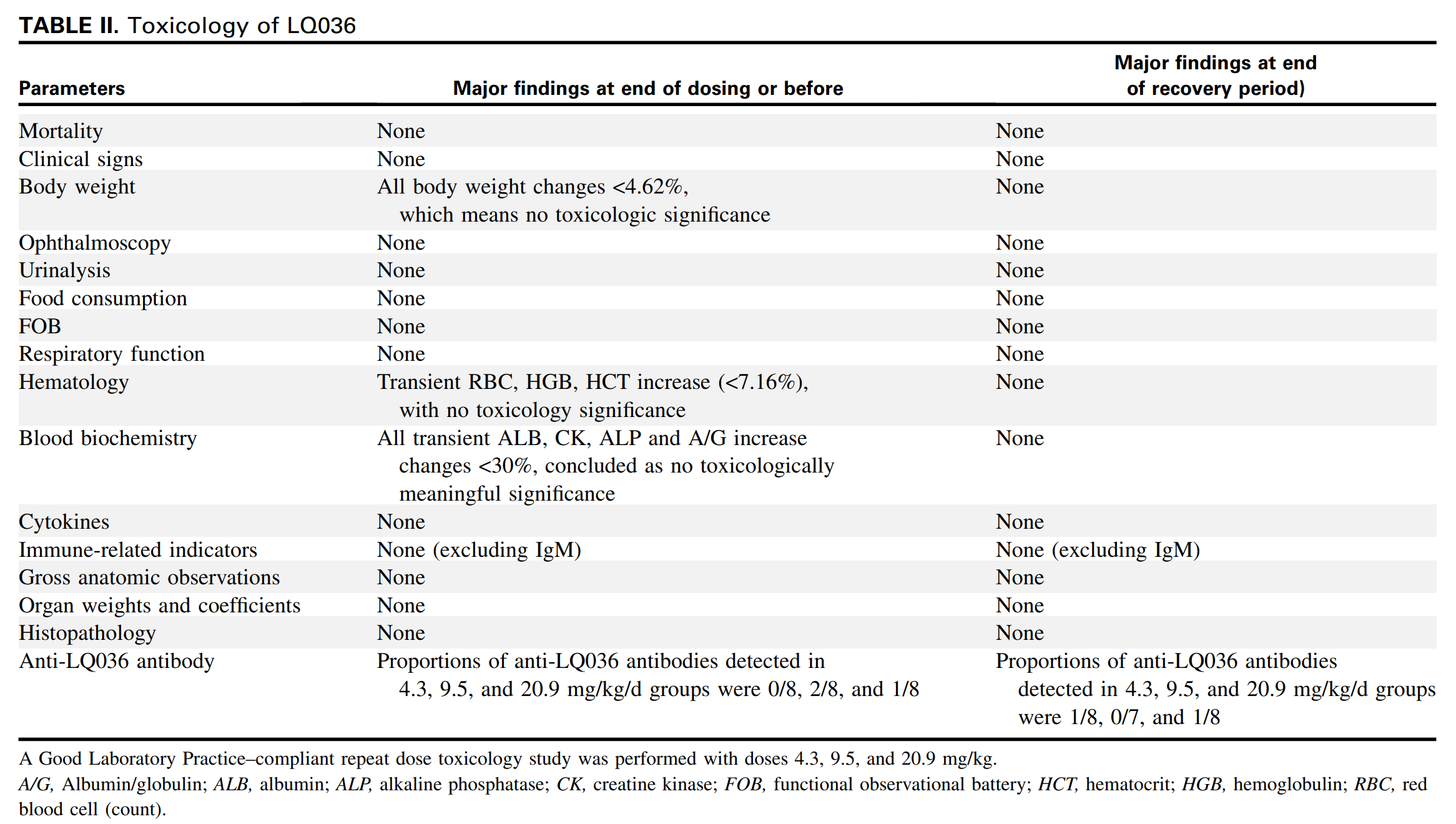
Toxicology of LQ036 (Source: Zhu et al. 2024)
Indication: Autoantibody-mediated disorders, modeled in immune thrombocytopenic purpura (ITP)
Candidate: GMA161, a humanized anti-CD16A antibody designed to block FcγRIII (CD16)–mediated clearance of platelets by autoantibodies.
Study Design: Repeat-dose toxicity study using CD16 humanized mice.
Findings:
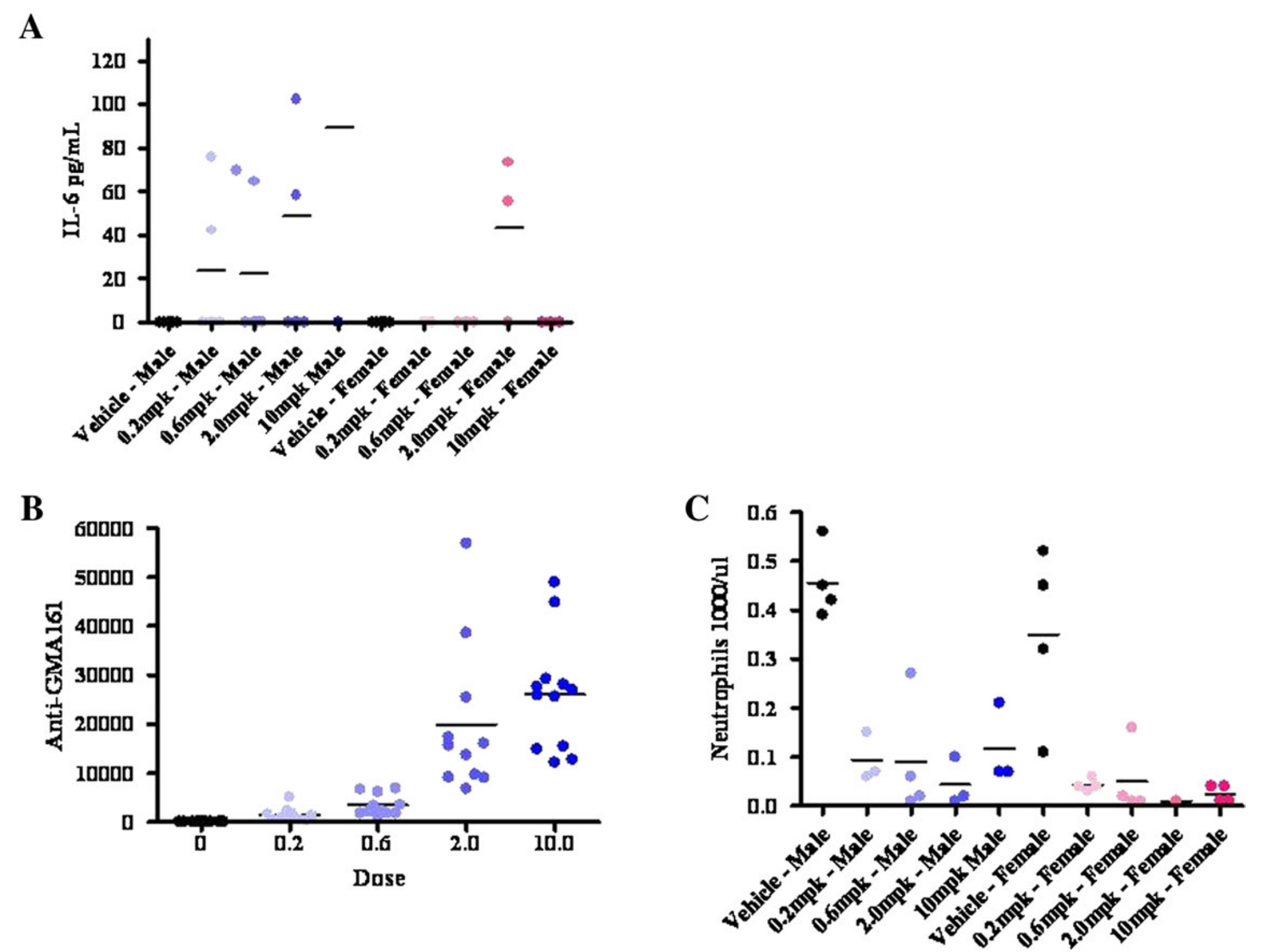
Repeated-dose toxicity of GMA161 in CD16 humanized mice (Source: Flaherty et al. 2012)
Humanized mouse models are gaining traction in regulatory toxicology. With FDA endorsement and growing adoption across the biopharmaceutical industry, they are emerging as a cost-effective and scientifically robust alternative to traditional NHP studies.
At Biocytogen, we are proud to be at the forefront of this shift. By leveraging advanced genetic engineering, validated model systems, and regulatory expertise, we help partners accelerate the path from preclinical research to clinical success.
Contact us today to streamline your IND-enabling toxicology programs with Biocytogen!
Zhu, Min, et al. "A novel inhalable nanobody targeting IL-4Rα for the treatment of asthma." Journal of Allergy and Clinical Immunology 154.4 (2024): 1008-1021.
Flaherty, Meghan M., et al. "Nonclinical evaluation of GMA161—an antihuman CD16 (FcγRIII) monoclonal antibody for treatment of autoimmune disorders in CD16 transgenic mice." Toxicological Sciences 125.1 (2012): 299-309.