you may also like
Mesothelin (MSLN) is one of the most extensively validated tumor-associated antigens (TAAs) in solid tumors and has emerged as a highly attractive target across multiple immuno-oncology modalities.
MSLN is synthesized as a precursor protein that is proteolytically cleaved into two products:
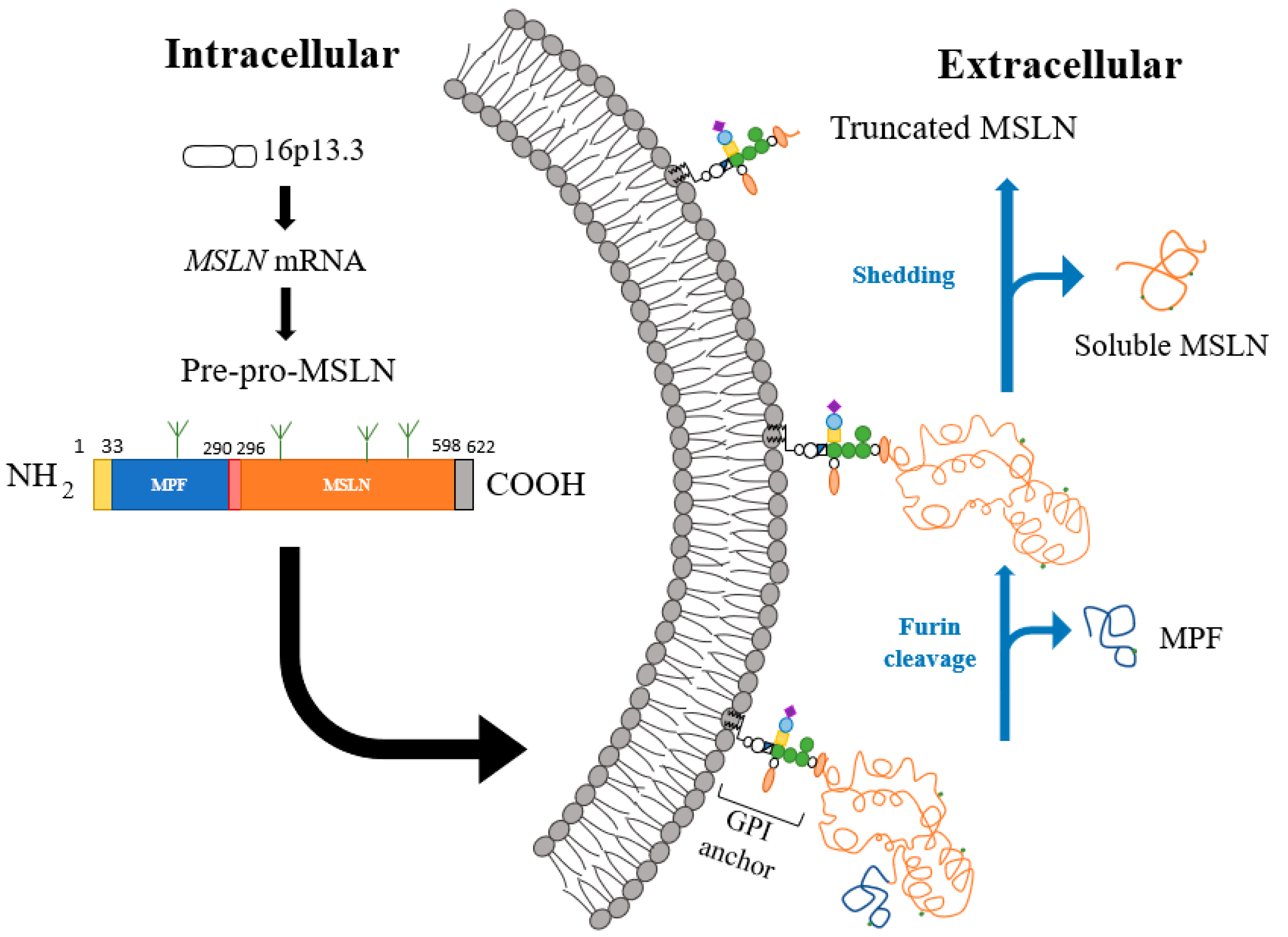
MSLN possesses several biological characteristics that are highly favorable for targeted therapeutic development:
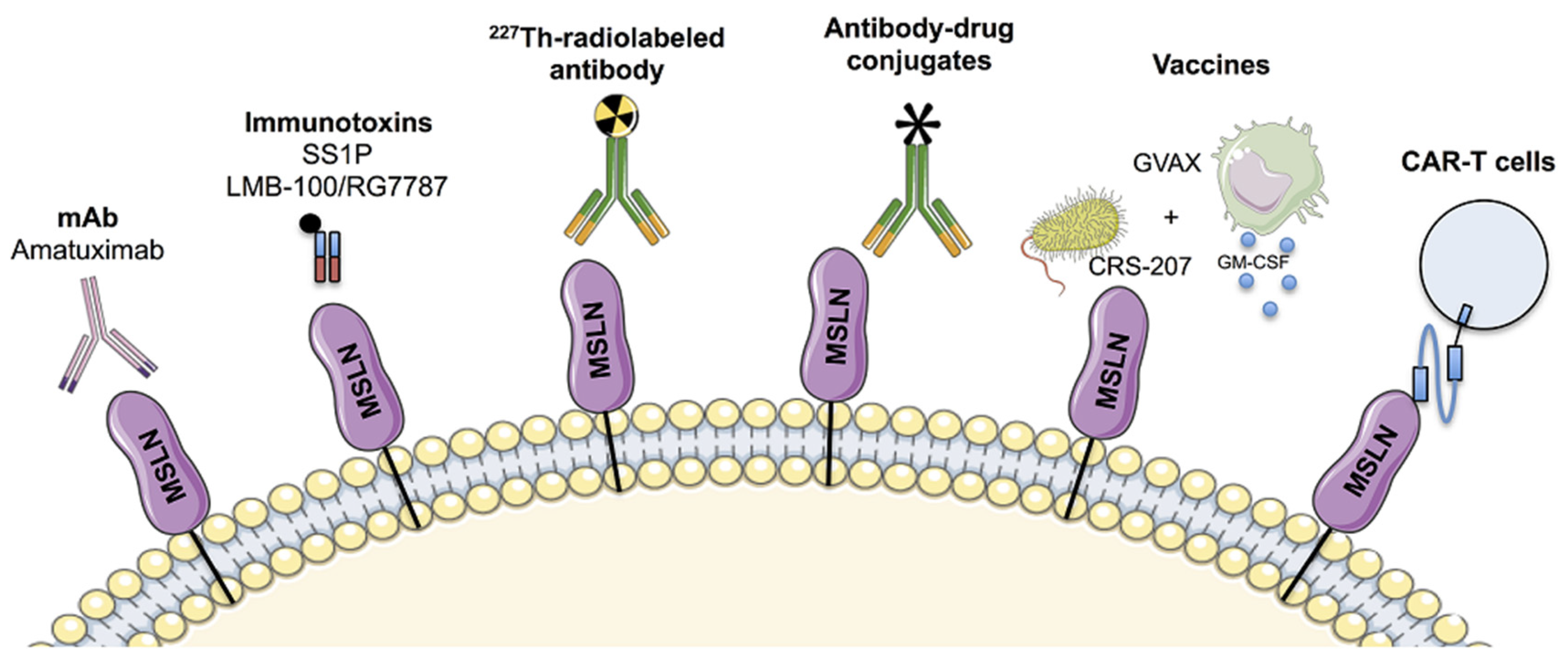
These properties have fueled rapid expansion of MSLN-directed therapeutic strategies, including:
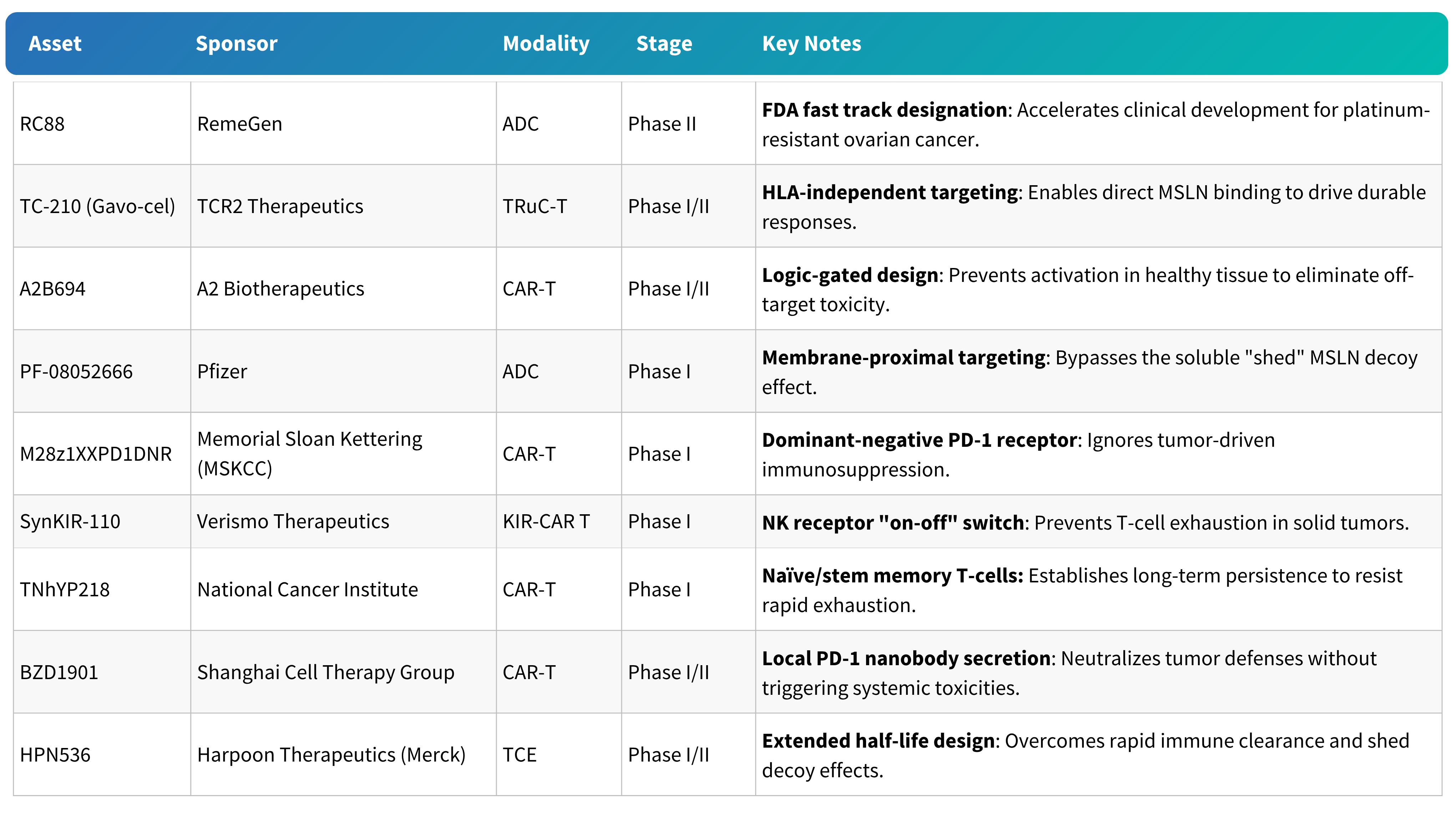 Selected MSLN-Targeted Assets in Clinical Development. (Source: ClinicalTrials.gov and public company pipelines)
1. Shed/Soluble MSLN Interference
Tumor cells actively shed MSLN into circulation. These circulating ‘decoys’ intercept and neutralize the therapeutics before they reach the tumor cells. This decoy effect significantly blunts the potency of advanced modalities including TCEs, CAR-Ts and internalization-dependent ADCs, making it a primary obstacle to achieving durable clinical responses in patients with high tumor burdens.
2. “On-Target, Off-Tumor” Toxicity
Although MSLN expression in healthy tissue is relatively limited, low-level expression on mesothelial tissue can still contribute to safety liabilities and dose-limiting toxicities. Balancing potent anti-tumor activity with acceptable tolerability remains a central challenge for developers pursuing this target.
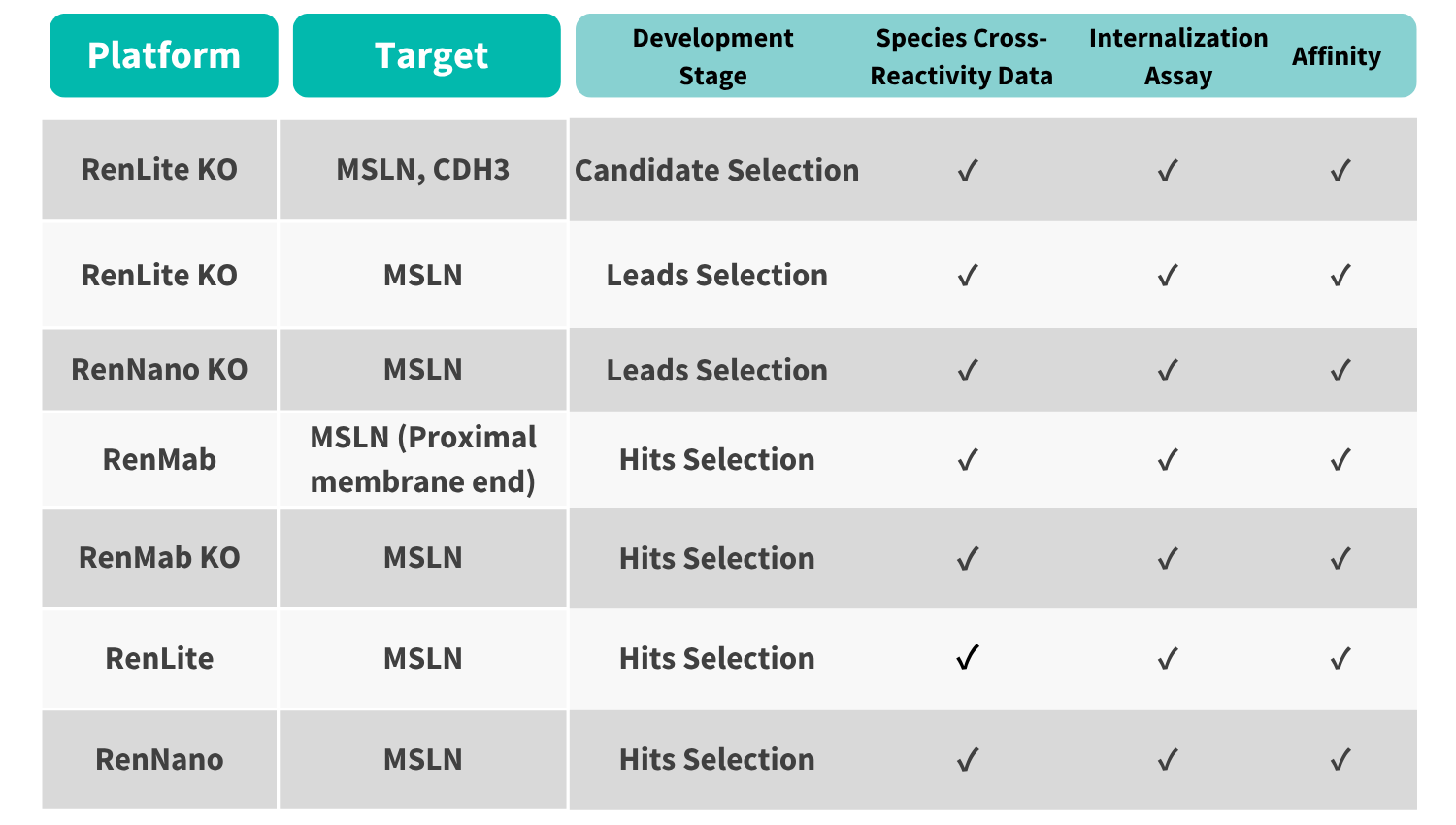
Leveraging our proprietary RenMice® platforms, Biocytogen has developed a comprehensive portfolio of fully human MSLN-targeting antibodies optimized for advanced modalities with improved developability, manufacturability, tumor selectivity, and resistance to MSLN shed decoys.
Antibodies derived from our RenMab®, RenLite®, and RenNano® platforms feature fully human variable regions, supporting:
These characteristics are particularly valuable for cell therapy and T-cell engaging applications.
We have identified high-affinity mAb clones targeting membrane-proximal epitopes of MSLN. These candidates are less susceptible to interference from circulating shed MSLN, enabling more effective tumor cell engagement within the tumor microenvironment.
Our systematic screening approach yields a diverse panel of mAbs with varied affinities and epitope specificities, enabling flexible candidate selection tailored to specific modalities and safety requirements.
Our RenLite® platform generates fully human common light chain (cLC) antibodies specifically optimized for bispecific formats such as TCEs and bsADCs. The cLC architecture minimizes light-chain mispairing, supporting:
A panel of 13 purified mAbs binding to the human MSLN juxtamembrane (membrane-proximal) region has been characterized by SPR and ELISA. Among them, 2 candidates demonstrated superior internalization in OVCAR3 and OVSAHO cancer cell lines.
Our RenLite-derived antibodies demonstrated strong binding and internalization activity. Notably, 6 candidates target membrane-proximal epitopes, supporting their potential for bsADC and TCE development.
Derived from RenNano®, 17 HCAb candidates showed strong binding activity by FACS and SPR. Of these, 15 demonstrated efficient internalization into OVCAR-3 cells within 6 hours. Additional immunization campaigns are ongoing to expand the HCAb panel.
Our fully human common light chain MSLN×CDH3 bsADC program demonstrated favorable developability and robust anti-tumor activity across multiple in vivo cancer models.
In an ovarian cancer CDX model, multiple bsADC candidates (boxed) achieved strong anti-tumor efficacy using both (A) MMAE and (B) BLD1102 linker-payload systems (Figure 1).
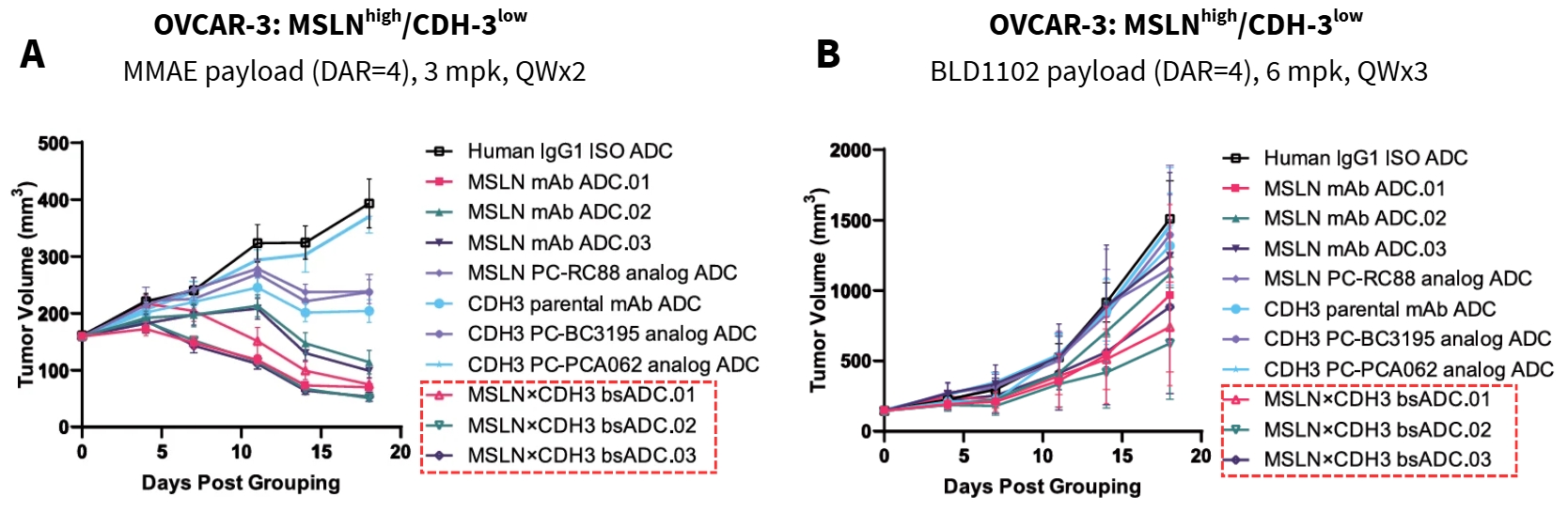
Figure 1. MSLN×CDH3 bsADC.01, bsADC.02, and bsADC.03 exhibited strongest in vivo antitumor efficacy in an ovarian cancer CDX model.
In pancreatic cancer PDX models, the same candidates with both payloads demonstrated robust tumor growth inhibition, further supporting the therapeutic potential (Figure 2).
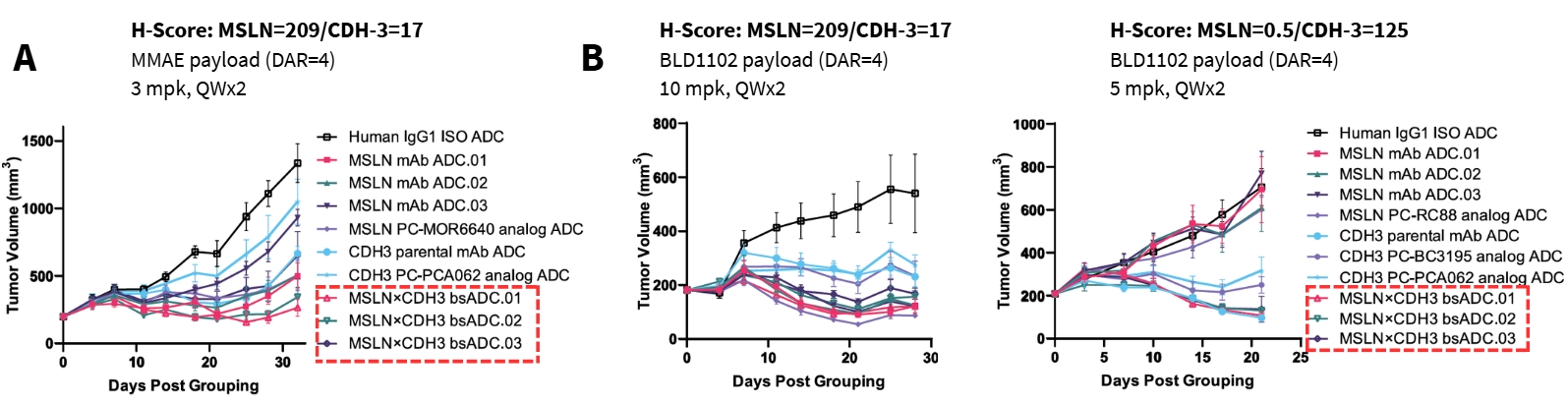
Figure 2. MSLN×CDH3 bsADC.01, bsADC.02, and bsADC.03 exhibited robust in vivo antitumor efficacy in multiple pancreatic cancer PDX models.
Mesothelin (MSLN) is a tumor-associated antigen that is highly overexpressed in several aggressive solid tumors, making it a prime biomarker for targeted oncology. High MSLN expression is predominantly found in mesothelioma, cholangiocarcinoma, ovarian, pancreatic, gastric and various forms of lung cancers.
MSLN combines three highly desirable ADC target characteristics:
Together, these features support the highly selective, precise and efficient delivery of cytotoxic payloads directly into cancer cells.
Antibodies engineered to target membrane-proximal epitopes (regions closest to the cell membrane) are significantly less susceptible to interference from shed MSLN circulating in the blood. By bypassing this decoy effect, membrane-proximal binders directly improve:
Because of these distinct advantages, membrane-proximal targeting is highly sought after for developing advanced ADCs, TCEs and CAR-T cell therapies.
Biocytogen accelerates MSLN drug development by offering a robust portfolio of fully human anti-MSLN antibodies. Discovered and optimized using our proprietary RenMice® platforms (including RenMab®, RenLite®, and RenNano®), these assets provide partners with:
This comprehensive toolkit is designed to help biotech and pharma partners fast-track the development of next-generation MSLN-targeted cancer therapies.