you may also like
Neurological disorders are escalating rapidly, reshaping global public health priorities and putting unprecedented pressure on healthcare systems, biopharma pipelines, and research innovation. From Alzheimer’s and Parkinson’s to depression, schizophrenia, and chronic pain, neurological conditions impact every level of the nervous system and affect hundreds of millions worldwide. As populations age, the burden continues to rise—especially for neurodegenerative diseases such as Alzheimer’s disease (AD), Parkinson’s disease (PD), amyotrophic lateral sclerosis (ALS) —driving the urgent need for deeper biological insights and more effective therapeutic solutions.
|
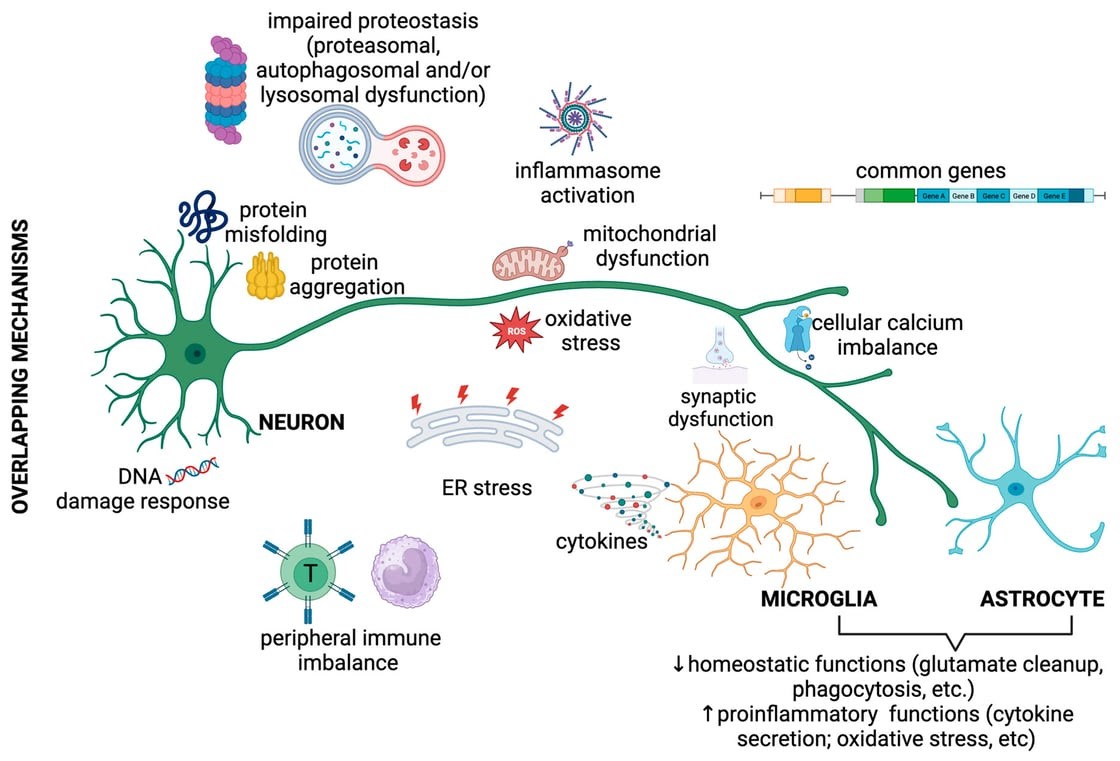 |
Shared Mechanisms in Neurodegeneration (De Marchi et al. 2023) |
Why Neurological Drug Development Remains So Challenging
These barriers highlight the need for more predictive preclinical models and stronger translational platforms.
Neurodegeneration: From Symptoms to Disease ModificationMechanistic insights are reshaping therapeutic strategies across the neurodegenerative disease landscape, shifting the focus toward interventions that address underlying disease biology rather than symptomatic management.
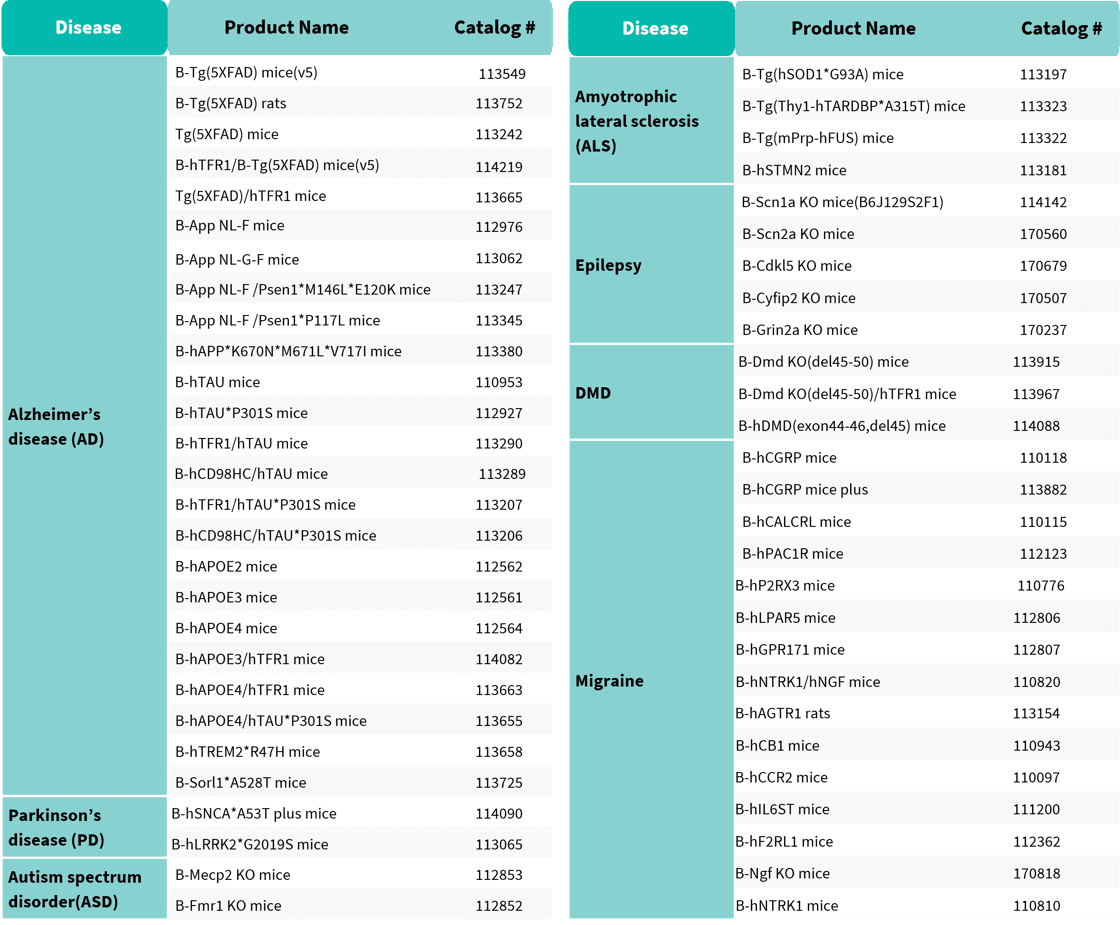
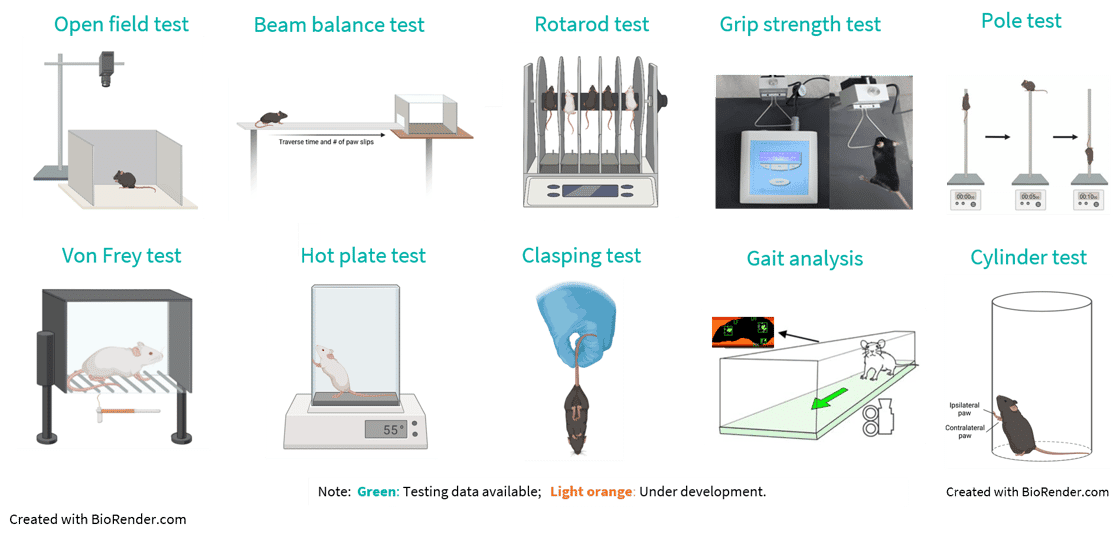
Better Models, Better TherapeuticsHigh-fidelity preclinical models remain central to understanding disease mechanisms and predicting clinical outcomes. Biocytogen leverages industry-leading gene-editing technologies to develop a broad suite of neurological disease mouse models, paired with standardized behavioral assessment platforms that measure sensory, motor, cognitive, and emotional function. These platforms—combined with our neuropathology, biomarker profiling, and inflammation analysis services—enable multidimensional phenotyping and provide more reliable translational insights across the CNS research continuum.
Case Study 1: B-App NL-G-F Mouse for AD Model |
|
Cognitive Deficits in B-App NL-G-F Mice |
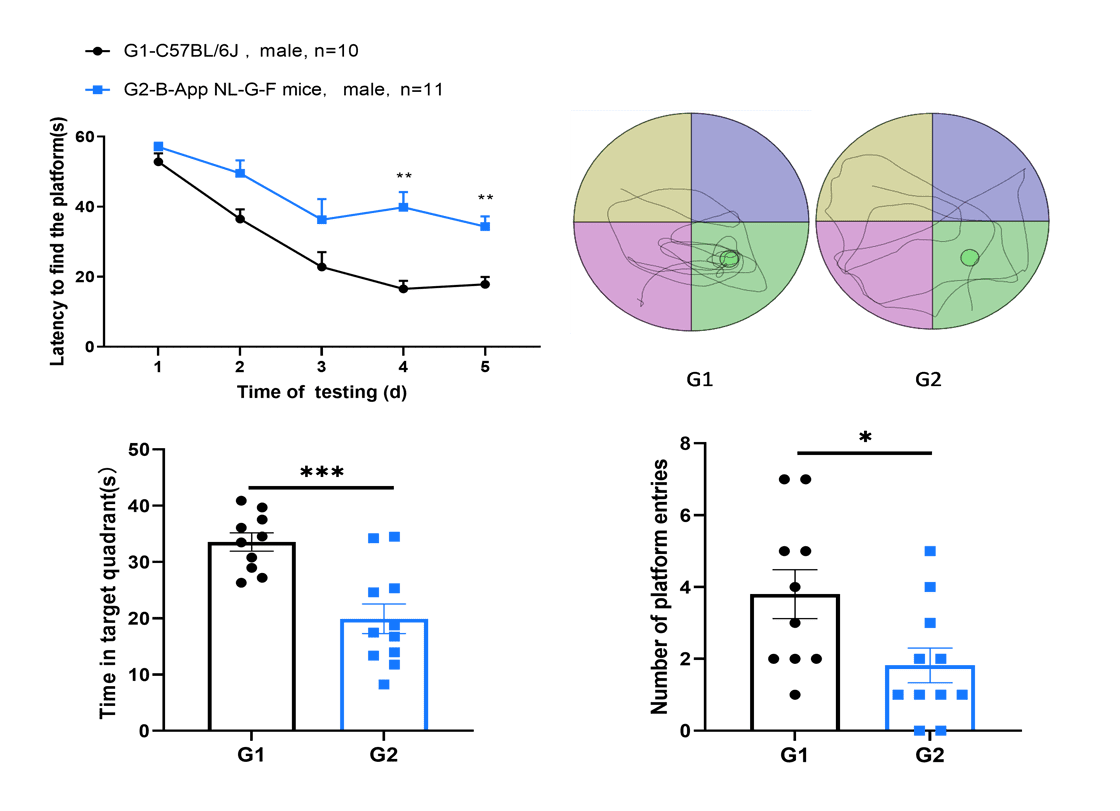 |
B-App NL-G-F mice showed significantly impaired spatial learning and memory compared with age-matched C57BL/6J controls (10–11 months) in the Morris Water Maze (MWM) test. Mean ± SEM; P* < 0.05, ** P < 0.01, *** P < 0.001. |
Case Study 2: 6-OHDA induced PD Model in Rat |
|
Motor Deficits in 6-OHDA-Lesioned Rats |
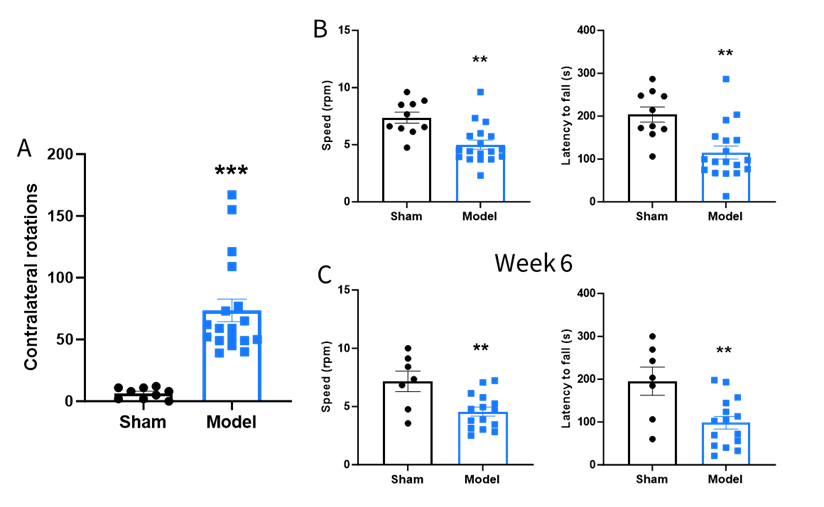 |
6-OHDA–lesioned rats showed robust contralateral rotations and marked motor deficits in the rotarod test at 2 and 6 weeks post-surgery. Apomorphine induced strong rotation (A), and rotarod performance was significantly reduced versus controls (B–C). Mean ± SEM; **P < 0.01, ***P < 0.001.
|
Biocytogen's Gene-Edited Models for Neurological Disorders |
 |
Biocytogen's Behavioral Testing Platform |
Sensory & Motor Function |
 |
Emotional & Cognitive Assessment |
 |
As neuroscience enters a new era defined by precision targeting, genetic medicine, and high-resolution disease modeling, the path from discovery to therapeutic impact grows clearer—and faster. By integrating advanced gene-edited models, comprehensive behavioral platforms, and cutting-edge validation tools, Biocytogen is empowering researchers to overcome longstanding barriers in CNS drug development and accelerate the delivery of transformative therapies to patients worldwide.
Frequently Asked Questions (FAQs)1. Why are neurological disorders increasing worldwide?Neurological disorders—such as Alzheimer’s, Parkinson’s, ALS, depression, and chronic pain—are rising due to an aging population and longer lifespans. They impact all levels of the nervous system and are now major contributors to global disability. 2. Why is CNS drug development so difficult?CNS drug development is challenged by the blood–brain barrier, complex multi-mechanistic pathology, and unvalidated drug targets. These barriers lead to high failure rates and highlight the need for more predictive preclinical and translational models. 3. What breakthroughs are shaping neurodegenerative disease treatment?Recent advances include Lecanemab for Alzheimer’s, α-synuclein immunotherapies for Parkinson’s, and Tofersen for ALS. These breakthroughs mark a shift toward disease-modifying, mechanism-driven therapies. 4. How do gene-edited models improve neurological research?Gene-edited models replicate human disease mutations, enabling more accurate studies of pathogenesis, biomarkers, and therapeutic response. They help bridge the gap between preclinical findings and clinical outcomes. 5. Why are behavioral platforms important for CNS drug evaluation?Behavioral platforms provide quantitative readouts of motor, sensory, cognitive, and emotional function, which are essential for evaluating CNS disease phenotypes. When combined with biomarker and pathology analyses, they deliver multidimensional insights that strengthen translational confidence.
Reference:De Marchi, Fabiola, et al. "Overlapping neuroimmune mechanisms and therapeutic targets in neurodegenerative disorders." Biomedicines 11.10 (2023): 2793. |