you may also like
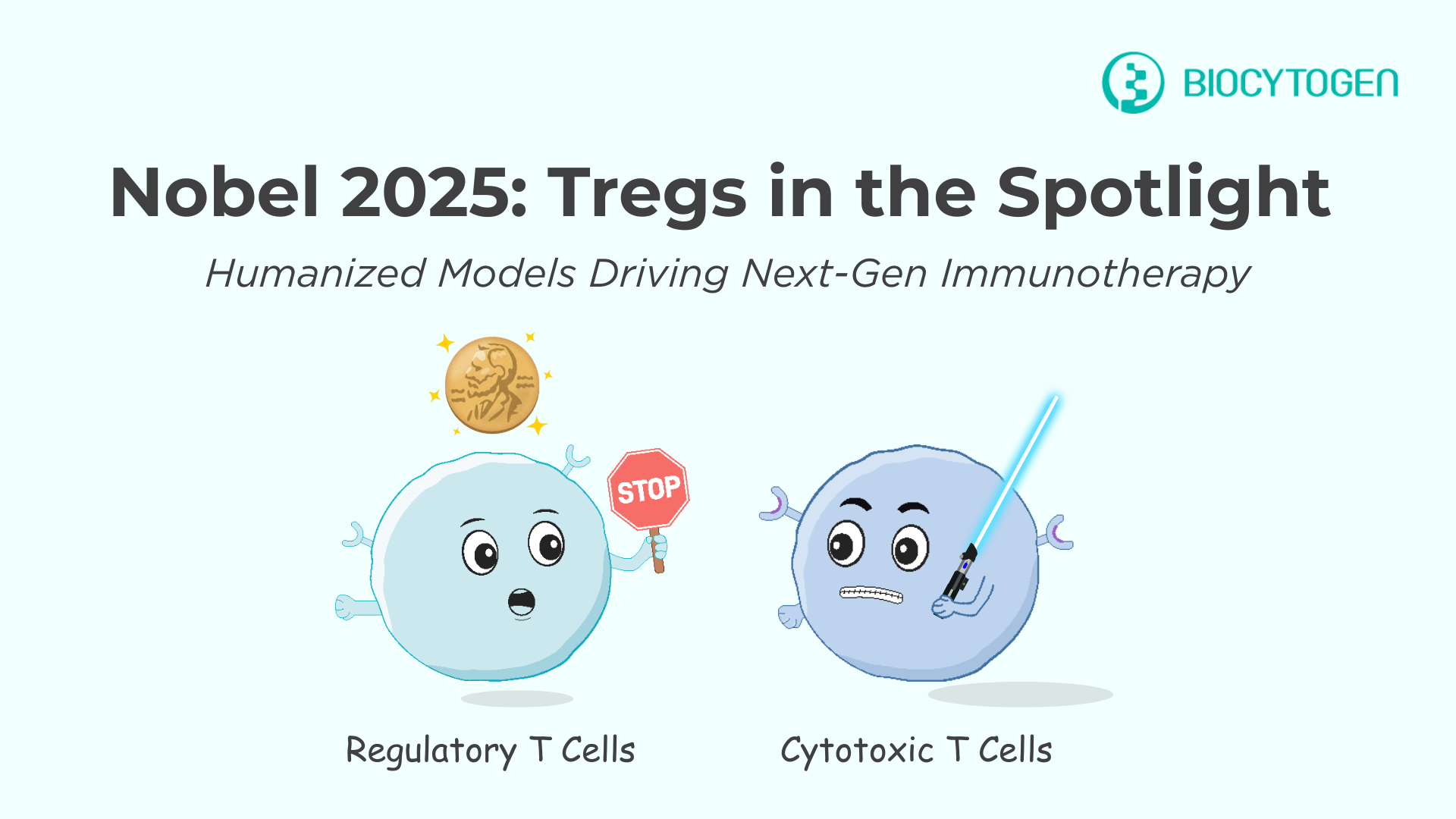
The 2025 Nobel Prize in Physiology or Medicine honors three pioneering immunologists — Mary E. Brunkow, Fred Ramsdell, and Shimon Sakaguchi — whose groundbreaking discoveries on regulatory T cells (Tregs) have transformed our understanding of immune regulation. Their work laid the foundation for novel therapeutic strategies that are reshaping the treatment landscape in autoimmunity, oncology, and transplantation.
In the mid-1990s, Shimon Sakaguchi made the pivotal observation that a subset of CD4⁺CD25⁺ T cells could suppress immune activation. By 2000, he had coined the term “regulatory T cells” (Tregs) — identifying them as the immune system’s natural peacekeepers that maintain the delicate balance between defense and tolerance.
Soon after, Fred Ramsdell and Mary E. Brunkow identified Foxp3 as the transcription factor critical for Treg development and function. Their 2001 studies revealed that Foxp3 deficiency causes severe autoimmune disorders, providing genetic proof of Tregs’ indispensable role in immune homeostasis. By 2003, Sakaguchi’s team confirmed that Foxp3 expression was exclusive to Tregs, completing a decade of groundbreaking research that has since inspired thousands of studies worldwide.
Tregs, defined by the expression of Foxp3, CD25, and CD4, function as the immune system’s “brake pedal.” By suppressing effector immune cells and secreting inhibitory cytokines, they maintain tolerance to self-antigens and prevent excessive immune responses that can lead to autoimmune diseases such as type 1 diabetes, lupus, and multiple sclerosis.
However, this suppressive function can be a double-edged sword. In cancer, Tregs accumulate within the tumor microenvironment (TME), where they inhibit anti-tumor immunity by suppressing effector T cells, dendritic cells, and macrophages. Their abundance often correlates with poor clinical outcomes, positioning Tregs as both a therapeutic challenge and an opportunity in oncology.
Tumor-infiltrating Tregs express elevated levels of CD25, CTLA-4, ICOS, LAG-3, TIGIT, and members of the TNF receptor superfamily such as GITR, 4-1BB, and OX40 — all of which have emerged as promising therapeutic targets for selectively depleting or reprogramming Tregs in tumors.
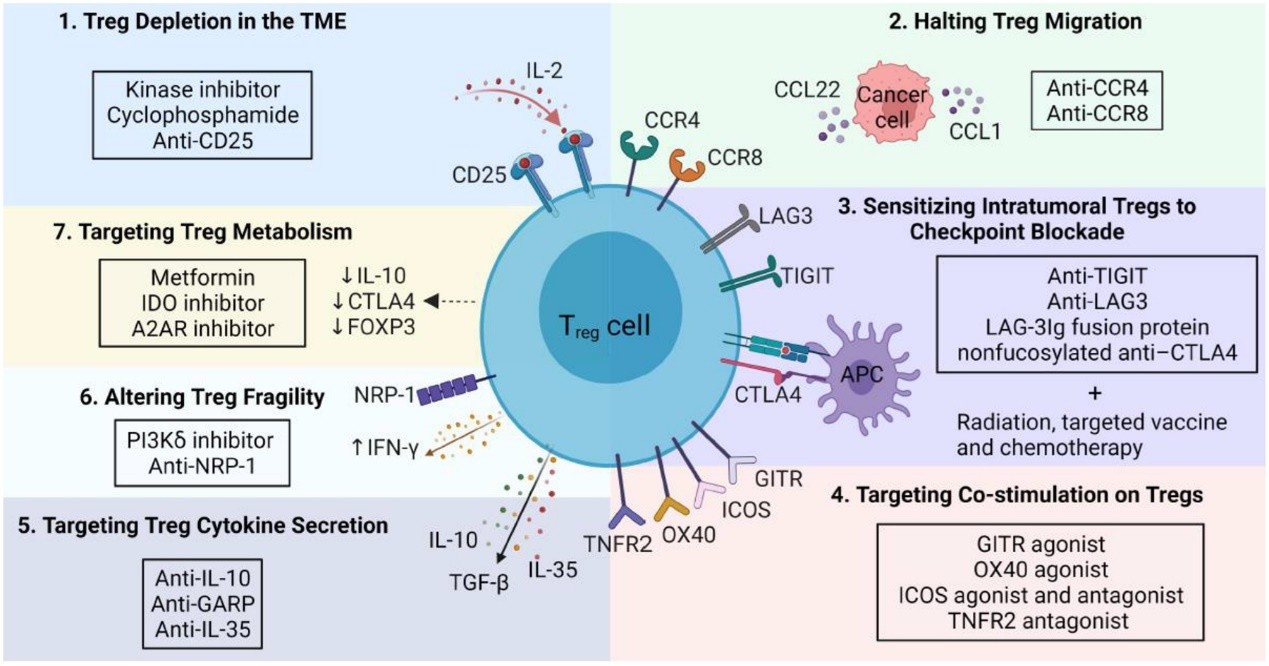
Treg-targeted Anti-tumor Therapies (Shan et al. 2022)
A notable example is ipilimumab, the first CTLA-4 inhibitor approved for cancer therapy. While it enhances anti-tumor immunity partly through intratumoral Treg reduction, its systemic immune-related toxicities underscore the need for more targeted strategies.
One such emerging target is CCR8, a receptor enriched in tumor-infiltrating Tregs. Modulating CCR8 could destabilize Tregs within tumors while preserving systemic tolerance — a strategy currently being explored in preclinical and clinical pipelines.
The development of Treg-modulating therapies depends on advanced preclinical models that faithfully recapitulate human target engagement and signaling.
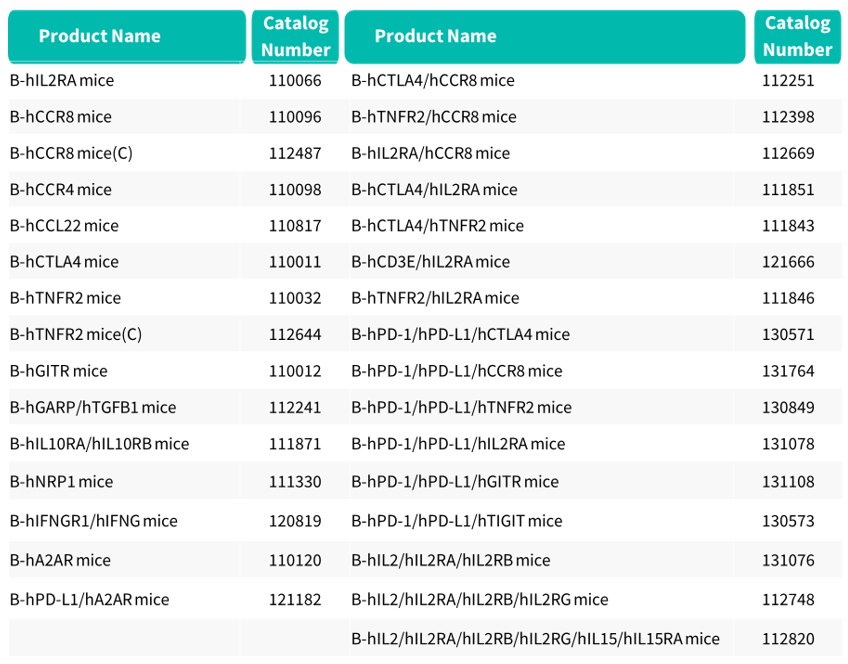
Biocytogen’s suite of target-humanized mouse models — including humanized CD25, CTLA-4, ICOS, LAG-3, TIGIT, GITR, OX40, and CCR8 mice — provides robust platforms to evaluate drug efficacy, pharmacodynamics, and safety. By closely mimicking human target biology, these models accelerate the translation of Treg-targeted discoveries into clinical candidates for both cancer immunotherapy and autoimmune disease research.
In PD-1/PD-L1/CCR8 triple humanized mice, the combination of anti-human PD-1 and anti-human CCR8 antibodies resulted in superior tumor suppression compared to monotherapies, with no adverse body weight changes — supporting the potential of dual checkpoint and Treg modulation strategies.
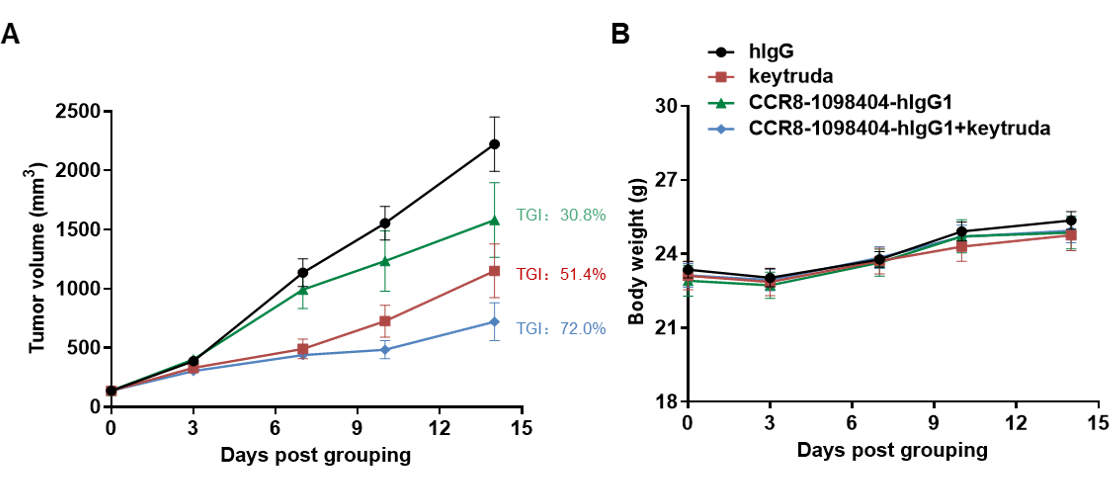
Synergistic Antitumor Effect of PD-1 and CCR8 Blockade in Humanized Mouse Model
Similarly, in CTLA4/CCR8 dual humanized mice, the combined blockade of CTLA-4 and CCR8 demonstrated robust anti-tumor activity against MC38 tumors (Client-provided data), further validating Biocytogen’s models as powerful preclinical platforms for immuno-oncology drug development.
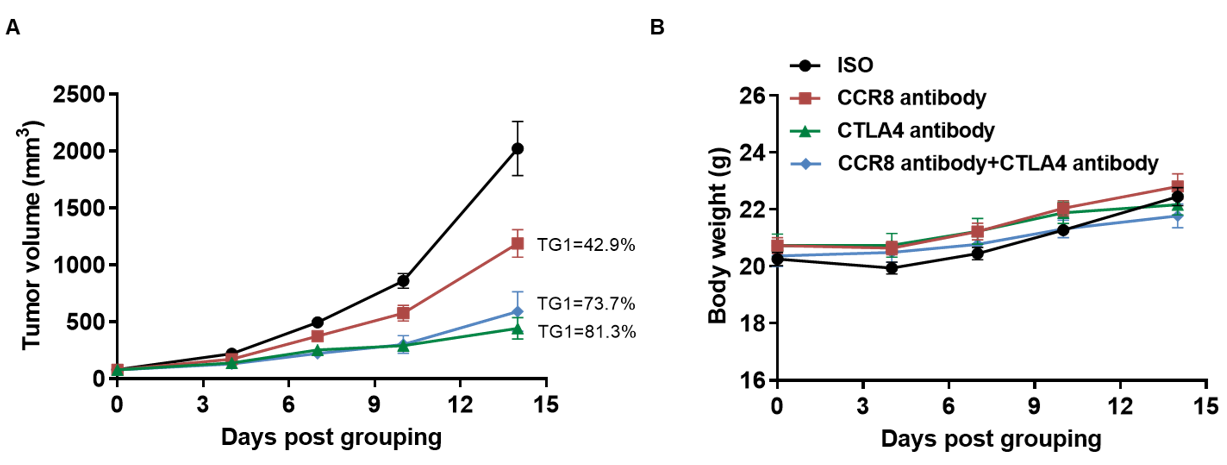
Enhanced Tumor Control Through Dual CTLA-4 and CCR8 Blockade in Humanized Mouse Model
Using Biocytogen’s humanized IL2RA (CD25) mice, researchers demonstrated the anti-tumor efficacy of anti-CD25 antibodies (BA9 and BT942) in an MC38 colon tumor model during both early and late treatment phases. Significant tumor growth inhibition and favorable CD8⁺/Treg ratios were observed, highlighting the model’s utility for studying Treg-targeted therapies (Song et al. 2021).
The evolution of Treg biology — from its discovery to clinical translation — exemplifies the power of basic immunology in driving therapeutic innovation. The future lies in achieving precision modulation: suppressing Tregs where they impede anti-tumor immunity, while enhancing them where they prevent autoimmunity.
In the symphony of the immune system, Tregs act as the conductor maintaining harmony. This year’s Nobel recognition not only celebrates decades of visionary research but also underscores a timeless principle — that balance, not just activation, holds the key to curing disease.
Regulatory T cells (Tregs) are a specialized subset of CD4⁺ T cells that express Foxp3 and CD25 (IL2RA). They play a vital role in maintaining immune balance by suppressing overactive immune responses and preventing autoimmune diseases. Dysregulation of Tregs can lead to either immune overactivation (autoimmunity) or excessive suppression (tumor immune escape).
Tregs are often abundant in the tumor microenvironment, where they suppress anti-tumor immune activity by inhibiting effector T cells. This makes them a major barrier to effective cancer immunotherapy. Targeting Tregs through immune checkpoint molecules such as CTLA-4, PD-1, and CCR8 can help restore immune activity and enhance anti-tumor responses.
IL2RA (also known as CD25) is a key surface marker and functional component of the IL-2 receptor complex on Tregs. It is essential for Treg survival and activity. Blocking or modulating IL2RA can selectively deplete or reprogram Tregs, making it a promising target for Treg-focused cancer immunotherapies.
Biocytogen’s humanized mouse models, such as B-hIL2RA, B-hPD-1/hPD-L1/hCCR8, and B-hCTLA4/hCCR8, express human immune checkpoint molecules. These models enable in vivo testing of human-target antibodies, allowing researchers to evaluate efficacy, safety, and mechanism of action for next-generation Treg-modulating and checkpoint-blocking drugs.
By integrating humanized immune targets and validated preclinical disease models, Biocytogen provides powerful platforms for antibody discovery, pharmacology, and translational research. These models help bridge the gap between basic Treg biology and clinical application, helping scientists develop safer and more effective immunotherapies.
Shan, Feng, et al. "Therapeutic targeting of regulatory T cells in cancer." Trends in cancer 8.11 (2022): 944-961.
Song, Deyong, et al. "Two novel human anti-CD25 antibodies with antitumor activity inversely related to their affinity and in vitro activity." Scientific reports 11.1 (2021): 22966.