you may also like
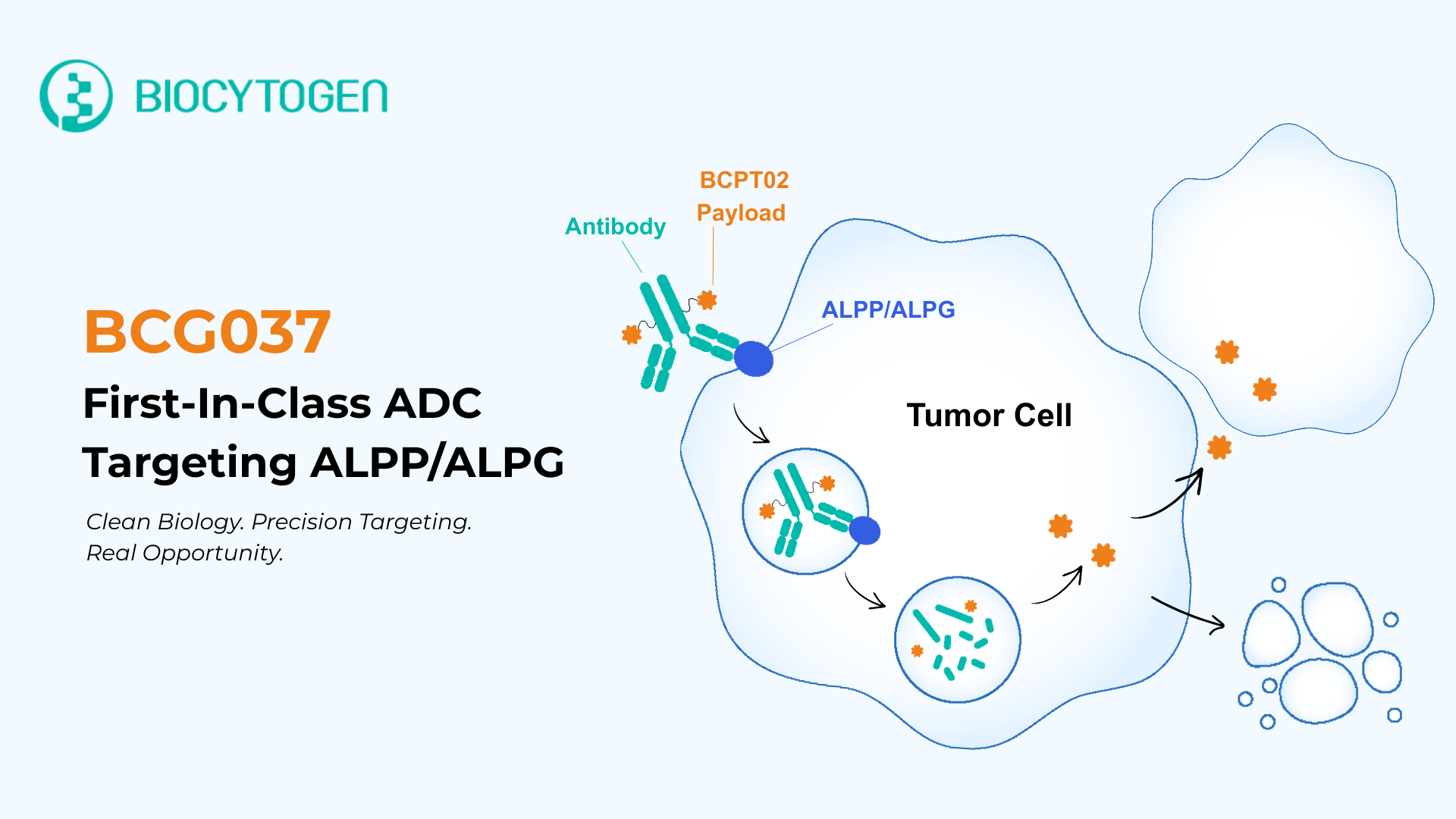
Despite advances in targeted oncology, patients with ALPP/ALPG-expressing solid tumors—including gastric, pancreatic, and other aggressive malignancies—continue to face poor outcomes and limited treatment options. These tumors are frequently refractory to standard chemotherapy and immunotherapies, highlighting a critical need for tumor-selective targets that enable potent cytotoxic delivery without compromising safety.
ALPP and ALPG serve as ideal candidates: they are underexploited oncofetal antigens with a uniquely favorable expression profile—largely silent in normal adult tissues yet aberrantly overexpressed across multiple high-unmet-need cancers (Su et al. 2020; Basiri et al. 2021).
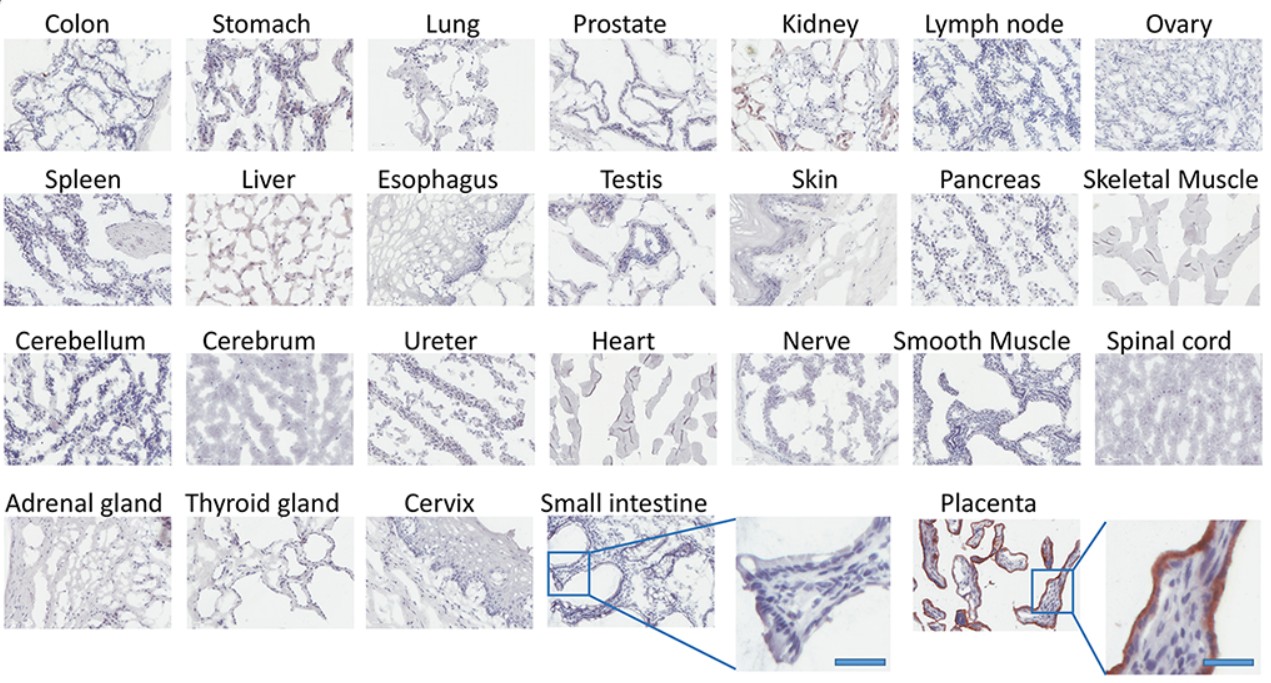
Immunohistochemistry demonstrated that ALPPL2 (ALPG) expression is largely absent across normal human tissues, with detectable expression limited to placental trophoblasts (Su et al. 2020).
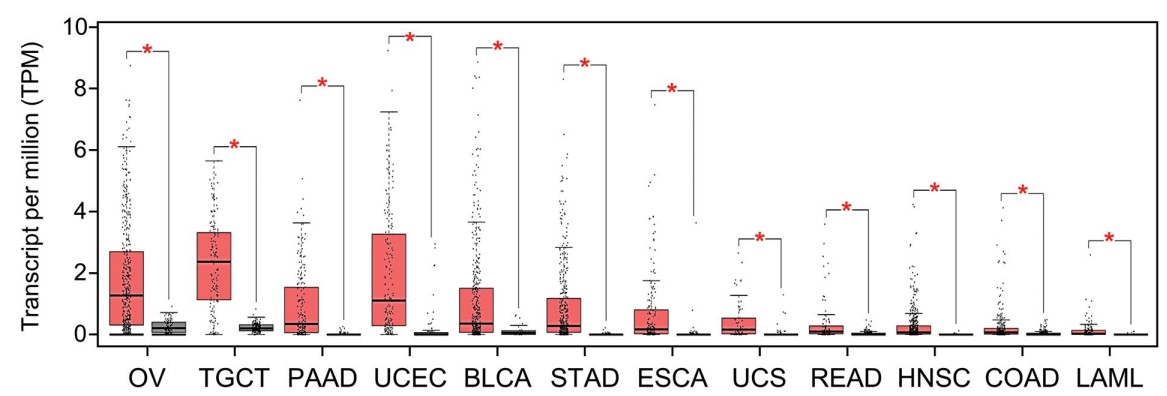
The expression of placental alkaline phosphatase was statistically significantly higher in human cancer tissues (red) than matched normal tissues (gray). (Basiri et al. 2021)
True Oncofetal Profile: Highly restricted expression in adult normal tissues creates a pristine therapeutic window rarely seen in solid tumors.
Precision Targeting: "Clean" expression profile minimizes the risk of on-target/off-tumor toxicity, allowing for higher potency payload delivery.
High Surface Expression: high accessibility for antibody
Rapid Internalization: Efficient antibody-mediated endocytosis acts as a powerful driver for intracellular payload release.
Stable Expression: Consistent presence across disease stages supports durable efficacy and reduced antigen escape.
Strategic Differentiation: An unsaturated target space offering clear First-in-Class potential compared to crowded targets like HER2 or TROP2.
Clinical Relevance: Covers a biomarker-defined patient population in high-unmet-need indications (Ovarian, Endometrial, Testicular), representing significant commercial value.
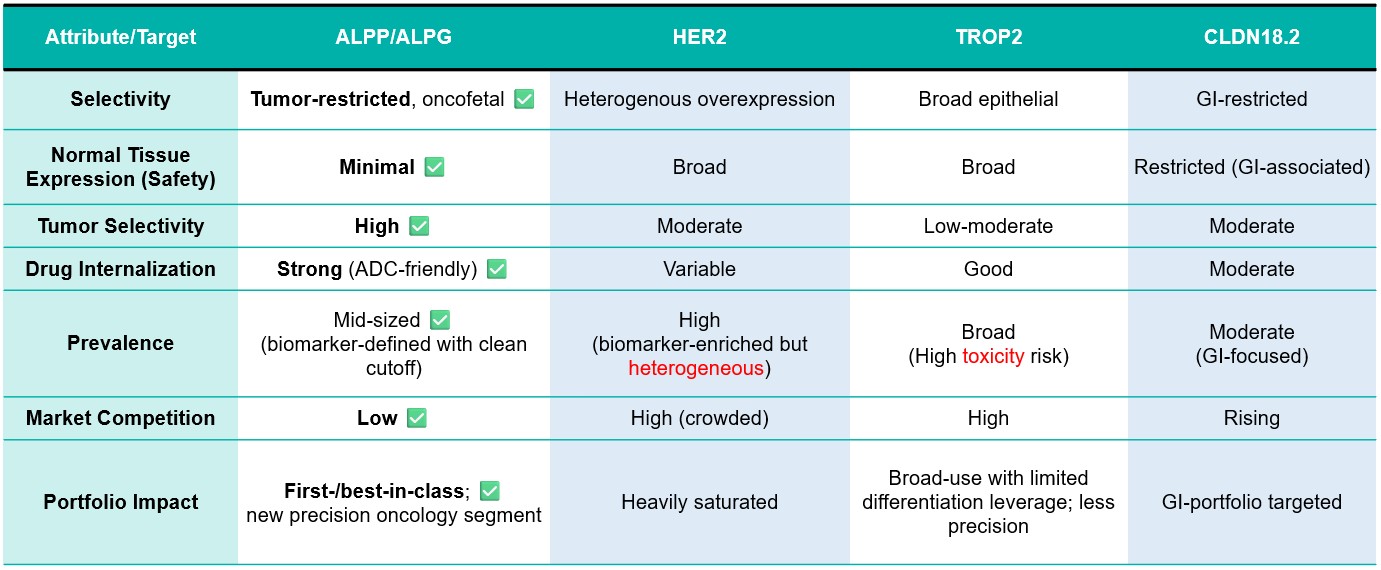
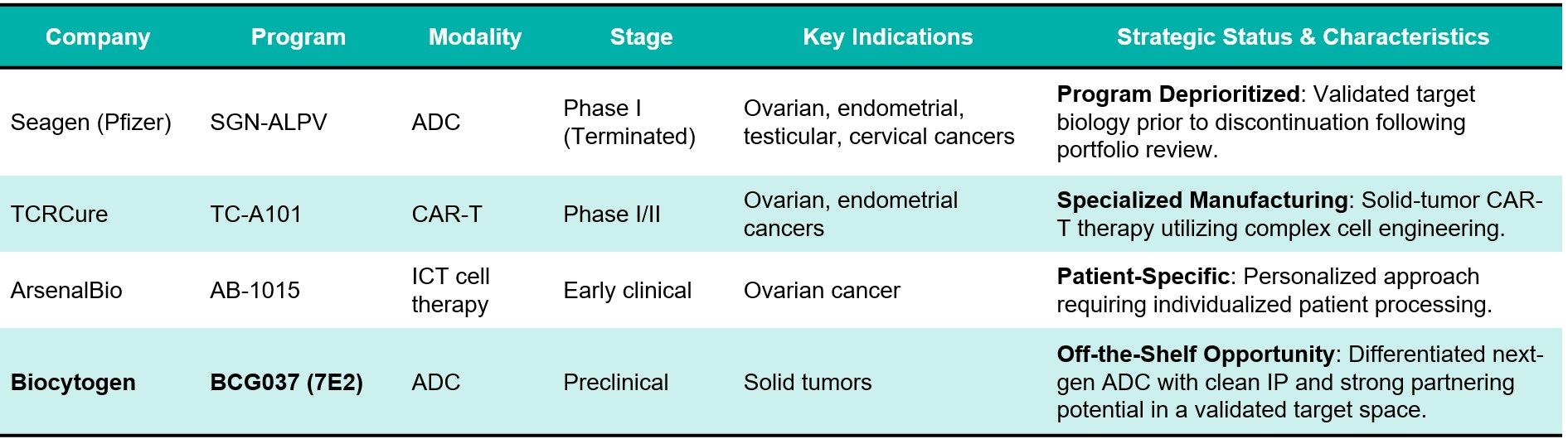
In an increasingly crowded ADC landscape dominated by well-established antigens, Biocytogen’s BCG037 (7E2) stands out through target novelty, tumor selectivity, and relevance to indications with high unmet medical need, positioning it as a strategically compelling asset in precision oncology.
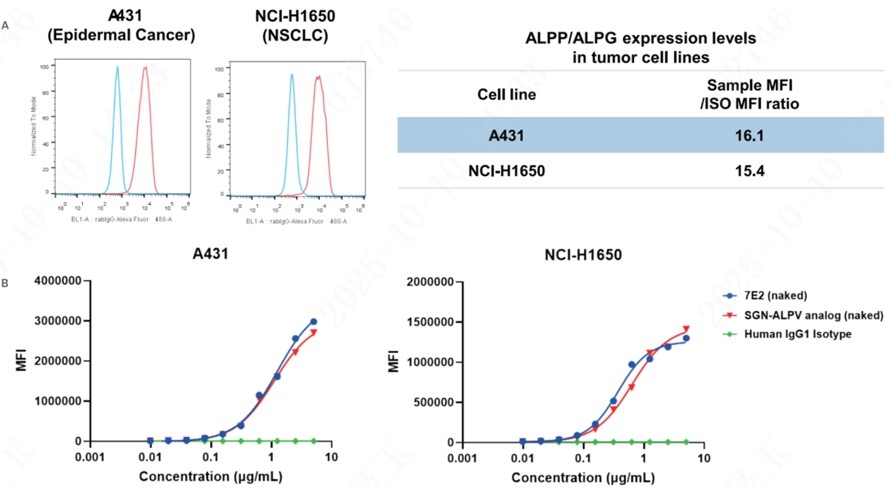
To assess ALPP/ALPG-binding potential, A431 and NCI-H1650 cells were first confirmed to express ALPP/ALPG. Our unconjugated 7E2 antibody (naked, no payload added) exhibited stronger or similar binding affinity compared with the benchmark SGN-ALPV analog in both cell lines, supporting strong affinity and broad targeting across ALPP/ALPG-positive tumors.
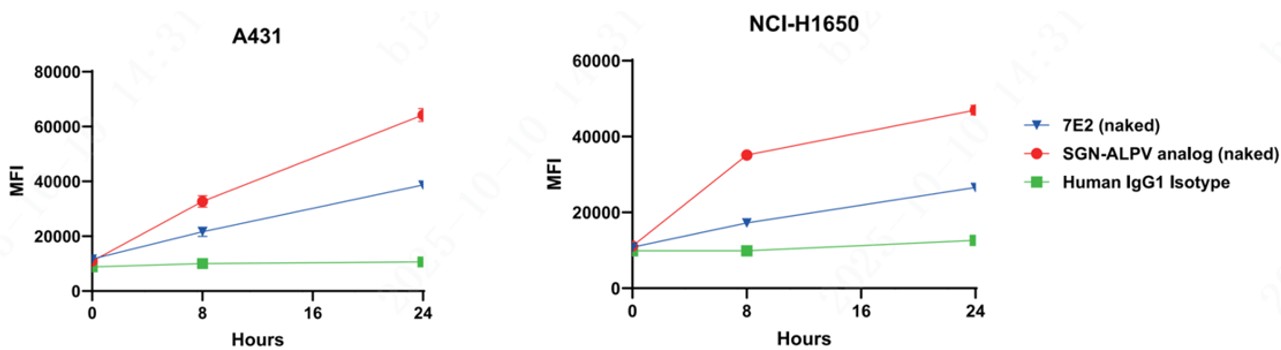
At 2.5 µg/mL, the unconjugated 7E2 antibody demonstrated robust internalization in A431 and NCI-H1650 cells compared with a human IgG1 isotype control, supporting efficient target binding and tumor cell uptake.
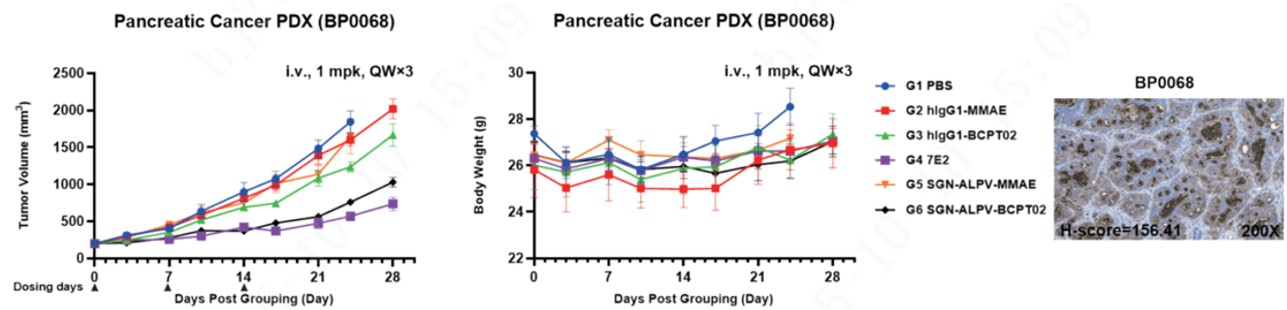
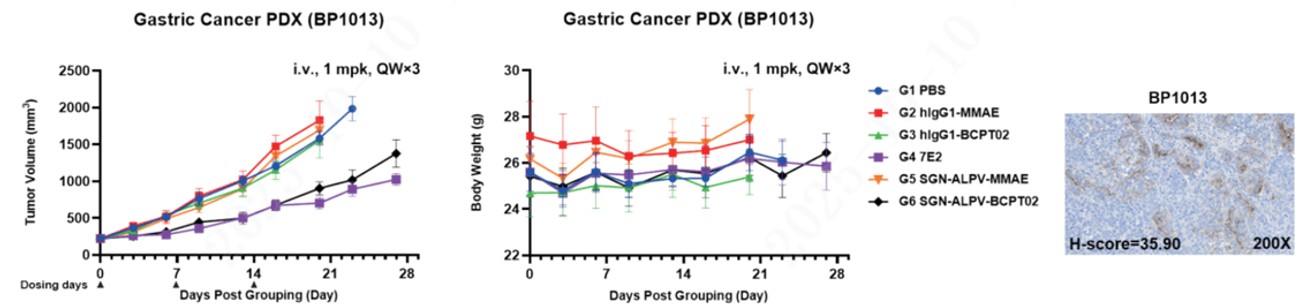
In B-NDG mice bearing pancreatic (ALPP/ALPG-high; Model ID: BP0068) or gastric (ALPP/ALPG-low; Model ID: BP1013) cancer PDX (patient-derived xenograft) models, 7E2 ADC (G4, purple line) showed greater tumor growth inhibition than benchmark SGN-ALPV ADC analogs (G5, G6), with no impact on body weight at 1 mg/kg dose level. Control hIgG1 and SGN-ALPV were conjugated with either payloads, BCPT02 (DAR=8) or MMAE (DAR=4).
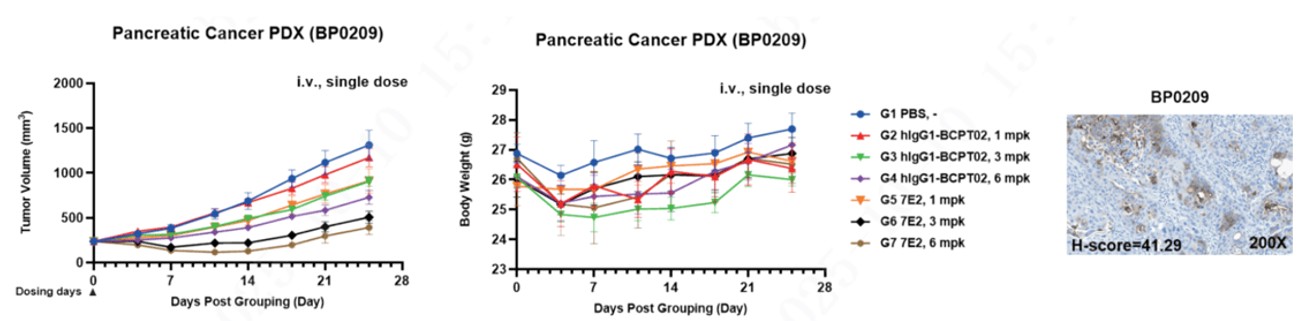
In a pancreatic cancer PDX model with low ALPP/ALPG expression (Model ID: BP0209), single dose of 7E2 ADCs (G5, G6, G7) demonstrated a dose-dependent tumor growth inhibition while maintaining stable body weight, suggesting good tolerability.
As the ADC landscape rapidly evolves, Biocytogen is actively seeking partners to advance BCG037 (7E2) through evaluation, licensing, and co-development.
👉 Contact us today to access the full data package or to learn more about partnering opportunities with Biocytogen!
ALPP/ALPG are tumor-restricted, highly accessible cell-surface antigens with efficient antibody-mediated internalization, making them well suited for ADC-based cytotoxic delivery. They define a differentiated, biomarker-selected patient population that is largely underserved by existing ADC targets.
BCG037 (7E2) advances ALPP/ALPG targeting through a next-generation antibody and payload design rather than changes in target biology. The fully human RenMab®-derived antibody is optimized for epitope specificity, surface accessibility, and internalization, addressing selectivity and trafficking limitations of earlier approaches. Unlike legacy MMAE-based ADCs, BCG037 incorporates a modern linker and Biocytogen’s proprietary BCPT02 topoisomerase I payload (DAR ≈8), enabling higher potency and an improved therapeutic index. These design upgrades overcome prior challenges and position Biocytogen's BCG037 as a viable first-/best-in-class ALPP/ALPG-targeting ADC.
BCG037 has been rigorously evaluated across in vitro and in vivo models to assess target specificity, antitumor activity, and on-target/off-tumor risk. Preclinical efficacy studies demonstrate robust tumor growth inhibition with minimal toxicity in relevant safety models, supporting advancement toward clinical development and partnership value.
ALPP/ALPG biology has been clinically validated, yet remains underexploited due to prior portfolio-driven exits—creating a rare white space in the ADC landscape. BCG037 (7E2) is purpose-built to seize this opportunity, combining a fully human, high-affinity antibody with next-generation ADC engineering to deliver a differentiated, first- or best-in-class PCC asset with compelling upside for early partnering and co-development.