you may also like
For decades, the central nervous system (CNS) has been a fortress, guarded effectively against therapeutic intervention by the blood-brain barrier (BBB). While 2023 marked a historic turning point with the approval of Leqembi for Alzheimer’s disease (AD), proving that monoclonal antibodies can successfully clear amyloid plaques and modify the course of AD. Yet, this milestone also cast a spotlight on the limitations of first-generation therapies.
The biological reality is stark: the BBB blocks over 98% of small molecules and nearly all large molecules—such as antibodies—from entering the brain parenchyma. Historically, treatments relied on high-dose intravenous administration, hoping enough drug would passively cross over. However, typically less than 0.1% of systemically administered antibodies reach the brain using this method. This inefficiency leads to a difficult trade-off: to get enough drug into the brain, patients are subjected to high dosing burdens, which increases systemic safety risks, such as amyloid-related imaging abnormalities (ARIA).
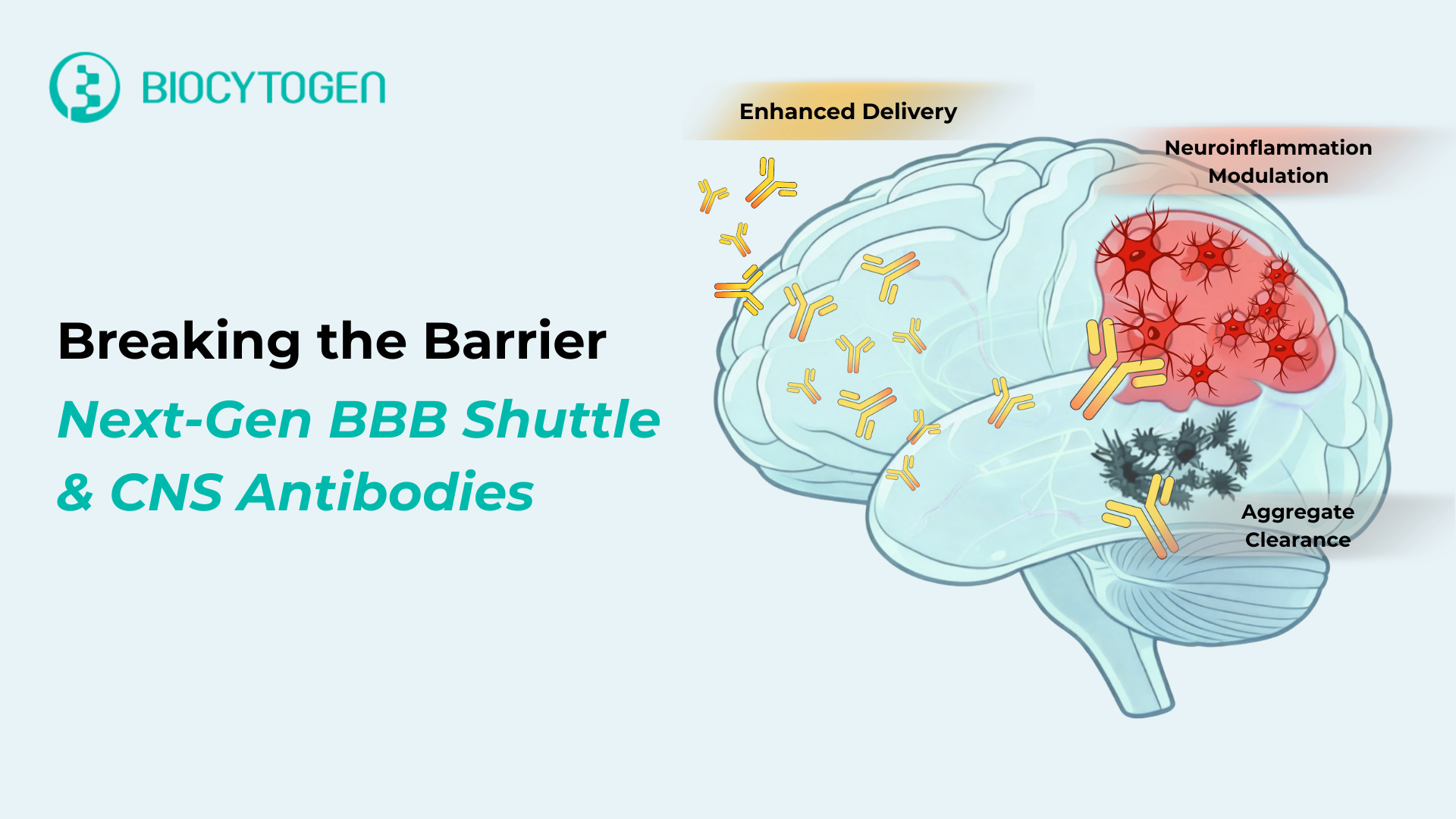
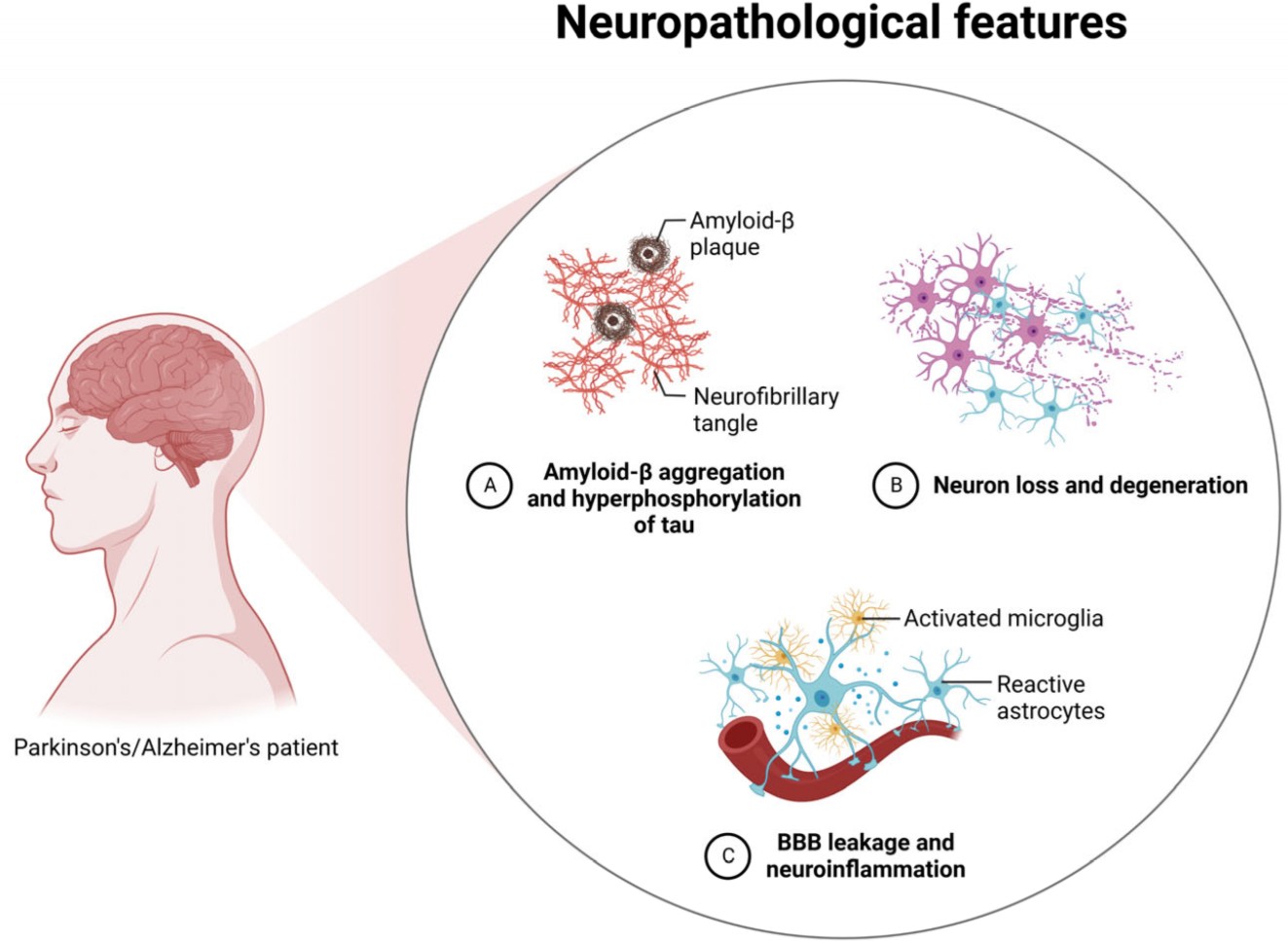
Solving the delivery problem via BBB shuttles is a major pivot for the biopharma industry. Crucially, though, arrival is not the end goal; to halt neurodegeneration, these therapeutics must be equipped to combat the key pathologies such as neuroinflammation and toxic aggregation once inside.
Biocytogen is leading this next wave of innovation. Leveraging our proprietary RenMice® platforms (RenMab®, RenLite®, RenNano®), we have built a robust portfolio of fully human therapeutic antibodies designed to address the major pillars of neurodegenerative pathology: Enhanced Delivery, Inflammation Modulation, and Aggregate Clearance.
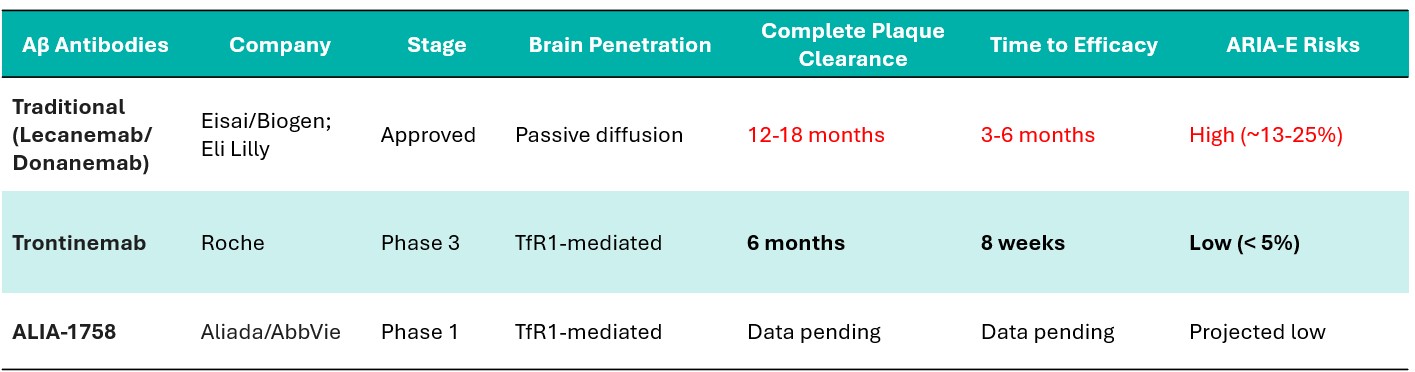
With the industry now pivoting from "brute-force" dosing to more elegant solutions, a new wave of second-generation therapies is hijacking the brain's own transport systems—specifically Receptor-Mediated Transcytosis (RMT) via receptors like TfR1 and CD98—to actively ferry drugs across the BBB.
The success of these shuttles depends on targeting specific receptors on brain endothelial cells. Two primary "gates" have emerged as the most promising candidates:
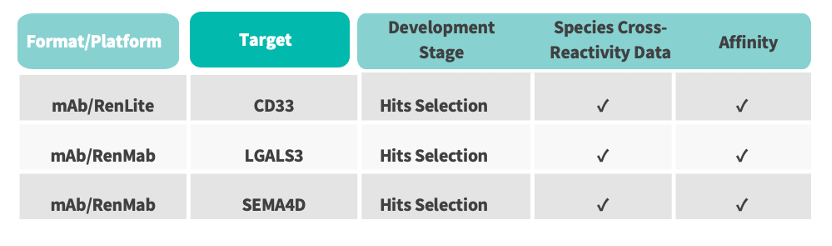
Neuroinflammation is a key driver of disease progression, often fueled by the dysregulation of glial cells. Biocytogen’s "Knock-Out" (KO) RenMice platforms have generated potent antibodies against critical inflammatory targets such as:
The final pillar involves removing the toxic protein tangles that physically damage neurons. While amyloid has been the primary focus of the last decade, Tau is increasingly seen as the primary correlation of cognitive decline.
The future of CNS treatment depends not only on crossing the blood-brain barrier, but also on what the drug achieves once it arrives. By combining fully human therapeutic antibody discovery with advanced humanized animal models for validation, Biocytogen offers a synergistic solution: BBB shuttles to gain access, immunomodulators to restore balance, and neutralizing antibodies to clear pathology.
We welcome opportunities for evaluation, licensing, and co-development. 👉 Contact us today!
Second-generation CNS antibodies move beyond the "passive diffusion" limitations of early drugs like Leqembi (0.1% brain penetration) toward active transport. Biocytogen is at the forefront of this evolution with our RenNano® platform, which generates fully human VHHs and heavy-chain-only antibodies (HCAbs). These small, modular fragments are ideal for engineering multi-specific "BBB shuttle" therapeutics that utilize receptor-mediated transcytosis (RMT) to deliver therapeutic payloads across the BBB with significantly higher efficiency and lower systemic toxicity.
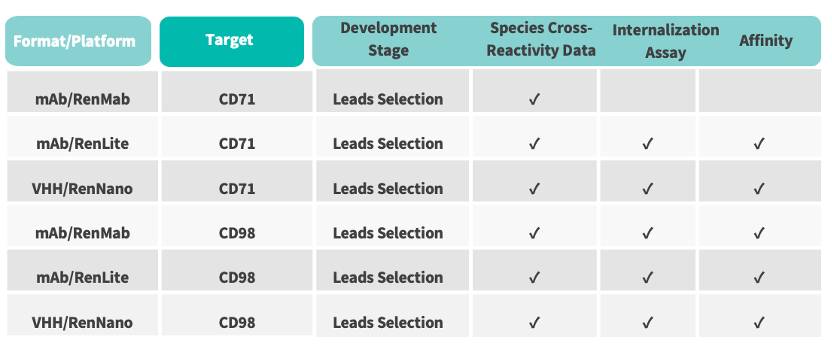
Biocytogen solves the "delivery gap" with a portfolio of fully human assets targeting CD71 (TfR1), CD98hc, and other receptors. Leveraging our RenMice® platforms, we enable a tailored approach: TfR1 enables rapid, high-efficiency uptake—outperforming benchmarks such as JR-141—while CD98hc binders offer a strategic alternative for sustained parenchymal retention and reduced hematological toxicity. We deliver clinical-ready, human/monkey cross-reactive leads that require no humanization, allowing partners to optimize transport kinetics for their specific therapeutic needs.
Biocytogen addresses the "neuroinflammation gap" by utilizing RenMice® KO models for the highly conserved TREM2 target. Unlike traditional platforms, our KO mice perceive TREM2 as a foreign antigen, yielding a diverse library of over 50 fully human candidates with picomolar affinity. This epitope diversity allows for the selection of high-potency agonistic profiles specifically designed to trigger neuroprotective signaling and restore microglial homeostasis, providing a differentiated foundation for rapid, low-risk CNS therapeutic development.
To effectively halt the spread of neurofibrillary tangles, an antibody must possess both high affinity and the ability to intercept Tau in the interstitial fluid. Biocytogen’s MAPT RenMab KO program has produced a top-tier selection of fully human mAbs with affinities ranging from 500pM to 5nM. Because these antibodies are generated in a knockout background, they recognize epitopes that are often missed by traditional platforms, providing a unique competitive edge in clearing the pathogenic protein aggregation that drives Alzheimer's and other tauopathies.