you may also like
As therapeutic modalities become more complex, interspecies differences make relevant species selection increasingly challenging. Regulatory science is therefore placing greater emphasis on scientifically appropriate, mechanism-based models that strengthen human safety assessment and the “weight of evidence” for IND application.
Target cross-reactivity remains fundamental to relevant species selection. Establishing pharmacological relevance also requires appropriate target expression and the ability to reproduce the intended therapeutic mechanism of action. This becomes increasingly challenging for modern therapeutics with complex, human-specific, and multi-target mechanisms.
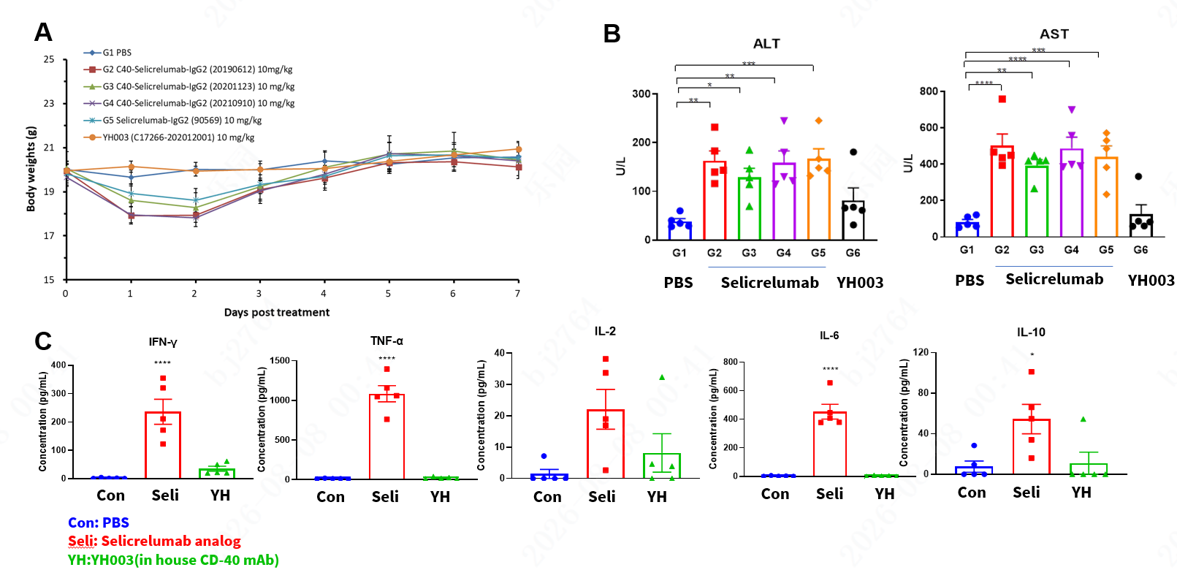
Model relevance is particularly important in toxicology because clinically relevant adverse effects—such as cytokine release syndrome (CRS), receptor hyperactivation, and sustained target inhibition—may arise directly from engagement of the intended therapeutic targets. Examples of modalities with complex model requirements include:
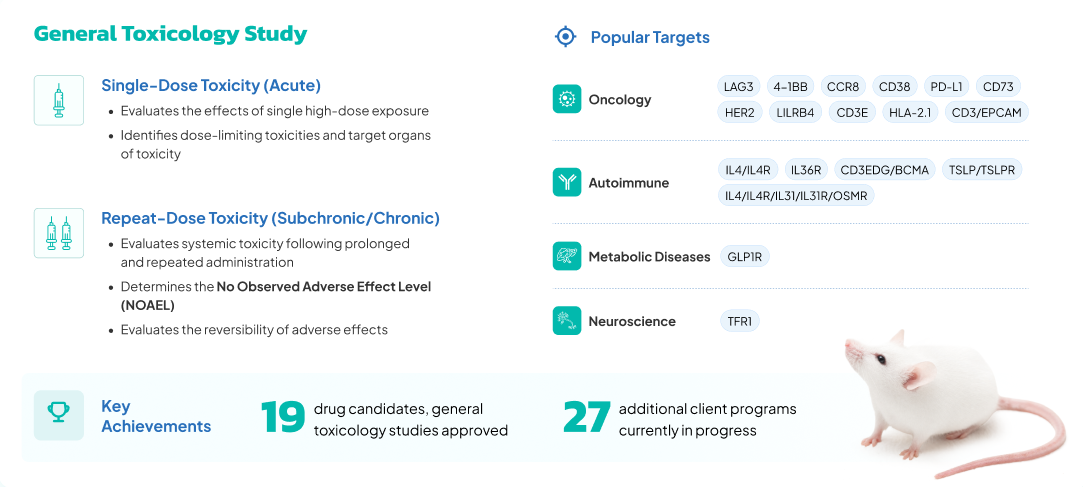
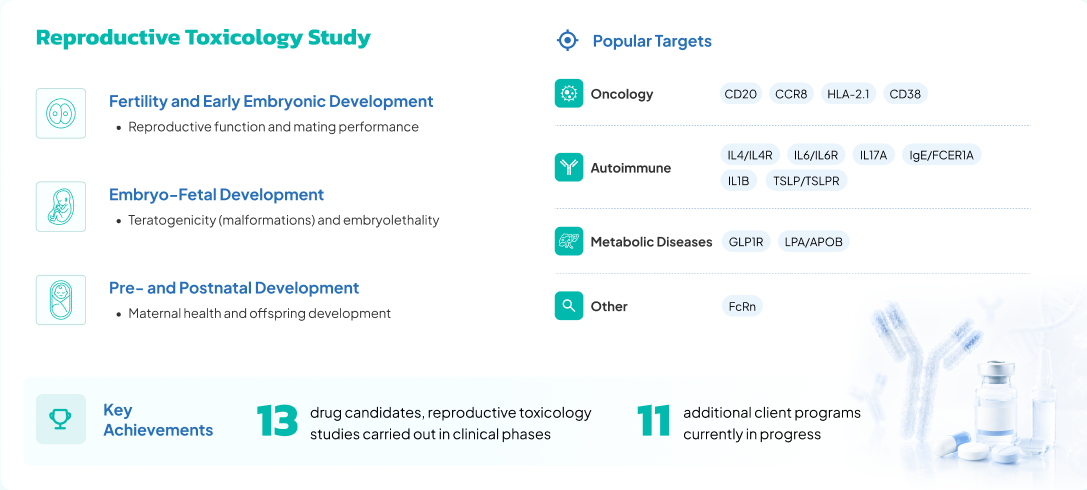
Biocytogen’s target-humanized mouse models provide a fit-for-purpose in vivo approach for evaluating human-specific therapeutics, and are especially valuable when conventional species cannot adequately recapitulate relevant target biology. These models can also complement conventional species in safety assessment programs, supporting studies from early non-GLP toxicology through GLP toxicity studies and IND applications, including dose-ranging, single-dose, repeat-dose, and reproductive toxicology studies.
To date, these target-humanized mouse models have supported toxicology studies contributing to 30 NMPA IND approvals, 11 FDA IND approvals, 7 dual FDA/NMPA IND approvals, and 2 NMPA BLA approvals, as well as 21 DART programs.
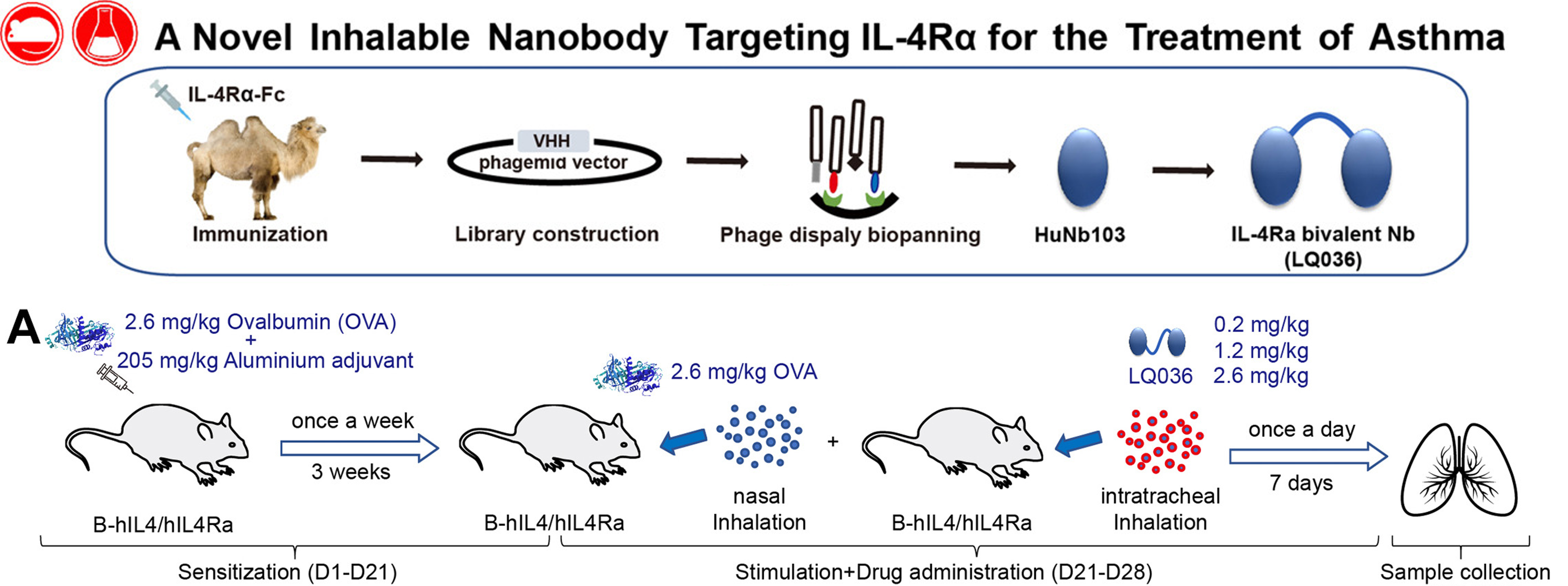
The GLP repeat-dose toxicity of LQ036, an inhaled IL-4Rα-targeting nanobody, was evaluated using B-hIL4/hIL4RA mice (Biocytogen’s IL4/IL4Rα-humanized mice) and published by Zhu et al. (2024). LQ036 is currently in Phase IIb development for asthma in China and has received FDA clearance for a Phase Ib COPD study in the U.S.
In the published study, no obvious treatment-related toxicity was observed, with a NOAEL of 20.9 mg/kg. Cytokine and immune markers remained within normal ranges, and anti-drug antibodies were detected in only a few animals, indicating low immunogenicity and a favorable safety profile. These findings support the use of B-hIL4/hIL4RA mice for GLP general and repeat-dose toxicology studies.
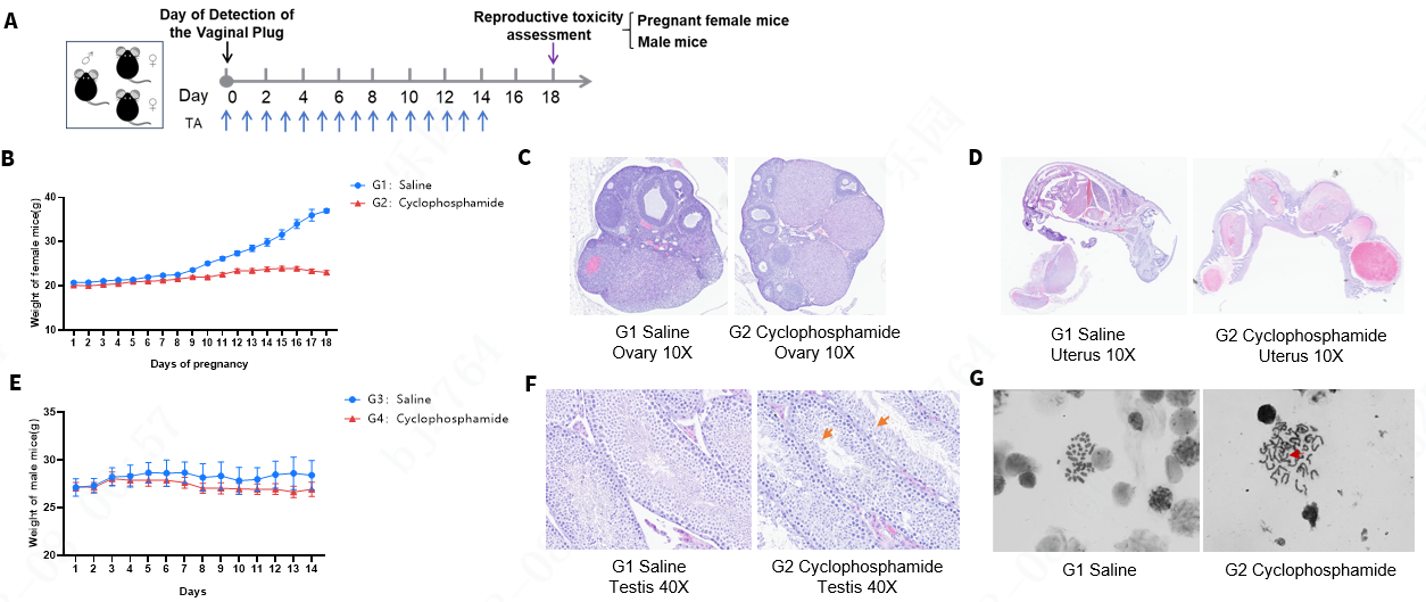
In B-hTL1A/hIL23A/hIL12B mice, cyclophosphamide induced the expected reproductive toxicity profile in both sexes. Pregnant females showed reduced body-weight gain, decreased oocytes and follicles, and fetal resorption with liquefactive necrosis, while males exhibited reduced body weight, seminiferous tubule atrophy, decreased spermatogenic cells, and chromosomal abnormalities.
These findings demonstrate the model’s ability to recapitulate reproductive the key reproductive toxicity findings, supporting its use in developmental and reproductive toxicity (DART) studies.
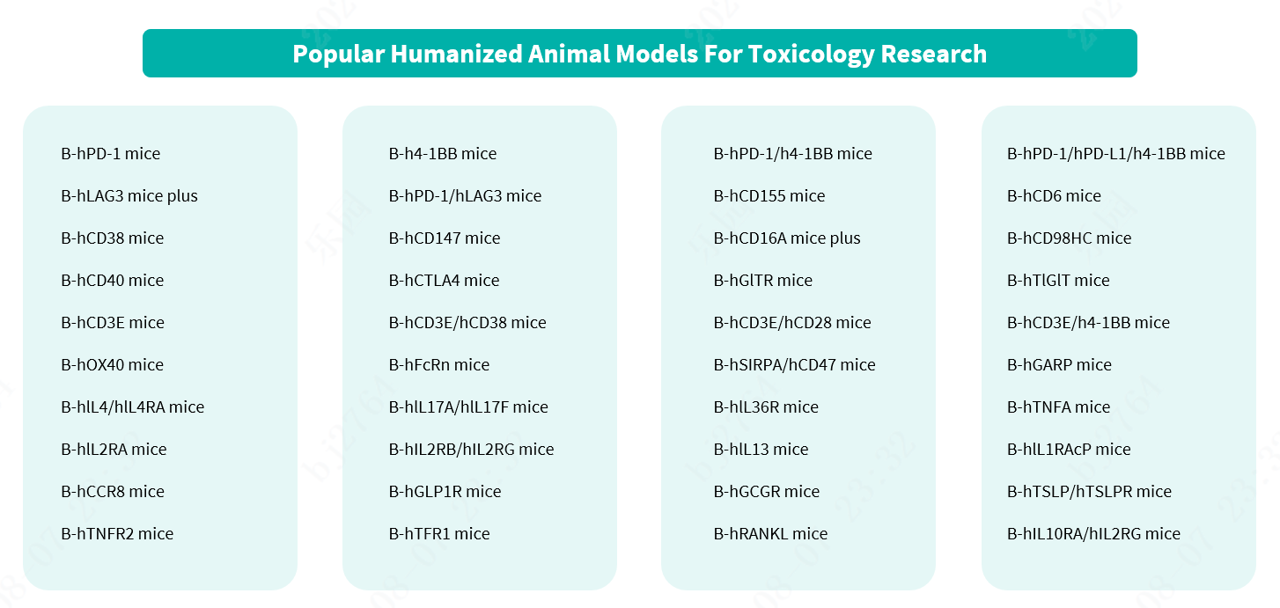
As next-generation therapeutics become more dependent on human-specific biology, choosing an in vivo model that captures the relevant target biology is critical for meaningful safety assessment. Recognized by the FDA as NAMs, target-humanized mouse models help bridge species gaps by enabling human target biology to be evaluated in vivo.
Biocytogen offers a broad portfolio of target-humanized mouse models supporting non-GLP toxicology, GLP general toxicology, and reproductive and long-term toxicity studies. These versatile models strengthen translational confidence and enable fit-for-purpose safety strategies throughout drug development.
On-target toxicity results from engagement or modulation of the intended therapeutic target, often in healthy tissues or through excessive or prolonged pharmacological activity. Cytokine release, receptor hyperactivation, immune-mediated tissue injury, and effects of sustained target inhibition may represent on-target toxicity when they are directly driven by the intended mechanism. Because efficacy and toxicity can arise from the same biology, on-target toxicity may limit the therapeutic window.
Many emerging modalities require more than simple target binding. Their activity may depend on simultaneous engagement of multiple targets, immune-cell interactions, receptor signaling, sequence-specific recognition, or species-dependent molecular machinery, making the biological context of the model increasingly important.
Regulatory frameworks increasingly support scientifically justified, fit-for-purpose strategies for assessing potential human safety risks. Rather than relying on a single established model by default, programs can integrate relevant in vivo, in vitro, and in silico evidence to build an appropriate weight of evidence. Target-humanized mouse models fit within this framework by adding human-target-specific in vivo evidence to the overall safety assessment.
Human cell-based systems can provide valuable mechanistic information, but they do not reproduce whole-body physiology. Target-humanized mice add an in vivo context in which target biology can be evaluated together with systemic exposure, tissue responses, pharmacodynamics, and toxicological endpoints.
By expressing human therapeutic targets in vivo, target-humanized mice provide a pharmacologically relevant option for toxicology studies. Key advantages include:
Biocytogen’s target-humanized mice support both general and reproductive toxicology programs:
GLP General Toxicology
GLP Reproductive Toxicology