Hematological Disease Model Introduction
Hematological disorders encompass a diverse group of diseases that disrupt the production, function, and regulation of blood and its cellular components. From red blood cell disorders and hematologic malignancies to abnormalities in coagulation, platelet function, and iron metabolism, these conditions involve complex biological pathways and often require highly disease-relevant preclinical models to better understand pathogenesis and evaluate emerging therapies.
Biocytogen has developed a growing portfolio of humanized, knockout, and disease mouse models covering key hematology indications, including thalassemia, sickle cell disease, hemophilia, thrombosis, platelet disorders, iron metabolism disorders, hereditary angioedema, and acute myeloid leukemia. With molecular, hematological, disease-phenotype, and in vivo pharmacology characterization, these models provide versatile platforms for target validation, mechanistic studies, and safety evaluation of novel hematology therapeutics.
Hematology
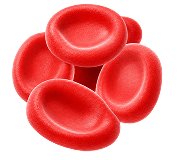
Red blood cell development, hemoglobin function, and iron balance
- Thalassemia
- Sickle Cell Disease
- Polycythemia
- Iron Metabolism Disorders
Myeloid Cells
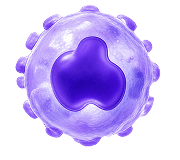
Myeloid differentiation and leukemia-associated dysregulation
Platelets
Platelet production, function, and thrombotic regulation
- Von Willebrand Disease
- Thrombosis
- Thrombocytopenia
- Glanzmann Thrombasthenia
- Essential Thrombocythemia
Endothelial Cells
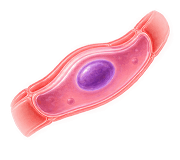
Vascular integrity, permeability, and endothelial homeostasis
- Hereditary Angioedema
- Hereditary Hemorrhagic Telangiectasia
Coagulation Factors
Key pathways controlling blood clotting and bleeding
Hepatocytes
Heme biosynthesis and liver-driven metabolic regulation