you may also like
Antibody-drug conjugates (ADCs) are entering a new phase of oncology development. As established ADCs expand into earlier-stage disease—highlighted by the 2026 FDA approval of trastuzumab deruxtecan (T-DXd/ENHERTU) in HER2-positive early-stage breast cancer—and next-generation programs explore multitarget approaches, novel payloads, optimized conjugation strategies, and increasingly sophisticated ADC designs, the focus is shifting beyond antitumor potency alone. Expanding the therapeutic window while maintaining durable efficacy is becoming a central challenge in ADC development.
Unlike conventional monoclonal antibodies, ADC safety is shaped by the interplay of multiple components within a single therapeutic. Toxicity can arise through several overlapping mechanisms:
♦ On-target toxicity driven by target expression in normal tissues
♦ Payload-associated toxicity resulting from intracellular or systemic payload exposure
♦ Linker and conjugate stability, which influence premature payload release and tissue exposure
Importantly, these mechanisms are not independent. Target binding and internalization determine where an ADC delivers its payload, while linker and payload properties influence what happens after delivery. For increasingly complex formats, including multispecific and dual-payload ADCs, selecting a relevant in vivo model therefore requires more than target cross-reactivity alone; target expression, pharmacology, and species-specific biology can all affect how ADC toxicity manifests.
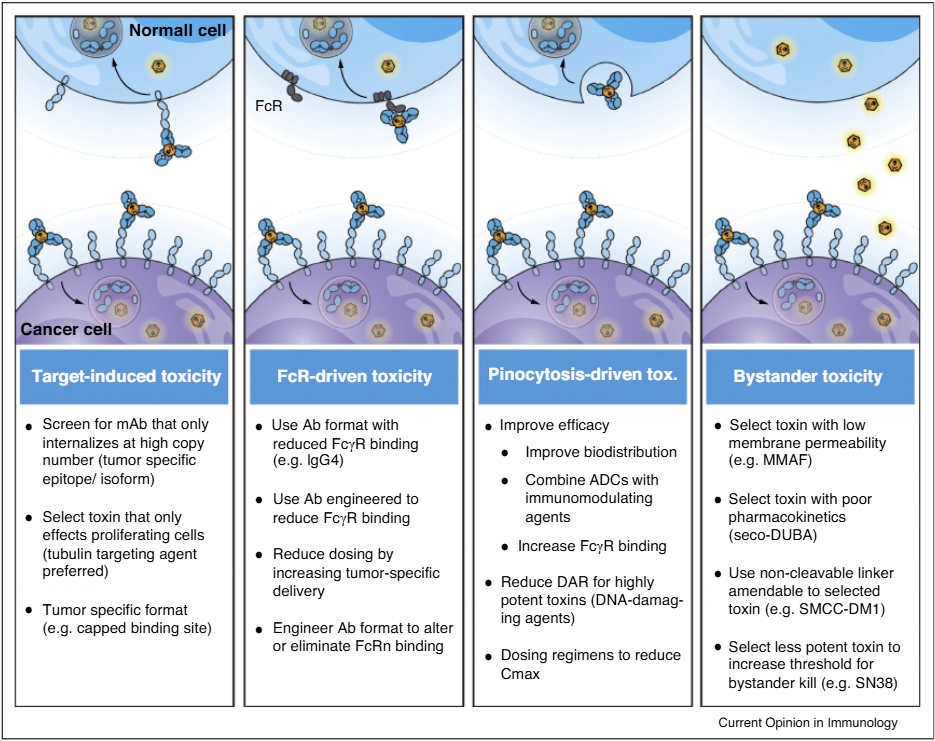
Overview of potential mechanisms of ADC-induced toxicity and strategies to mitigate these effects. (de Goeij & Lambert, 2016)
Biocytogen’s target-humanized mouse models bring the clinically relevant human target into an intact in vivo system, providing a practical and pharmacologically relevant framework for ADC safety assessment and IND-enabling toxicology studies. These models enable evaluation of the target-mediated toxicity cascade—from human-target engagement and internalization to payload release and downstream tissue injury.
Their value extends beyond cases of limited cross-reactivity. Direct evaluation against the human target, combined with scalable study designs, can provide additional insight into human-target-dependent safety while enabling systematic comparison of ADC candidates, doses, and linker–payload strategies.
Key advantages include:
Enable evaluation of human-target-specific pharmacology and safety
Characterize clinically relevant on-target, off-tumor toxicity
Support complex and multispecific ADCs with challenging cross-reactivity profiles
Enable large, synchronized cohorts for dose and ADC design comparisons
Improve cost and timeline efficiency for IND-enabling toxicology
Featured case studies include:
♦ EGFR humanized mice (B-hEGFR mice): reveal tolerability changes and skin and ophthalmic abnormalities following anti-EGFR mAb and ADC treatment.
♦ HER2 humanized mice (B-hHER2 mice): differentiate HER2-targeting candidates and characterize multiorgan tissue toxicity following mAb and ADC treatment.

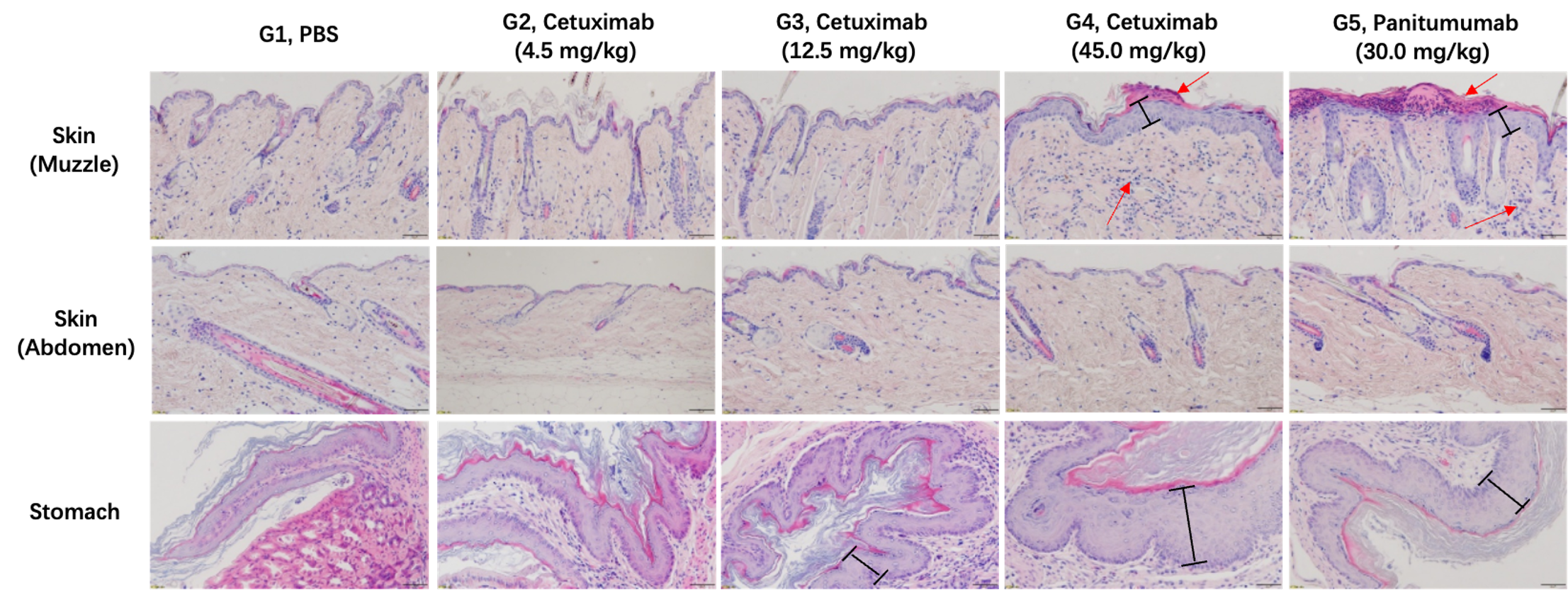
In Vivo Safety Profile of Anti-human EGFR mAbs in B-hEGFR Mice. EGFR is widely expressed in epithelial tissues and is a well-established oncology target. In EGFR humanized mice (B-hEGFR mice), cetuximab biosimilar and panitumumab produced dose-dependent body weight loss and tissue-level pathological changes, supporting in vivo assessment of anti-EGFR antibody toxicity.

Cetuximab-MMAE Reveals Increased Toxicity in B-hEGFR Mice. Conjugation with the cytotoxic payload MMAE adds safety complexity. Repeated dosing led to mortality after the third dose despite minimal preceding body weight changes.
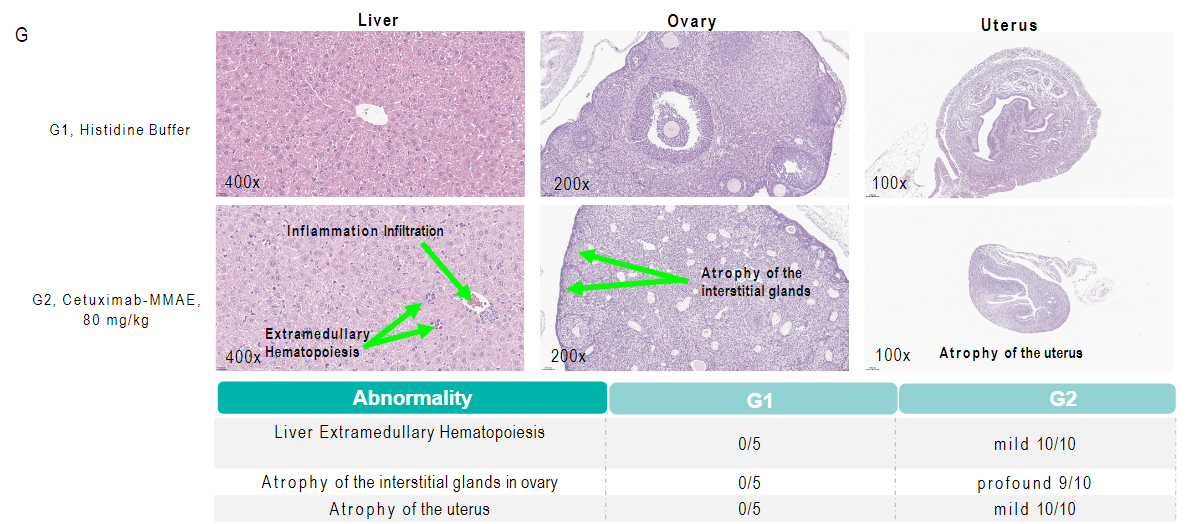
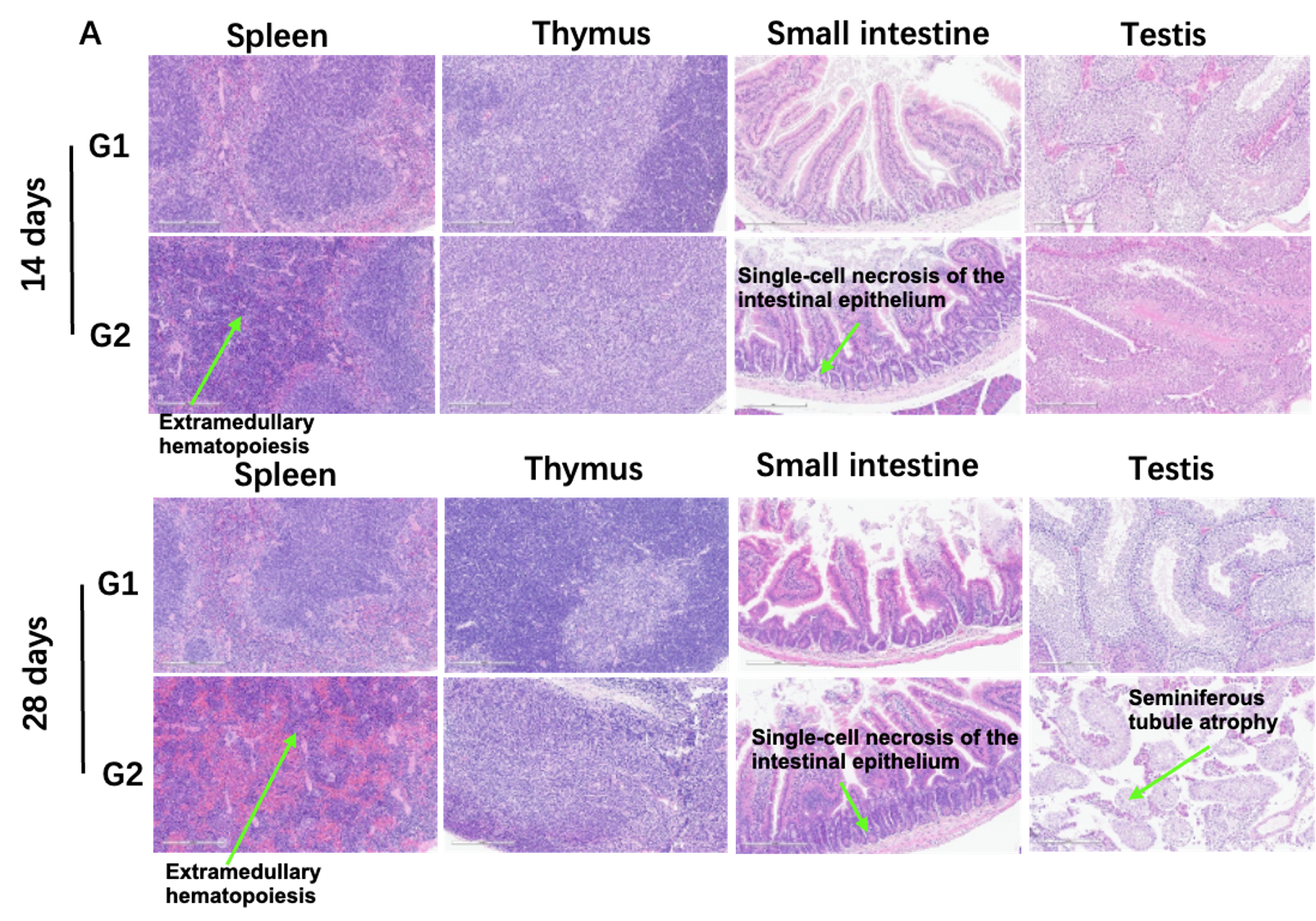
Reproductive and Hepatic Toxicity of Cetuximab-MMAE in B-hEGFR Mice. Cetuximab-MMAE induced liver extramedullary hematopoiesis and reproductive-organ atrophy, with pronounced ovarian changes observed after repeated treatment.

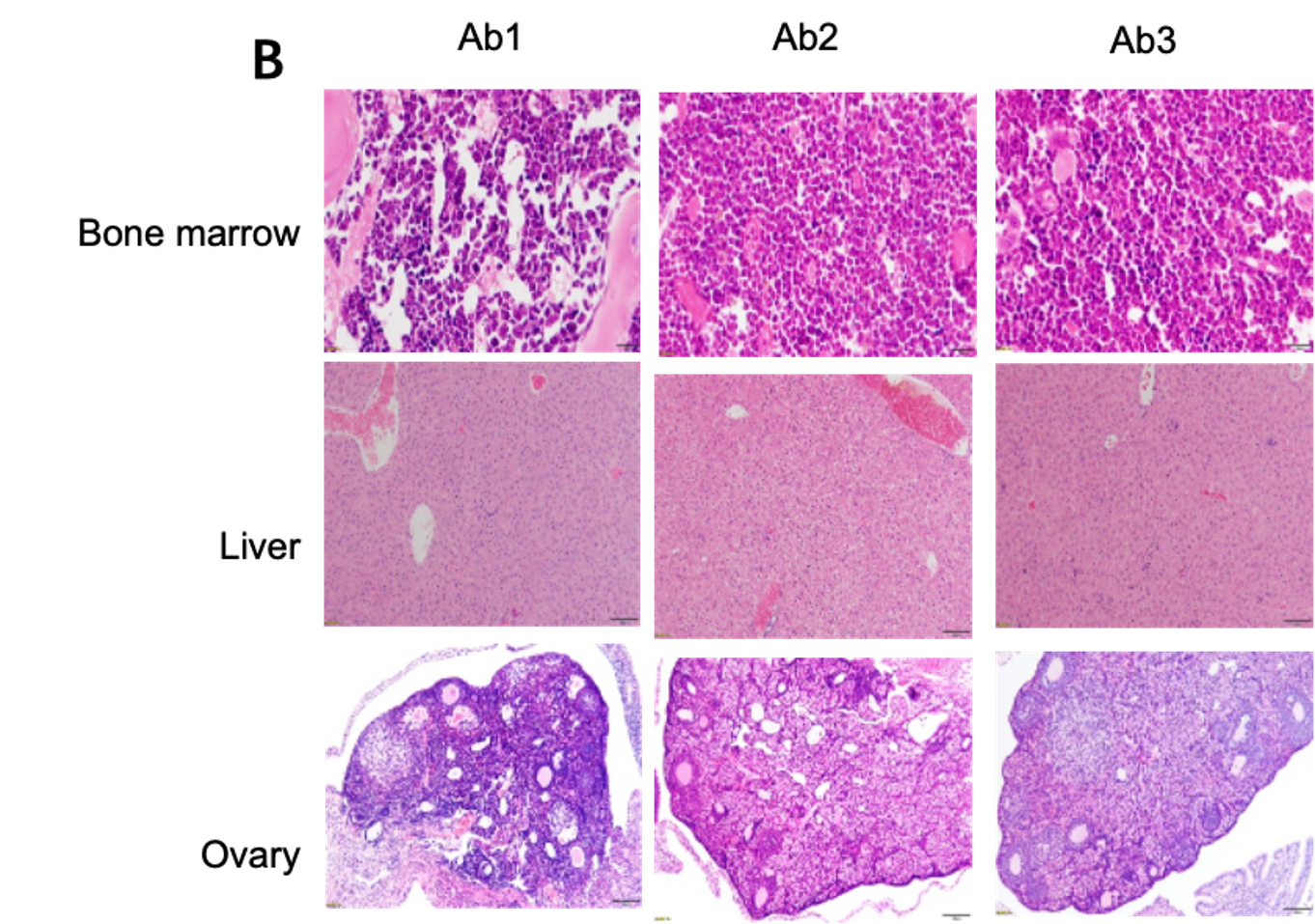
Comparative In Vivo Safety of Anti-human HER2 mAbs in B-hHER2 Mice. HER2 is a well-established oncology target across breast and gastric cancers. In B-hHER2 mice, three anti-HER2 antibodies showed distinct safety profiles, including differences in body weight, survival, and histopathological changes in the bone marrow and ovaries.
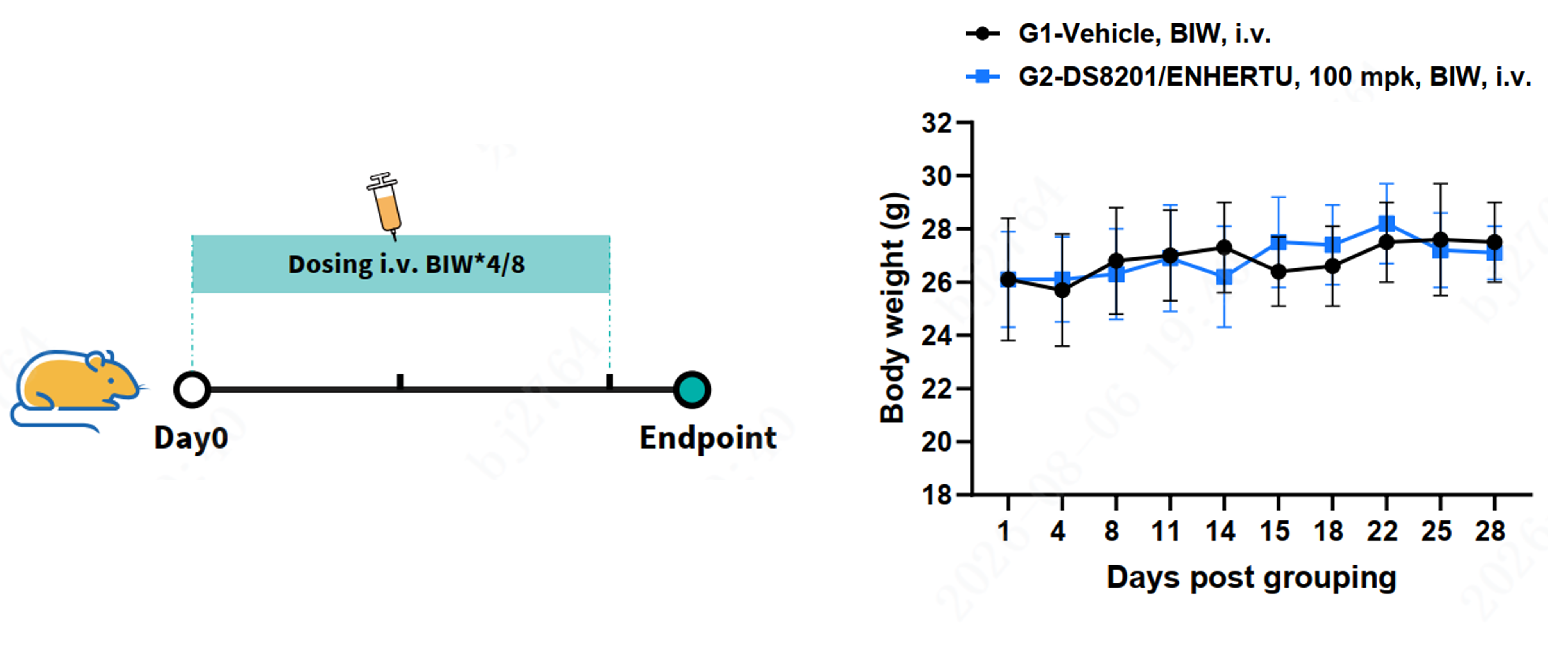
In Vivo Safety Assessment of DS-8201/ENHERTU in B-hHER2 Mice. DS-8201/ENHERTU, an anti-HER2 ADC conjugated with the topoisomerase I inhibitor payload DXd, was evaluated as a commercial ADC benchmark. Repeated treatment caused minimal body weight change, while histopathology revealed clear tissue-level abnormalities.
|
As ADCs become more complex, understanding human-target-dependent toxicity, downstream payload effects, and tissue-level safety signals early in development is increasingly important. Target-humanized mice provide a relevant in vivo system to evaluate these effects and differentiate safety profiles across ADC candidates.
Biocytogen’s broad portfolio of target-humanized models supports early toxicity characterization, candidate differentiation, and IND-enabling toxicology studies across diverse ADC targets, helping advance programs from early safety assessment toward regulatory development.
Target-humanized mice enable ADCs to engage the clinically relevant human target in vivo. For ADCs, this allows safety assessment to follow the toxicity cascade beginning with human-target engagement and internalization, followed by payload delivery and downstream tissue injury. This makes them particularly useful for evaluating human-target-dependent safety within an intact physiological system.
For multispecific ADCs, a relevant in vivo model must support engagement of all intended targets within the same molecule. As the number of targets increases, finding a conventional species with appropriate cross-reactivity to every target can become increasingly difficult.
Multi-target humanized mice can be matched to the specific target combination of the therapeutic, enabling all intended binding arms to engage their corresponding human targets in the same in vivo system. This provides a molecule-relevant platform for evaluating target-dependent pharmacology and safety of complex multispecific ADCs.
Yes. Target-humanized mice can support both non-GLP safety assessment and IND-enabling GLP general toxicology studies. Biocytogen’s target-humanized mice support single- and repeat-dose toxicity studies to assess dose-limiting toxicity, target organs, NOAEL, and reversibility of adverse effects, as well as reproductive and developmental toxicity studies.
Mouse studies allow larger, synchronized cohorts, making it practical to compare multiple doses, candidates, linker–payload combinations, or treatment regimens within the same study framework. This can strengthen safety datasets while improving cost and timeline efficiency during preclinical and IND-enabling development.
Yes. Target-humanized mice provide a common in vivo background for evaluating both unconjugated antibodies and ADCs against the same human target. This can help establish a target-related safety baseline and characterize additional toxicity that emerges following ADC conjugation, payload delivery, and repeated dosing.
de Goeij BEC, Lambert JM. New developments for antibody-drug conjugate-based therapeutic approaches. Curr Opin Immunol. 2016;40:14–23. DOI: 10.1016/j.coi.2016.02.008.
Dumontet C, Reichert JM, Senter PD, Lambert JM, Beck A. Antibody–drug conjugates come of age in oncology. Nature Reviews Drug Discovery. 2023;22(8):641–661. DOI: 10.1038/s41573-023-00709-2
Peters S, Grivas P, Massard C, et al. Clinical toxicity of ADCs and ICI–ADC combinations: mechanisms, patterns and management. Nature Reviews Clinical Oncology. 2026. DOI: 10.1038/s41571-026-01188-1
Nguyen TD, Bordeau BM, Balthasar JP. Mechanisms of ADC Toxicity and Strategies to Increase ADC Tolerability. Cancers. 2023;15(3):713. DOI: 10.3390/cancers15030713
Sun Z, Gu M, Yang Z, et al. Application of humanized mice in the safety experiments of antibody drugs. Animal Models and Experimental Medicine. 2025;8(6):1023–1032. DOI: 10.1002/ame2.12562
Price T, Kim TW, Li J, et al. Final results and outcomes by prior bevacizumab exposure, skin toxicity, and hypomagnesaemia from ASPECCT: randomized phase 3 non-inferiority study of panitumumab versus cetuximab in chemorefractory wild-type KRAS exon 2 metastatic colorectal cancer. European Journal of Cancer. 2016;68:51–59. DOI: 10.1016/j.ejca.2016.08.010
Ogitani Y, Aida T, Hagihara K, et al. DS-8201a, A Novel HER2-Targeting ADC with a Novel DNA Topoisomerase I Inhibitor, Demonstrates a Promising Antitumor Efficacy with Differentiation from T-DM1. Clinical Cancer Research. 2016;22(20):5097–5108. DOI: 10.1158/1078-0432.CCR-15-2822
Modi S, Saura C, Yamashita T, et al. Trastuzumab Deruxtecan in Previously Treated HER2-Positive Breast Cancer. New England Journal of Medicine. 2020;382(7):610–621. DOI: 10.1056/NEJMoa1914510