you may also like
The ADC field is entering a faster, more complex phase of clinical and commercial development. In 2026, iza-bren (EGFR×HER3 ADC) became the first approved bispecific ADC in China, while Datroway (TROP2 ADC) expanded into first-line metastatic TNBC in the US. AstraZeneca’s $2 billion investment in Summit also advanced ADC combination strategies, including Sone-Ve (CLDN18.2 ADC) + ivonescimab and Datroway + ivonescimab.
Despite these advances, variable treatment responses and ADC resistance remain major challenges. Factors such as target heterogeneity, altered internalization and reduced payload sensitivity can affect ADC efficacy and durability, underscoring the need for relevant preclinical models to guide model selection, evaluate emerging ADC formats, and investigate resistance.
As ADC development becomes more complex, preclinical evaluation increasingly focuses on three priorities:
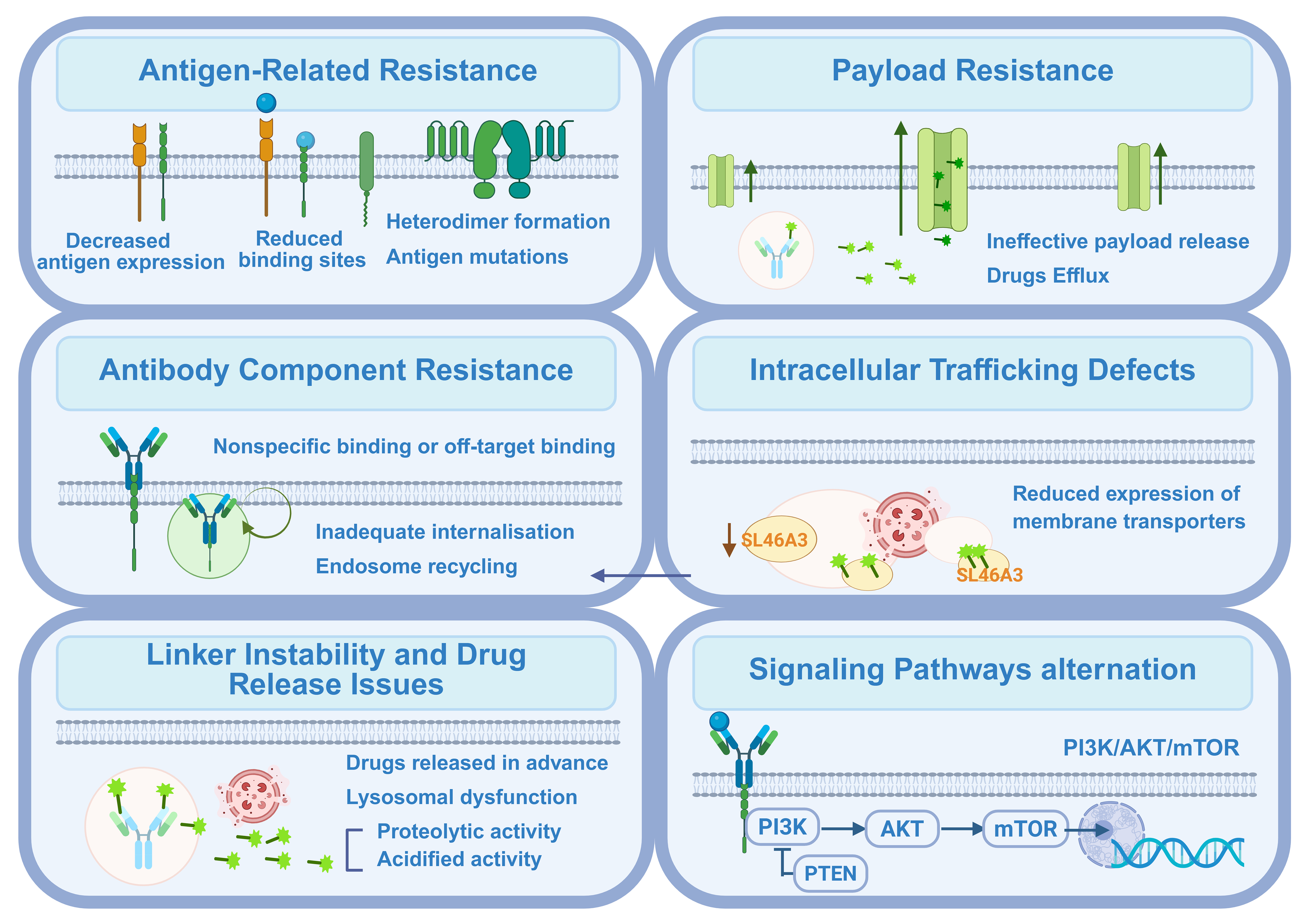
Resistance to ADCs arises through multiple mechanisms that impair their efficacy at various stages. (Hao Y, Song Z. Cancer Drug Resist. 2025)
Biocytogen offers complementary in vivo tumor models to support ADC evaluation, from initial efficacy assessment through resistance studies:
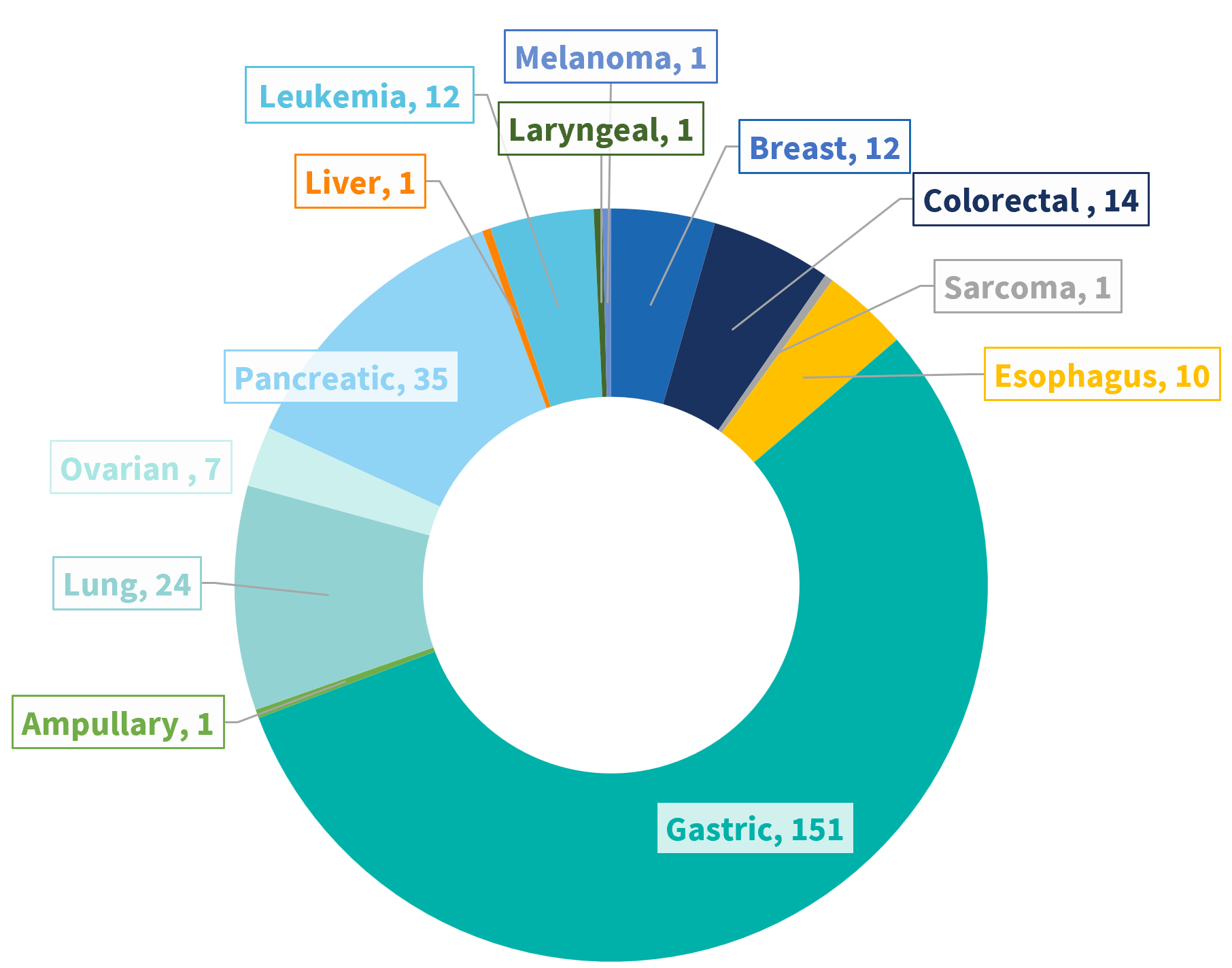
Biocytogen's 270 PDX Models across 13 Cancer Types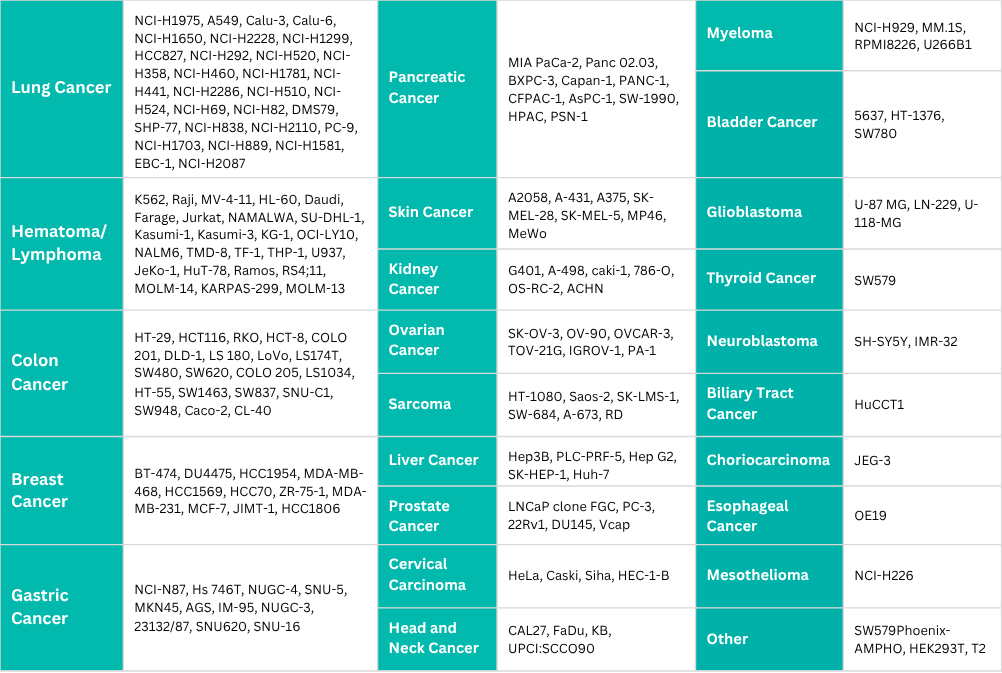
Biocytogen's CDX Model List
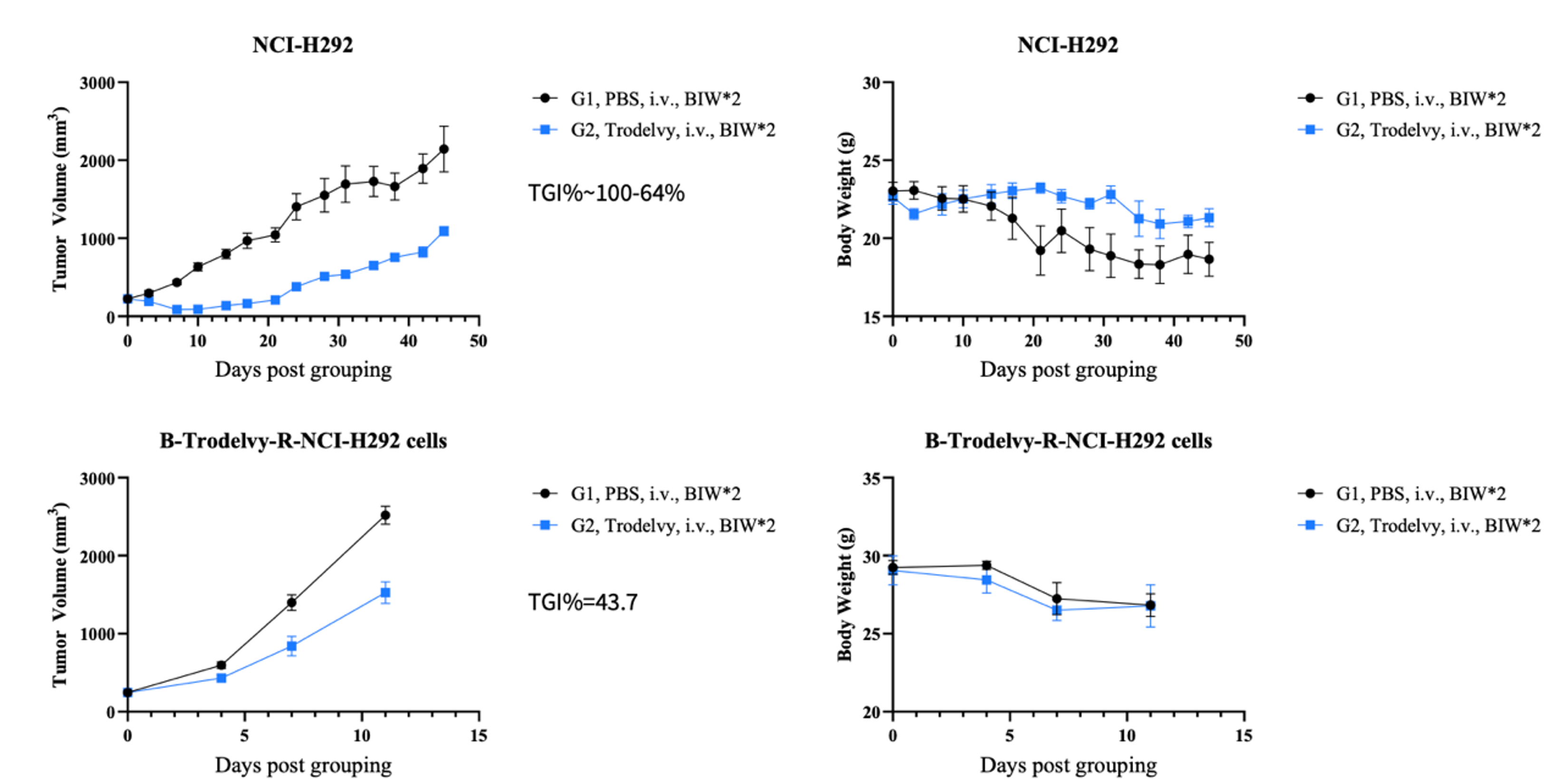
The Trodelvy-resistant CDX model was developed through repeated exposure to Trodelvy (TROP2 ADC), to select for tumors with reduced drug sensitivity. The resistant tumors can then be compared with their parental counterparts to assess changes in treatment response and establish an in vivo model of acquired ADC resistance.
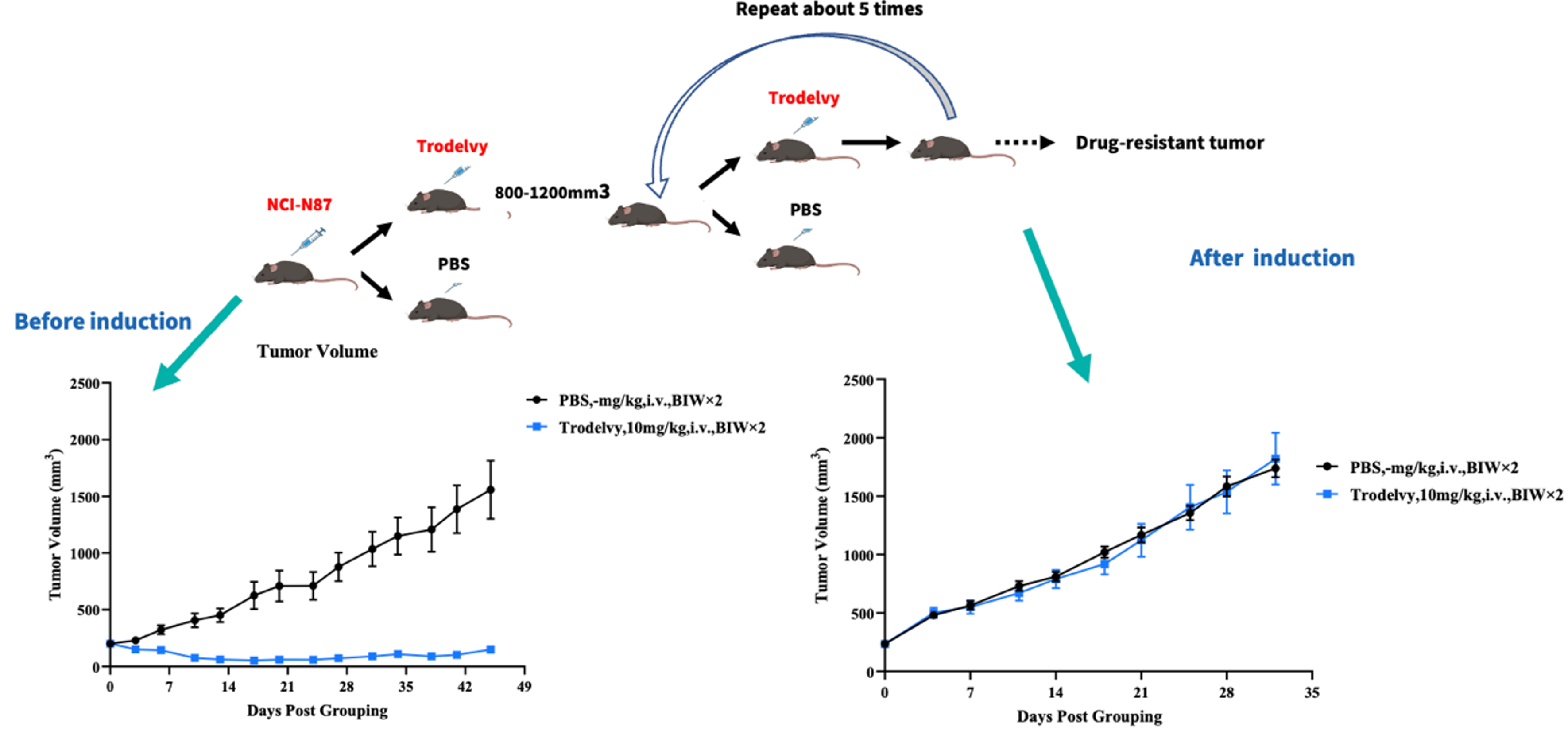
B-NDG Mice Reveal Markedly Reduced Trodelvy Sensitivity After Resistance Induction. NCI-N87 tumors were repeatedly exposed to Trodelvy and serially passaged in B-NDG mice to progressively select for reduced drug sensitivity. After approximately five treatment cycles, TGI decreased from 104.1% before induction to −5.5% after induction, demonstrating successful establishment of a treatment pressure-induced resistant tumor model for subsequent resistance studies and evaluation of resistance-overcoming strategies.
|
|
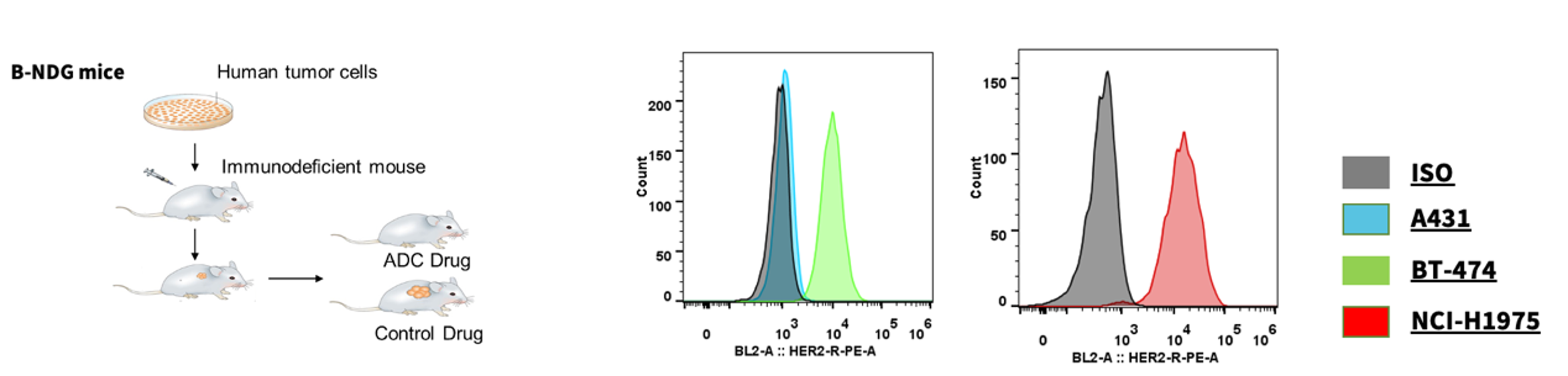
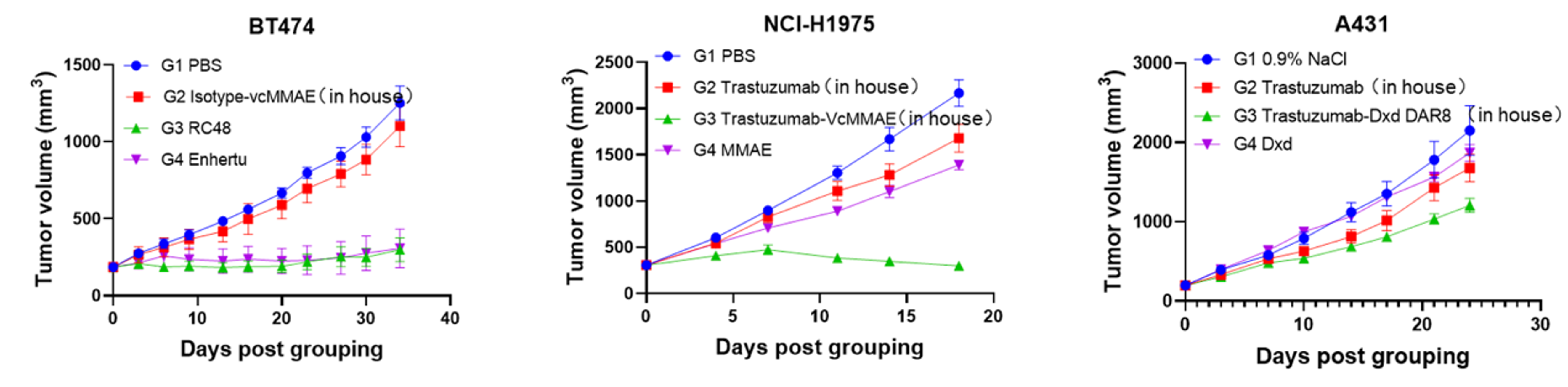
B-NDG Mice Enable ADC Evaluation Across HER2 Expression Profiles. CDX models established with A431, BT-474, and NCI-H1975 cells demonstrated distinct ADC responses across different HER2-expression and tumor backgrounds, supporting model selection for in vivo efficacy evaluation.
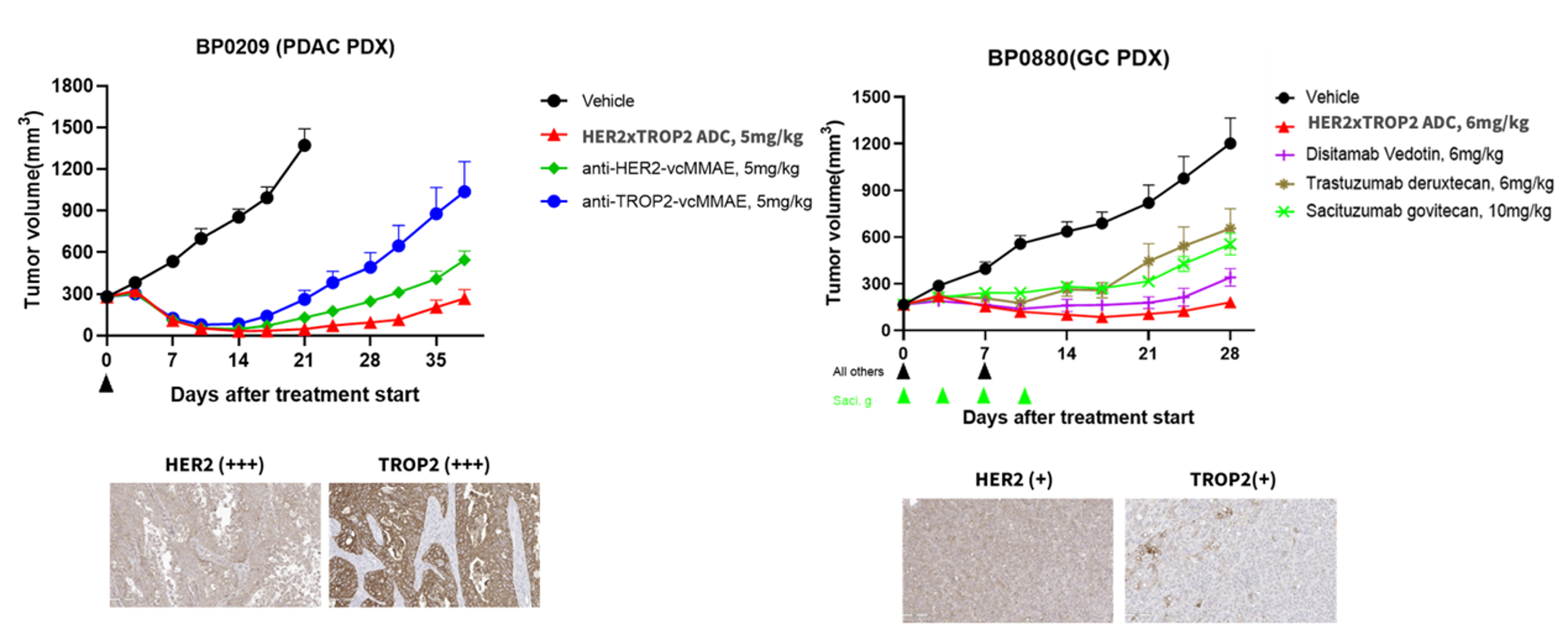
PDX Models for Bispecific ADC Evaluation Across HER2/TROP2 Expression Levels in B-NDG Mice. A HER2×TROP2 bispecific ADC showed clear antitumor activity in PDX models with different HER2 and TROP2 expression, supporting in vivo evaluation across heterogeneous dual-target tumor backgrounds.
|
As ADC development expands into new targets, bispecific formats and more complex treatment settings, preclinical evaluation must go beyond initial tumor response to address tumor heterogeneity, treatment durability, and acquired resistance.
Biocytogen offers a comprehensive portfolio of CDX, PDX, ADC-resistant and orthotopic tumor models, complemented by PK/PD capabilities, to support ADC development from early efficacy assessment through resistance evaluation and therapeutic optimization.
PDX and CDX models with characterized dual-target expression profiles can support bispecific ADC evaluation. These models help assess antitumor activity across different antigen-expression levels and tumor backgrounds. For example, Biocytogen evaluated a HER2×TROP2 bispecific ADC in PDX models with varying HER2 and TROP2 expression profiles.
ADC model selection depends on target antigen expression, tumor type, molecular background, and treatment sensitivity. CDX models support efficacy screening across defined tumor cell lines, while PDX models capture patient-derived tumor heterogeneity. Biocytogen helps researchers select appropriate models based on these characteristics and the specific objectives of their ADC programs.
ADC-resistant tumor models enable in vivo assessment of reduced drug sensitivity and evaluation of alternative treatment strategies. Comparing resistant tumors with their parental counterparts helps characterize changes in treatment response. Biocytogen offers a portfolio of ADC-resistant tumor models, including the Trodelvy-resistant NCI-H292 CDX model, to support acquired resistance studies and the evaluation of potential resistance-overcoming strategies.
Target antigen expression influences ADC binding, internalization, and payload delivery, making it an important factor in antitumor efficacy. However, expression alone does not determine treatment response, as intracellular trafficking, payload sensitivity, and other tumor characteristics also play a role. Biocytogen offers CDX and PDX models with varying target-expression profiles to help researchers evaluate ADC efficacy, identify responsive tumor contexts, and inform biomarker-guided development strategies.
Biocytogen offers an integrated portfolio of in vivo models and preclinical services to support ADC development. Immunodeficient B-NDG mice provide a foundation for CDX, PDX, orthotopic, and ADC-resistant tumor models to evaluate antitumor efficacy and acquired resistance. Target-humanized mice enable evaluation of ADCs requiring human target recognition, while complementary PK/PD capabilities support drug exposure and pharmacological assessments. Together, these capabilities help researchers select relevant models, characterize treatment responses, investigate resistance, and optimize ADC development strategies.
Mosele F, et al. The next generation of antibody–drug conjugates. Nature Medicine. 2026;32:2774–2785. DOI: 10.1038/s41591-026-04543-y.
Tsuchikama K, Anami Y, Ha SYY, Yamazaki CM. Exploring the next generation of antibody-drug conjugates. Nature Reviews Clinical Oncology. 2024;21(3):203–223. DOI: 10.1038/s41571-023-00850-2.
Mathiot L, et al. Exploring the Role of Target Expression in Treatment Efficacy of Antibody-Drug Conjugates (ADCs) in Solid Cancers: A Comprehensive Review. Current Treatment Options in Oncology. 2024;26(10):1236–1248. DOI: 10.1007/s11912-024-01576-9.
Lewis GD, et al. The HER2-directed antibody-drug conjugate DHES0815A in advanced and/or metastatic breast cancer: preclinical characterization and phase 1 trial results. Nature Communications. 2024;15:466. DOI: 10.1038/s41467-023-44533-z.
Liu Y, et al. Drug resistance to antibody-drug conjugates: mechanisms, challenges, and perspectives. Cancer Biology & Medicine. 2026;23(6):833–864. DOI: 10.20892/j.issn.2095-3941.2025.0707.
Prantl I, et al. ABCG2-mediated SN-38 efflux drives resistance to Sacituzumab govitecan in urothelial carcinoma. Cancer Letters. 2026;640:218254. DOI: 10.1016/j.canlet.2026.218254.